
When a hailstorm or high winds batter your Gilbert Town Square home, the immediate concern often shifts to the integrity of your roof. You might be surprised to discover that your homeowner’s insurance policy could be a valuable ally in the aftermath, but navigating the insurance claim process for roofing damage requires a methodical approach. This guide will walk you through the essential steps involved in filing a successful insurance claim for roofing issues in Gilbert Town Square, Arizona. The goal is to equip you with the knowledge to effectively communicate with your insurance provider and ensure your property is restored to its pre-damage condition.
Before you even consider picking up the phone to call your insurance company, it’s crucial to have a solid understanding of your homeowner’s insurance policy. This document, often overlooked until a crisis, is your contract with the insurer and outlines what is covered, what isn’t, and your responsibilities.
Decoding Your Policy’s Roofing Coverage
Your policy’s declaration page is your starting point. Look for sections that specifically address dwelling coverage, which typically includes the structure of your home, including the roof. Pay close attention to any “exclusions” or “limitations” related to roof damage. Common exclusions can include damage from wear and tear, poor maintenance, or certain types of natural disasters if specific endorsements aren’t in place.
What is “Named Peril” vs. “All-Risk” Coverage for Your Roof?
Understanding the type of coverage you have is fundamental. Most standard homeowner’s policies are “named peril,” meaning they only cover damage caused by specific events listed in the policy (e.g., windstorm, hail, fire, vandalism). If your policy is “all-risk,” it covers all perils except those specifically excluded. For roofing, hail and wind damage are very common concerns in Arizona, so ensure these are explicitly covered under your named peril policy.
Deductibles: What You’ll Pay Out of Pocket
Your deductible is the amount you’ll have to pay before your insurance coverage kicks in. It’s usually a fixed dollar amount or a percentage of your home’s insured value. Knowing your deductible is essential for setting realistic expectations about the financial outcome of your claim. A higher deductible may mean a lower premium, but it also means a larger out-of-pocket expense when you do have to file a claim.
Documenting the Initial Damage
Once you’ve identified that your roof has sustained damage, the next critical step is to document it thoroughly. This documentation will form the basis of your insurance claim.
When and How to Take Photographs and Videos
Immediately after noticing any potential damage, start documenting. Use a smartphone or camera to take clear, well-lit photographs and videos of the damage. Capture wide shots of the roof from different angles, and then zoom in on specific areas of concern, such as cracked shingles, dents, or missing sections. If possible and safe to do so, also document any interior damage, such as water stains on ceilings or walls, as this can be a direct result of roof leaks.
Identifying Signs of Roof Damage
Be observant for common indicators of roof damage. This includes:
- Missing or Damaged Shingles: Look for shingles that are curled, broken, missing entirely, or have granule loss.
- Dents on Metal Flashing or Gutters: Hail can leave visible dents on various metal components of your roof.
- Loose or Damaged Flashing: Flashing around chimneys, vents, and skylights is crucial for preventing leaks. Check if it’s loose, corroded, or damaged.
- Granule Loss in Gutters: The granules from asphalt shingles can wash down into your gutters, indicating wear and potential leaks.
- Water Stains or Leaks Indoors: Any signs of water intrusion inside your home, especially on the top floor, are a strong indication of roof damage.
If you’re looking for insights on navigating insurance claims for roofing in Gilbert Town Square, Arizona, you might find it helpful to explore related topics in other regions. For instance, an informative article about roofing contractors in Winston-Salem, North Carolina, can provide valuable perspectives on the insurance claim process and contractor selection. You can read more about it here: Roofing Contractors in Winston-Salem, North Carolina.
Contacting Your Insurance Company and Filing the Claim
With documentation in hand, it’s time to initiate the insurance claim process. This involves formally notifying your insurer of the damage and providing them with the information they need to proceed.
Notifying Your Insurer Promptly
Most insurance policies have a timeframe within which you must report a claim. It’s generally advisable to report the damage as soon as you become aware of it. Delaying can sometimes complicate the claims process and, in some cases, might even jeopardiZe your coverage if the insurer deems the delay unreasonable.
How to File a Claim: Phone, Online Portal, or Agent
Your insurance company will have established procedures for filing a claim. This can typically be done by:
- Calling a dedicated claims hotline: This is often the most direct way to initiate the process.
- Using an online claims portal: Many insurers offer digital platforms for filing and tracking claims.
- Contacting your insurance agent: Your agent can guide you through the process and act as an intermediary.
What Information Will You Need to Provide?
When you file your claim, be prepared to provide:
- Your policy number.
- Your contact information.
- The date and time of the incident (if known).
- A brief description of the damage.
- Any initial documentation you have gathered (photos, videos).
- The contact information for any contractors you may have already consulted (even if just for an initial assessment).
The Role of the Insurance Adjuster
Once your claim is filed, the insurance company will assign an adjuster to assess the damage. This is a crucial part of the process, and understanding their role will help you manage your expectations.
What Does an Insurance Adjuster Do?
The adjuster’s job is to:
- Visit your property to inspect the damage.
- Evaluate the extent of the damage and determine if it’s covered by your policy.
- Estimate the cost of repairs or replacement.
- Review your policy details and deductible.
- Make a recommendation to the insurance company regarding the claim settlement.
Preparing for Your Adjuster’s Visit
Be present during the adjuster’s inspection if possible. Walk them through the damage, pointing out everything you’ve documented. Have your photos, videos, and any notes readily available. If you’ve already obtained an estimate from a reputable roofing contractor, share it with the adjuster. However, be aware that the adjuster’s estimate is what your insurance company will primarily rely on.
Understanding Your First Estimate
The adjuster will present you with an estimate of the repair costs. This is commonly referred to as the “initial estimate” or “settlement offer.” It’s important to review this document carefully.
Reviewing the Adjuster’s Scope of Work and Costs
The estimate should detail the proposed repairs and the associated costs. Look for:
- Line items for materials: Are the proposed materials appropriate for your roof and location?
- Labor costs: Do the estimated labor hours seem reasonable?
- Scope of work: Does the estimate accurately reflect the damage you’ve observed and documented?
When the Adjuster’s Estimate Seems Low
It’s not uncommon for the initial estimate from the adjuster to be lower than what you believe is necessary for a full and proper repair. This is where having your own documentation and potentially a contractor’s estimate becomes invaluable.
Working with Roofing Contractors in Gilbert Town Square
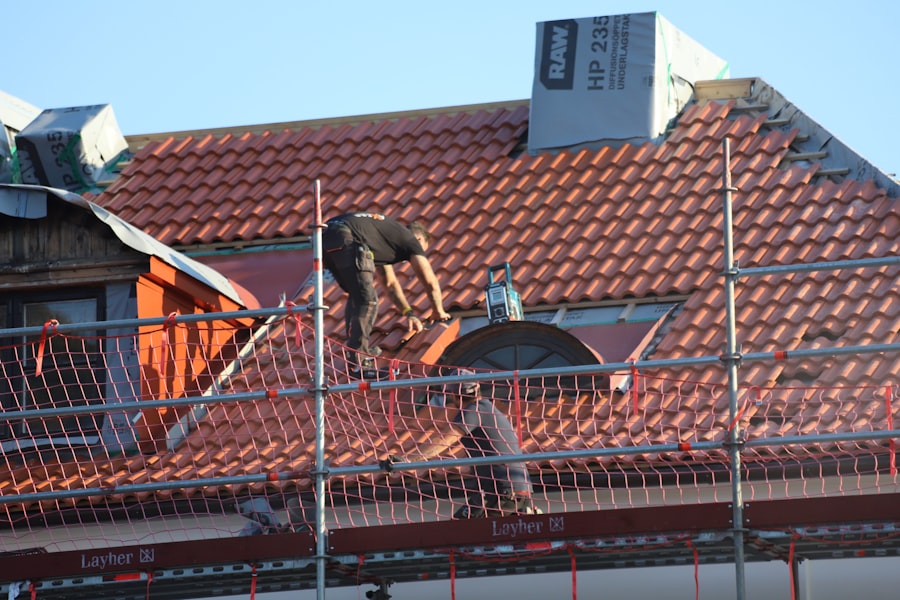
Choosing the right roofing contractor is paramount to ensuring your roof is repaired correctly and that you receive a fair settlement from your insurance company. In Gilbert Town Square, a community with specific building codes and climate considerations, selecting a local, experienced professional is highly recommended.
Finding Reputable Roofing Companies
The process of finding a trustworthy roofing contractor should involve research and due diligence.
How to Vet Roofing Contractors
When seeking out roofers, consider the following:
- Local Experience: Does the contractor have a proven track record of working in Gilbert Town Square and understanding local building regulations?
- Licensing and Insurance: Ensure the contractor is properly licensed by the state and carries adequate general liability and worker’s compensation insurance. Ask for proof of these.
- Reviews and Testimonials: Look for online reviews on platforms like Google, Yelp, and the Better Business Bureau. Ask for references from past clients.
- Credentials and Certifications: Some manufacturers offer certifications for their installers, indicating a high level of training and quality.
Avoiding Storm Chasers and Unscrupulous Contractors
Be wary of contractors who:
- Solicit door-to-door immediately after a storm: While some are legitimate, many “storm chasers” are transient and may not have your best interests in mind.
- Pressure you into signing a contract immediately: Legitimate contractors will allow you time to consider their proposals and compare them with others.
- Ask for a large upfront payment: A reasonable deposit is expected, but paying the entire amount upfront is a red flag.
- Offer deals that seem too good to be true: This often indicates cut corners in materials or labor.
Obtaining Multiple Bids and Estimates
Once you’ve identified a few potential contractors, it’s wise to obtain multiple bids for the repair work. This will give you a clearer picture of the fair market value for the services needed.
What to Look For in a Contractor’s Estimate
A detailed estimate from a contractor should include:
- A clear scope of work: Exactly what repairs will be performed.
- Itemized list of materials: Type, brand, and quantity of shingles, underlayment, flashing, etc.
- Labor breakdown: Cost of installation, cleanup, and disposal.
- Warranty information: Details on the contractor’s workmanship warranty and any manufacturer warranties.
- Payment schedule: When payments are due.
Communicating Your Needs and Concerns to Contractors
Be explicit about the damage you’ve observed and what you expect from the repair. Ask questions about their proposed methods and materials. If you have any doubts or concerns, address them directly with the contractor.
The Role of the Supplement and Change Orders
If your insurance adjuster’s estimate is insufficient, and your contractor’s bid is higher, discussions around a “supplement” will likely arise.
What is a Claim Supplement?
A supplement is essentially an amendment to the original insurance estimate. It’s a request for additional funds to cover work or materials that were not included in the adjuster’s initial assessment.
How to Work with Your Contractor on a Supplement
Your contractor will typically be responsible for identifying what’s missing from the adjuster’s estimate and quantifying the additional costs. They will then submit a detailed supplément request to the insurance company, often with supporting documentation justifying the added expenses. This could include photos, specific material costs, or manufacturer specifications.
Understanding Change Orders During the Repair Process
A change order is a written amendment to an existing contract that modifies the scope of work, materials, or price. These can arise during the repair process if unforeseen issues are discovered.
Negotiating with Your Insurance Company
Negotiation is often a necessary part of the insurance claims process, especially when the initial offer doesn’t align with the cost of repairs.
Providing Documentation for Negotiations
Your insurance claim is built on evidence. The more comprehensive your documentation—photos, videos, contractor estimates, contractor supplement requests—the stronger your position in negotiations will be.
When to Involve Public Adjusters or Attorneys
If you’re struggling to reach a fair settlement with your insurance company, or if the damage is extensive and complex, you may consider hiring additional professional help.
What is a Public Adjuster?
A public adjuster is an advocate for the policyholder, working on your behalf to assess the damage and negotiate with the insurance company. They are independent of the insurance company.
When to Consult a Legal Professional
In very complex or contentious claims, or if you believe the insurance company is acting in bad faith, consulting a lawyer specializing in insurance disputes may be the next step. They can advise you on your rights and options.
The Repair Process and Finalizing Your Claim
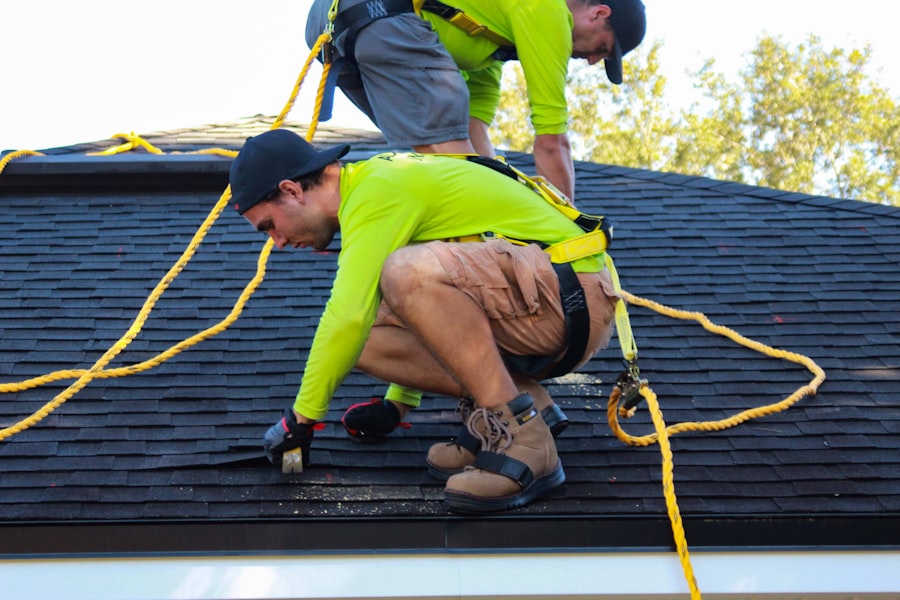
Once an agreement is reached on the scope and cost of repairs, the actual work can begin. This phase requires careful oversight to ensure the job is done correctly and that your claim is fully resolved.
The Roofing Repair or Replacement Work
The contractor will proceed with the agreed-upon repairs. This is a good time to stay involved and communicate any questions or concerns.
Ensuring Quality Workmanship
Continuously communicate with your contractor throughout the repair process. Ask about progress, materials used, and any challenges encountered.
Addressing Unforeseen Issues During Repair
It’s not uncommon for contractors to uncover additional damage once they begin dismantling the old roof. If this happens, the contractor should document these new findings, and a change order or supplement will be necessary to address them with your insurance company.
Finalizing the Claim: Settlement and Payment
The final stage of the insurance claim involves receiving the final settlement and ensuring all payments are correctly disbursed.
Receiving the Final Settlement Check
Once the work is completed and all parties are satisfied, the insurance company will issue the final settlement payment. This often includes the remaining amount after your deductible has been effectively applied.
What to Do with the Settlement Funds
The settlement funds are intended to cover the cost of repairs. Ensure the funds are used for this purpose. You will typically pay your contractor the agreed-upon amount, and the insurance company will have already factored in your deductible, which you will pay directly to the contractor.
Understanding Depreciation and ACV vs. RCV
Many insurance policies distinguish between Actual Cash Value (ACV) and Replacement Cost Value (RCV).
- ACV: This is the cost to replace your damaged property with new property of like kind and quality, minus depreciation. Depreciation accounts for the age and wear and tear of the original item.
- RCV: This is the cost to repair or replace your damaged property with new property of like kind and quality, at current market prices, without any deduction for depreciation.
Your initial settlement might be based on ACV, with a separate payment for the depreciated amount (the RCV minus ACV) issued after you’ve proven that the repairs have been completed or the property has been replaced. This is often referred to as the “depreciation holdback.”
Post-Repair Inspections and Warranties
After the work is finished, there are a few final considerations to ensure your long-term satisfaction and security.
Inspecting the Completed Work
Thoroughly inspect the completed roof. Ensure all work is done according to the agreed-upon scope and that there are no cosmetic issues or signs of poor workmanship.
Understanding Your Contractor’s Warranty
Your contractor should provide a warranty for their workmanship. Familiarize yourself with the terms and conditions of this warranty, including what it covers and for how long.
Keeping All Repair Records
Keep all documentation related to the claim and repairs, including:
- Your insurance policy.
- All communication with your insurance company and adjuster.
- All estimates and bids from roofing contractors.
- The signed contract with your chosen contractor.
- Invoices and proof of payment.
- Warranty information.
This information will be invaluable if any issues arise in the future.
When dealing with insurance claims for roofing in Gilbert Town Square, Arizona, it’s essential to understand the intricacies of roof selection and its impact on your claim. A well-informed choice can not only enhance your home’s value but also streamline the claims process with your insurance provider. For more insights on making the right decision for your roofing needs, you can read this informative article on choosing the right roof for your home. This resource can help you navigate the complexities of roofing options and their implications for insurance claims.
Proactive Roof Maintenance for Gilbert Town Square Homes
| Insurance Claim Roofing Gilbert Town Square Arizona | |
|---|---|
| Location | Gilbert Town Square, Arizona |
| Insurance Claim Type | Roofing |
| Claim Status | Pending |
| Claim Date | October 15, 2021 |
While this guide focuses on the claims process, it’s essential to acknowledge that proactive maintenance can prevent many issues and potentially strengthen your position in the event of a claim.
Regular Roof Inspections and Maintenance
Even without storm damage, your roof undergoes constant environmental stress. Regular inspections and maintenance are key to its longevity.
What to Look for During DIY Inspections
Periodically walk around your property and look for obvious signs of wear and tear. This includes:
- Sagging areas of the roof.
- Granule loss in gutters.
- Moss or mildew growth.
- Damaged or missing shingles.
- Debris accumulation, especially around drainage areas.
Benefits of Professional Roof Tune-Ups
A professional roofer can identify issues that may not be apparent to the untrained eye. They can also perform necessary maintenance tasks, such as:
- Cleaning gutters and downspouts.
- Sealing minor cracks or gaps.
- Inspecting and repairing flashing.
- Addressing any early signs of deterioration.
Understanding the Impact of Gilbert’s Climate on Your Roof
Arizona’s climate presents unique challenges for roofing materials. The intense sun, high temperatures, and occasional monsoons can all take a toll.
UV Rays and Heat Damage
Prolonged exposure to intense sunlight and high temperatures can degrade asphalt shingles, making them brittle and prone to cracking. Metal roofs can also expand and contract significantly, potentially leading to fastener issues or leaks over time.
Monsoon Season and Intense Rain
While infrequent, monsoon storms can bring torrential rain, high winds, and dust. These conditions can exacerbate existing roof weaknesses and cause new damage, particularly to ventilation systems and drainage components.
When is it Time to Consider a Full Roof Replacement?
Even with diligent maintenance, roofs have a finite lifespan. Knowing when it’s time for a full replacement is crucial for preventing more extensive and costly damage.
Signs Your Roof Needs Replacement
General indicators that your roof is nearing the end of its lifespan include:
- Age: Most asphalt shingle roofs have a lifespan of 15-30 years, depending on the material and climate.
- Constant Leaks: If you’re experiencing recurring leaks despite repairs, the underlying structure may be compromised.
- Extensive Granule Loss: A significant amount of shingle granules in your gutters suggests the shingles are no longer providing adequate protection.
- Curling or Cupping Shingles: This indicates the shingles are deteriorating and losing their ability to shed water effectively.
- Visible Sagging: This is a serious sign that the roof deck is compromised and requires immediate attention.
By understanding the insurance claims process, working diligently with qualified professionals, and practicing proactive maintenance, you can navigate roofing issues in Gilbert Town Square with greater confidence and ensure your home remains a secure and comfortable place.
FAQs
What is an insurance claim for roofing in Gilbert Town Square, Arizona?
An insurance claim for roofing in Gilbert Town Square, Arizona is a request made to an insurance company for coverage or compensation for damages to a roof caused by a covered peril, such as a storm, hail, or wind.
What are the common reasons for filing an insurance claim for roofing in Gilbert Town Square, Arizona?
Common reasons for filing an insurance claim for roofing in Gilbert Town Square, Arizona include damage from severe weather, such as hail, wind, or monsoons, as well as damage from fallen trees or debris.
How do I file an insurance claim for roofing in Gilbert Town Square, Arizona?
To file an insurance claim for roofing in Gilbert Town Square, Arizona, you should contact your insurance company as soon as possible after the damage occurs. You will need to provide details about the damage, such as the date it occurred and any relevant photos or documentation.
What should I expect during the insurance claim process for roofing in Gilbert Town Square, Arizona?
During the insurance claim process for roofing in Gilbert Town Square, Arizona, an adjuster from the insurance company will likely visit your property to assess the damage. They will then determine the coverage and compensation you are eligible to receive based on the terms of your policy.
Do I need to hire a roofing contractor for an insurance claim for roofing in Gilbert Town Square, Arizona?
It is recommended to hire a reputable roofing contractor experienced in working with insurance claims for roofing in Gilbert Town Square, Arizona. They can help assess the damage, provide an estimate for repairs or replacement, and work with the insurance company to ensure you receive fair compensation.