
You’re a homeowner in Allen, Texas, and the unpredictable North Texas weather has taken its toll on your roof. Whether it’s a recent hailstorm, a persistent leak you’ve been putting off addressing, or simply the natural aging process, the thought of a roofing project can feel daunting. You understand that a roof isn’t just a cover; it’s a critical component of your home’s structural integrity, a shield against the elements, and a significant investment. When it comes to entrusting this vital task to a professional, the terms “licensed” and “insured” are often at the forefront of your mind. They represent a baseline of security and competence that you rightfully expect from anyone working on your property.
This guide aims to demystify what it means to hire licensed and insured roofers in Allen, Texas, and why these qualifications are not mere buzzwords, but essential safeguards for your peace of mind and financial protection. We’ll explore the practical implications, the potential pitfalls of overlooking these credentials, and how to confidently identify roofing contractors who meet these essential standards in your local community.
When you’re considering any significant home repair or renovation, particularly one as complex and impactful as roofing, the credentials of the professionals you engage are paramount. For roofers in Allen, Texas, the terms “licensed” and “insured” are not interchangeable and each signifies distinct yet equally important aspects of their operational legitimacy and your protection.
What Does it Mean to be a Licensed Roofer?
Licensing for roofers, in the context of Texas, generally refers to meeting the requirements set forth by the state, often through a contractor’s license, and sometimes through local or municipal permits and certifications. While Texas does not have a statewide licensing requirement specifically for all roofing contractors, many cities and counties do have their own regulations. Furthermore, many reputable roofers choose to obtain certifications that demonstrate their adherence to industry standards and best practices, even if a universal state license isn’t mandatory.
State and Local Regulations
- The absence of a universal statewide roofing contractor license in Texas means that you, as the homeowner, bear a greater responsibility for due diligence. Local municipalities, however, may have their own requirements for contractors performing work within their jurisdiction. This can include obtaining local business licenses, permits for specific projects, and sometimes even passing exams or demonstrating a certain level of experience. You should inquire about any local regulations within Allen that might apply to roofing contractors.
Industry Certifications and Professional Affiliations
- Beyond legal mandates, many roofing companies actively pursue professional certifications from reputable industry organizations. These certifications, such as those offered by the National Roofing Contractors Association (NRCA) or specific material manufacturers (e.g., GAF Certified Roofer, CertainTeed Select ShingleMaster™), indicate a commitment to ongoing training, adherence to quality standards, and a demonstrated level of expertise. These aren’t legally required but are strong indicators of a professional’s dedication to their craft and client satisfaction.
The Crucial Role of Insurance
If licensing addresses a roofer’s qualification and adherence to industry standards, insurance directly addresses your financial protection. A roofer who is properly insured will have two primary types of coverage that are vital for your protection: general liability insurance and workers’ compensation insurance.
General Liability Insurance: Protecting Your Property
- General liability insurance is designed to protect you, the homeowner, from financial responsibility if the roofing contractor or their employees cause accidental damage to your property during the course of their work. This could include anything from a stray tool damaging your fence to materials falling and breaking a window. Without adequate general liability coverage, you could find yourself footing the bill for damages caused by the very people you hired to fix your home. You should always ask for proof of this insurance and verify its current status.
Workers’ Compensation Insurance: Shielding You from Liability
- Workers’ compensation insurance is arguably even more critical. It covers medical expenses and lost wages for the roofer’s employees if they are injured on the job. If a roofer is not insured for workers’ compensation and one of their workers gets hurt on your property, you, as the homeowner, could be held legally and financially responsible for their medical bills and any related costs. This can lead to significant and unexpected expenses. Verifying that the roofing company carries this coverage is non-negotiable.
When considering the importance of hiring licensed and insured roofers in Allen, Texas, it’s essential to understand the nuances of roof maintenance and repair. A related article that provides valuable insights on this topic is available at Flat Roof Maintenance and Repair. This resource offers practical tips and guidelines that can help homeowners ensure their roofs remain in optimal condition, ultimately emphasizing the need for professional services from qualified contractors.
Why Choosing Licensed and Insured Roofers Matters in Allen
The decision to hire a roofing contractor who is both licensed and insured is not simply about ticking boxes; it is about making an informed choice that safeguards your investment, your property, and your financial well-being. In a region like Allen, Texas, where weather can be harsh and a sound roof is essential, cutting corners on contractor credentials can lead to significant problems down the line.
Protecting Your Financial Investment
- Your roof represents a substantial portion of your home’s value and your overall investment. When you hire a licensed and insured roofer, you are taking a significant step to protect that investment. A licensed contractor is generally more likely to perform the work correctly, adhering to building codes and best practices, which contributes to the longevity and structural integrity of your roof. The specialized knowledge and experience that often accompany licensing mean a higher quality installation and fewer potential issues that could devalue your home.
Avoiding Costly Repairs Due to Improper Workmanship
- Substandard roofing work can manifest as early leaks, premature material failure, poor flashing installation, or inadequate ventilation. These problems rarely fix themselves and often lead to more extensive and expensive repairs in the future, potentially affecting your home’s interior, insulation, and even its foundation. Licensed roofers, by virtue of their training and adherence to standards, are less likely to commit the kinds of errors that result in these costly follow-up issues.
Ensuring Compliance with Building Codes and Permits
- Building codes are in place to ensure the safety and structural integrity of your home. Licensed roofers are typically knowledgeable about and compliant with local building codes in Allen. This can involve obtaining the necessary permits for roofing work, which also ensures that the project has been reviewed and approved by the local authorities. When work is done without proper permits or in violation of codes, it can lead to significant issues during future home sales or even necessitate costly remediation to bring the property into compliance.
Mitigating Risks and Liabilities
- The potential liabilities associated with hiring an unlicensed or uninsured roofer can be substantial and far-reaching. Beyond the direct cost of repairs from faulty work, you could also face legal battles and unforeseen expenses related to accidents.
Preventing Liability for On-Site Injuries
- As previously emphasized, workers’ compensation insurance is a critical shield. If an uninsured roofer’s employee sustains an injury while working on your property, you could be legally compelled to cover their medical bills, lost wages, and potentially even their rehabilitation costs. This can amount to tens of thousands of dollars. A licensed and insured roofing company will have this coverage, transferring that risk away from you.
Protecting Your Home from Accidental Damage
- General liability insurance is your protection against the accidental damage that can occur during a roofing project. Items can fall, scaffolding can shift, or materials can be mishandled. If the contractor lacks adequate liability coverage, you could be responsible for the cost of repairing your home’s exterior, landscaping, or even interior damage caused by their operations.
Safeguarding Against Contractor Default or Negligence
- A licensed and insured contractor is generally more likely to be a stable, established business. This reduces the risk of them disappearing mid-project or before rectifying faulty work. While insurance doesn’t directly prevent contractor default, the business practices associated with maintaining proper licensing and insurance often indicate a more professional and reliable operation.
Identifying Licensed and Insured Roofers in Allen, Texas
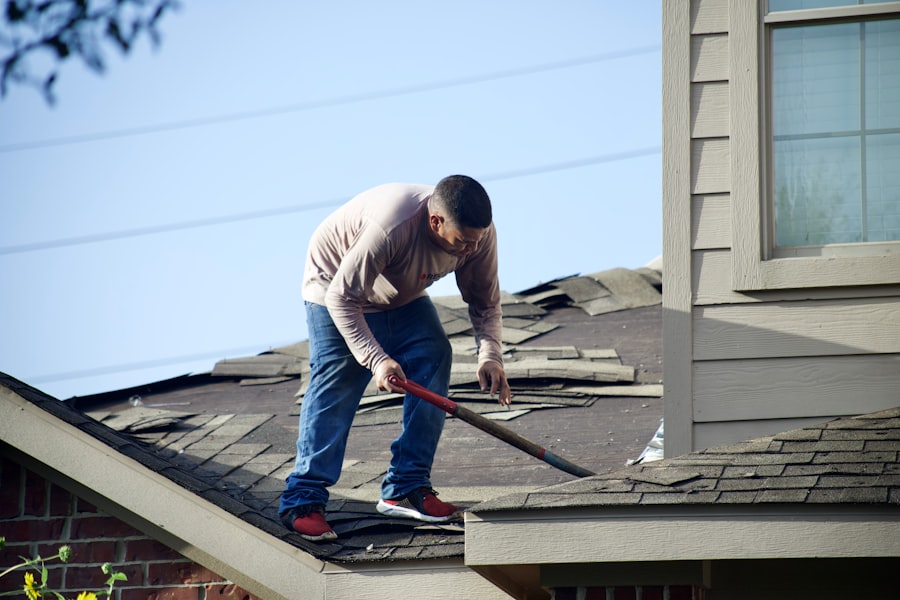
Navigating the process of finding a reputable roofer in Allen requires a proactive approach. The terms “licensed” and “insured” are starting points, but thorough verification is essential.
How to Verify a Roofer’s License Status
- When a roofer states they are licensed, it’s your responsibility to confirm this. As mentioned, Texas doesn’t have a universal statewide roofing license. However, you can inquire about any relevant local licenses or permits they hold in Allen or the surrounding areas. Furthermore, many professional organizations offer verifiable certification programs. Don’t hesitate to ask for their license numbers and then independently verify them through the relevant state or local licensing boards. You can also check with the Better Business Bureau (BBB) to see if there are any complaints or red flags associated with their business.
Requesting Proof of Insurance and Verifying Coverage
- Never simply take a roofer’s word for it when they claim to be insured. You must request copies of their insurance certificates. For general liability insurance, look for the policy number, coverage limits, and expiration date. For workers’ compensation, ensure the policy is active and covers all their employees.
What to Look for on an Insurance Certificate
- Policy Holder: The name on the certificate should match the name of the roofing company you are considering.
- Coverage Type: Ensure both General Liability and Workers’ Compensation are listed.
- Coverage Limits: For general liability, you’ll typically want to see limits of at least \$1 million per occurrence and \$2 million aggregate. For workers’ compensation, the limits vary, but the policy should be active and compliant with Texas law.
- Effective and Expiration Dates: Verify that the policy is current and will remain in effect for the duration of your project.
- Issuing Insurance Company: Note the name of the insurance provider, which can be a step in verifying the policy’s validity.
Steps for Verifying Insurance
- Once you have the certificate, it’s wise to contact the insurance company directly to confirm the policy is active and in good standing. Do not rely solely on the information provided on the certificate itself, as these documents can sometimes be outdated or falsified. The insurance agent’s contact information should be on the certificate.
Checking Reviews and References
- Beyond credentials, understanding a roofer’s track record is crucial. Online reviews, testimonials, and references from past clients can provide valuable insights into their professionalism, quality of work, and customer service.
Navigating Online Reviews
- Look for reviews on platforms like Google, Yelp, and the Better Business Bureau. Be discerning; a few negative reviews are not always a dealbreaker, but a pattern of consistent complaints about quality, communication, or timeliness should raise concerns. Pay attention to how the company responds to negative feedback, as this can reveal their commitment to customer satisfaction.
The Value of Client References
- Always ask for a list of recent clients in the Allen area whom you can contact directly. When speaking with references, ask specific questions about their experience, including:
- Was the project completed on time and within budget?
- How was the communication throughout the process?
- Was the work completed to your satisfaction?
- Were there any unexpected issues, and how were they handled?
- Would you hire them again?
The Process of Hiring Licensed and Insured Roofers
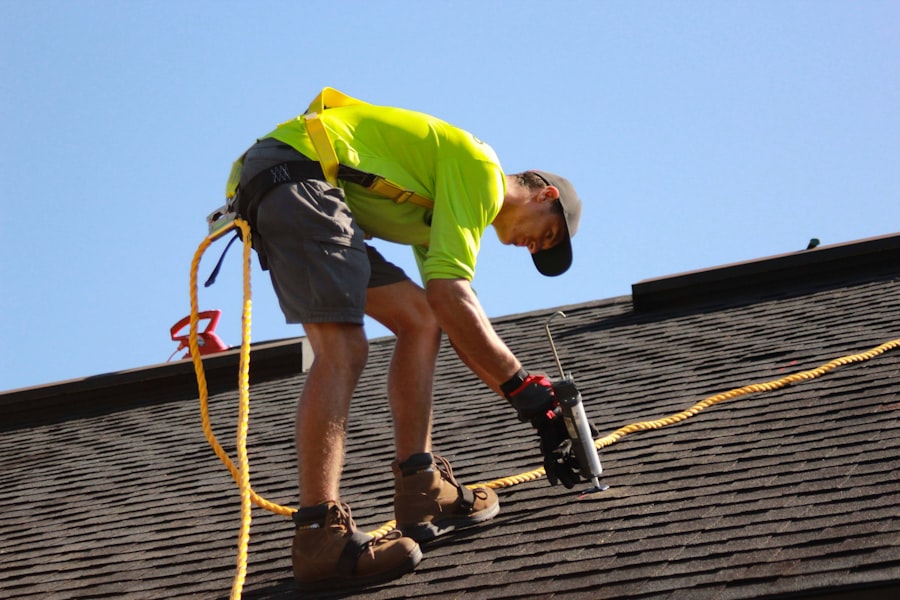
Once you’ve identified potential candidates, the next step is to engage them in a professional manner to ensure clarity and mutual understanding. This involves clear communication, detailed proposals, and a thorough contract.
Obtaining Multiple Detailed Proposals
- It is advisable to obtain at least three detailed proposals from different licensed and insured roofing companies. This allows you to compare not only pricing but also the scope of work, materials proposed, timelines, and warranty offerings.
What Should a Proposal Include?
- A comprehensive proposal should clearly outline:
- Scope of Work: A detailed description of all tasks to be performed (e.g., tear-off of old roofing, inspection of decking, installation of underlayment, type of shingles, flashing details, ventilation, cleanup).
- Materials: Specific brands, types, and colors of roofing materials to be used, including underlayment, drip edge, vents, and fasteners.
- Warranty Information: Details of both the manufacturer’s material warranty and the contractor’s workmanship warranty.
- Project Timeline: An estimated start date and completion date.
- Payment Schedule: The terms of payment, including any deposit required, progress payments, and final payment.
- Insurance and Licensing Information: Confirmation of their license and insurance status.
- Cleanup and Debris Removal: A clear statement about how and when debris will be removed from your property.
Understanding Roof Warranties
- Warranties are a critical component of any roofing project, offering assurance against defects in both materials and workmanship. A licensed and insured roofer will be able to clearly explain these.
Manufacturer Warranties
- These warranties cover the roofing materials themselves (shingles, underlayment, etc.) against manufacturing defects. They vary in length and coverage, with some offering “lifetime” warranties for certain products. Understand what constitutes a covered defect and what might void the warranty (e.g., improper installation).
Workmanship Warranties
- This is the warranty provided by the roofing contractor, covering the quality of their installation. A reputable contractor will offer a workmanship warranty that is at least 5-10 years, and sometimes longer. This protects you if issues arise due to installation errors.
Reviewing and Signing a Contract
- Once you’ve chosen a roofer, ensure all agreed-upon terms are documented in a legally binding contract. Do not proceed with work based solely on a verbal agreement or an unsigned proposal.
Key Contractual Elements to Scrutinize
- Complete Scope of Work: Ensure the contract accurately reflects everything discussed and agreed upon in the proposal.
- Payment Terms: Clearly defined payment schedule and what constitutes final payment.
- Change Order Process: How any deviations from the original contract will be handled and documented, including any additional costs.
- Indemnification Clause: While somewhat technical, this clause can outline responsibilities in case of unforeseen circumstances.
- Dispute Resolution: How disagreements will be resolved.
- Cancellation Clause: Terms under which either party can cancel the contract.
- Lien Waivers: These protect you from potential liens if the contractor fails to pay their subcontractors or suppliers.
When searching for licensed and insured roofers in Allen, Texas, it’s essential to consider their qualifications and reputation. A well-informed choice can significantly impact the quality of your roofing project. For those interested in exploring similar services in different regions, you might find valuable insights in an article about roofing contractors in Atlanta, Georgia. This resource can help you understand what to look for when hiring professionals in the roofing industry. For more information, you can read the article here.
The Long-Term Benefits of Hiring Licensed and Insured Professionals
| Company Name | Number of Licensed Roofers | Insurance Coverage |
|---|---|---|
| ABC Roofing | 10 | Yes |
| XYZ Roofing | 8 | Yes |
| Allen Roofing Solutions | 15 | Yes |
Choosing licensed and insured roofers in Allen, Texas, isn’t just about mitigating immediate risks; it’s about investing in the long-term health and value of your home. This choice has implications that extend well beyond the completion of the roofing project itself.
Ensuring Longevity and Durability
- A properly installed roof, performed by licensed professionals who adhere to building codes and manufacturer specifications, is designed to last. This longevity translates into fewer unexpected expenses and a more consistently protected home throughout the years. The expertise of licensed roofers ensures that materials are installed correctly, flashing is properly integrated, and ventilation is adequate, all of which contribute to a durable and high-performing roof system.
Maintaining Home Value
- A well-maintained, professionally installed roof is a significant asset when it comes to your home’s resale value. Potential buyers are often deterred by roofs that are nearing the end of their lifespan or show signs of wear and tear, and they may negotiate hard on price or even walk away from a deal. Conversely, a newer roof installed by a reputable, licensed, and insured company can be a major selling point, reassuring buyers of the home’s structural integrity and reducing their immediate maintenance concerns.
The Impact on Resale and Appraisals
- During a home appraisal or sale, the condition of the roof is a major factor. A documented history of professional maintenance, evidenced by receipts and warranties from licensed contractors, can positively influence both appraisals and buyer offers. Problems with the roof, especially those resulting from subpar installation by unlicensed individuals, can lead to significant price reductions or even make a property difficult to sell.
Peace of Mind and Reduced Stress
- Perhaps one of the most significant, yet often overlooked, benefits is the peace of mind that comes with hiring qualified professionals. Knowing that your home is protected by a professionally installed roof, and that you are shielded from potential liabilities, allows you to relax and enjoy your home without the constant worry of impending roof-related issues. This reduced stress is a valuable, intangible benefit of making the right choice from the outset.
In conclusion, when you are seeking roofing services in Allen, Texas, prioritizing licensed and insured contractors is not an optional consideration, but a fundamental requirement. It is an investment in quality, safety, and the enduring value of your home. By conducting thorough due diligence, verifying credentials, and ensuring comprehensive coverage, you can confidently select a roofing professional who will provide a sound, reliable, and long-lasting solution for your property. Your home, and your peace of mind, deserve nothing less.
FAQs
What does it mean for a roofer to be licensed and insured in Allen, Texas?
Being licensed means that the roofer has met the requirements set by the state of Texas to legally operate as a roofing contractor. Being insured means that the roofer has liability insurance and workers’ compensation coverage, which protects both the homeowner and the workers in case of accidents or damages during the roofing project.
How can I verify if a roofer is licensed in Allen, Texas?
You can verify a roofer’s license by checking with the Texas Department of Licensing and Regulation (TDLR) or by asking the roofer for their license number and verifying it through the TDLR website or hotline.
What are the benefits of hiring a licensed and insured roofer in Allen, Texas?
Hiring a licensed and insured roofer provides homeowners with the assurance that the roofer is qualified and compliant with state regulations. It also protects homeowners from liability in case of accidents or damages during the roofing project.
What are the risks of hiring an unlicensed and uninsured roofer in Allen, Texas?
Hiring an unlicensed and uninsured roofer can put homeowners at risk of subpar workmanship, legal liabilities, and financial losses in case of accidents or damages during the roofing project. Additionally, unlicensed roofers may not be held to the same standards of quality and safety as licensed contractors.
What should I look for when hiring a roofer in Allen, Texas?
When hiring a roofer in Allen, Texas, it is important to verify their license and insurance, check their references and reviews, and ensure that they provide a written contract with detailed scope of work, pricing, and warranty information.