
In the ever-evolving world of construction and home improvement, advanced roofing materials have emerged as a game-changer. As you embark on the journey of upgrading or replacing your roof, understanding these materials can significantly influence your decision-making process. Advanced roofing materials are designed not only to enhance the aesthetic appeal of your home but also to improve its durability and energy efficiency.
With a plethora of options available, you may find yourself wondering which materials are best suited for your specific needs. The introduction of advanced roofing materials has revolutionized the way we think about roofs. Gone are the days when traditional asphalt shingles were the only option.
Today, you have access to a variety of innovative materials that offer superior performance and longevity. From synthetic options that mimic natural products to high-tech solutions that reflect sunlight, the choices are vast and varied. As you delve deeper into this topic, you will discover how these materials can transform your home while providing long-term benefits.
Key Takeaways
- Advanced roofing materials offer improved durability, energy efficiency, and aesthetic appeal compared to traditional roofing materials.
- The benefits of advanced roofing materials include increased property value, reduced energy costs, and longer lifespan.
- Types of advanced roofing materials include solar shingles, metal roofing, green roofs, and cool roofs, each with unique features and advantages.
- Advanced roofing materials have a positive environmental impact by reducing energy consumption, minimizing urban heat island effect, and promoting sustainable building practices.
- While advanced roofing materials may have a higher initial cost, they offer long-term savings through reduced maintenance and energy expenses.
Benefits of Advanced Roofing Materials
Weather Resistance and Peace of Mind
Unlike traditional roofing options, many advanced materials are engineered to withstand harsh weather conditions, including heavy rain, snow, and extreme temperatures. This resilience means that you can enjoy peace of mind knowing that your roof will protect your home for years to come.
Extended Warranties and Energy Efficiency
Additionally, many advanced materials come with extended warranties, further assuring you of their longevity. Energy efficiency is another significant advantage of advanced roofing materials. Many modern options are designed to reflect sunlight, reducing heat absorption and keeping your home cooler in the summer months. This can lead to lower energy bills as your air conditioning system won’t have to work as hard to maintain a comfortable temperature.
Eco-Friendly and Sustainable
Furthermore, some advanced materials are made from recycled content, making them an eco-friendly choice that aligns with sustainable living practices. By opting for these materials, you not only enhance your home’s performance but also contribute positively to the environment.
Types of Advanced Roofing Materials
When it comes to advanced roofing materials, the variety is staggering. One popular option is metal roofing, which has gained traction for its durability and modern aesthetic. Metal roofs can last up to 50 years or more and are resistant to fire, rot, and insect damage.
They are also lightweight and can be installed over existing roofs, making them a practical choice for many homeowners. Another innovative option is synthetic roofing materials, which are designed to mimic the appearance of traditional materials like slate or wood without the associated drawbacks. These synthetic products are often lighter, more affordable, and require less maintenance than their natural counterparts.
Additionally, they can be engineered to be more energy-efficient, providing further benefits for your home. As you explore these options, consider how each type aligns with your personal style and functional needs.
Environmental Impact of Advanced Roofing Materials
As environmental concerns continue to rise, the impact of roofing materials on sustainability has become a focal point for many homeowners. Advanced roofing materials often prioritize eco-friendliness through their production processes and lifecycle. For instance, many metal roofs are made from recycled materials and are themselves recyclable at the end of their lifespan.
This reduces waste and minimizes the demand for new raw materials. Moreover, some advanced roofing options incorporate reflective coatings that help reduce urban heat islands by reflecting sunlight away from buildings. This not only contributes to a cooler environment but also decreases energy consumption in surrounding areas.
By choosing environmentally friendly roofing materials, you play a crucial role in promoting sustainability while enhancing your home’s efficiency.
Cost Considerations for Advanced Roofing Materials
While advanced roofing materials offer numerous benefits, it’s essential to consider the cost implications before making a decision. Initially, these materials may come with a higher price tag compared to traditional options like asphalt shingles. However, it’s important to look beyond the upfront costs and consider the long-term savings associated with durability and energy efficiency.
Over time, the reduced need for repairs and lower energy bills can offset the initial investment. Additionally, when evaluating costs, consider the potential increase in property value that advanced roofing materials can bring. A well-chosen roof not only enhances curb appeal but also signals to potential buyers that your home is well-maintained and energy-efficient.
This can be particularly advantageous if you plan to sell your home in the future. By weighing both immediate costs and long-term benefits, you can make a more informed decision about which roofing material is right for you.
Installation and Maintenance of Advanced Roofing Materials
The installation process for advanced roofing materials can vary significantly depending on the type you choose. For instance, metal roofs often require specialized installation techniques to ensure proper sealing and insulation. It’s crucial to hire experienced professionals who understand the nuances of these materials to avoid potential issues down the line.
Proper installation not only ensures optimal performance but also extends the lifespan of your roof. Maintenance is another critical aspect to consider when selecting advanced roofing materials. While many of these options require less upkeep than traditional materials, they still need periodic inspections and care to maintain their integrity.
For example, metal roofs may need occasional cleaning to prevent rust or corrosion, while synthetic roofs may require checks for any signs of wear or damage. By staying proactive with maintenance, you can maximize the lifespan and performance of your advanced roofing material.
Innovations in Advanced Roofing Materials
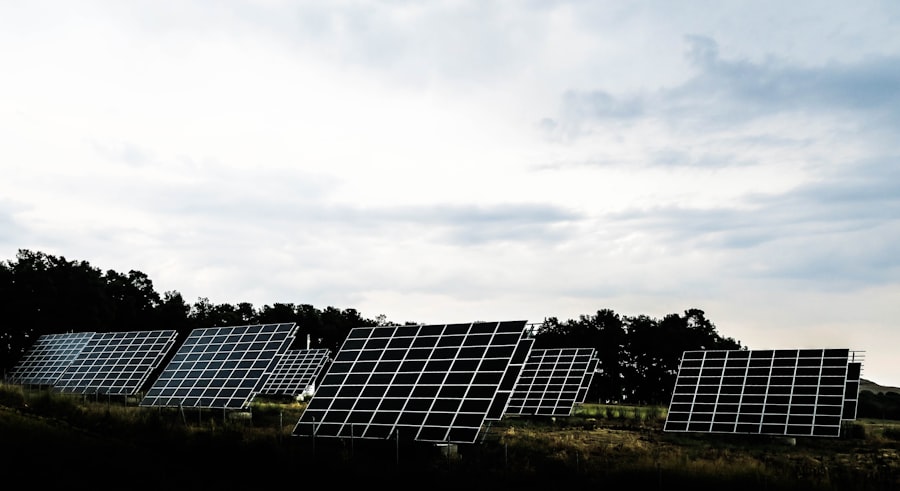
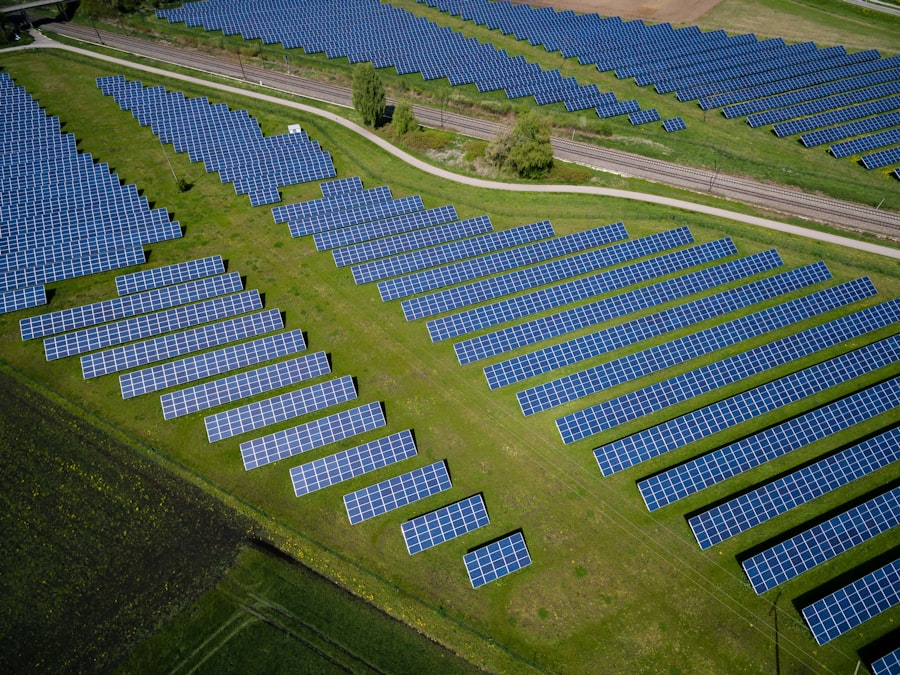
The field of roofing is constantly evolving, with new innovations emerging regularly. One exciting development is the integration of solar technology into roofing materials. Solar shingles are designed to blend seamlessly with traditional roofing while generating electricity for your home.
This dual functionality not only enhances energy efficiency but also allows you to harness renewable energy without compromising on aesthetics. Another innovation worth noting is the development of self-healing roofing materials. These cutting-edge products contain special polymers that can repair minor cracks or damage on their own when exposed to heat or sunlight.
This technology represents a significant leap forward in maintaining roof integrity and reducing repair costs over time. As you explore advanced roofing options, keep an eye out for these innovative solutions that could further enhance your home’s performance.
Choosing the Right Advanced Roofing Material for Your Home
Selecting the right advanced roofing material for your home involves careful consideration of various factors. Start by assessing your local climate and environmental conditions; certain materials perform better in specific weather patterns than others. For example, if you live in an area prone to heavy snowfall, a metal roof may be ideal due to its ability to shed snow easily.
Next, think about your personal style preferences and how different materials will complement your home’s architecture. Whether you prefer the sleek look of metal or the classic appeal of synthetic slate, there’s an advanced material that can meet your aesthetic desires while providing functional benefits. Finally, don’t forget to factor in budget considerations and long-term savings when making your choice.
In conclusion, advanced roofing materials offer a wealth of benefits that can enhance both the functionality and appearance of your home. By understanding their advantages, types, environmental impact, cost considerations, installation requirements, innovations, and how to choose wisely, you can make an informed decision that aligns with your needs and values. As you embark on this journey toward upgrading your roof, remember that investing in advanced materials is not just about immediate gratification; it’s about securing a durable and efficient future for your home.
If you are interested in learning more about roofing safety measures, check out this informative article on roofing safety measures. This article provides valuable information on how to ensure the safety of roofing contractors while working on projects. It covers topics such as proper equipment usage, fall protection, and hazard identification. By implementing these safety measures, contractors can reduce the risk of accidents and injuries on the job.
FAQs
What are advanced roofing materials?
Advanced roofing materials are innovative and high-performance materials that are designed to provide better durability, energy efficiency, and protection for buildings. These materials often incorporate new technologies and sustainable practices to improve the overall performance of the roof.
What are the benefits of using advanced roofing materials?
The benefits of using advanced roofing materials include improved durability, better energy efficiency, enhanced protection against weather elements, and reduced maintenance costs. These materials also often have a longer lifespan and can contribute to sustainable building practices.
What are some examples of advanced roofing materials?
Examples of advanced roofing materials include solar shingles, cool roofs, green roofs, metal roofing systems, and synthetic roofing materials. These materials are designed to offer improved performance and sustainability compared to traditional roofing materials.
How do advanced roofing materials contribute to energy efficiency?
Advanced roofing materials contribute to energy efficiency by reducing heat transfer, providing better insulation, and in some cases, generating renewable energy through solar panels or shingles. This can lead to lower energy consumption and reduced utility costs for the building.
Are advanced roofing materials more expensive than traditional materials?
While advanced roofing materials may have a higher upfront cost compared to traditional materials, they often provide long-term cost savings due to their durability, energy efficiency, and reduced maintenance requirements. Additionally, some advanced materials may be eligible for incentives or rebates that can offset the initial investment.