
As a homeowner, you may often overlook the significance of seasonal roof checks, but they are crucial for maintaining the integrity of your home. Your roof is your first line of defense against the elements, and regular inspections can help you identify potential issues before they escalate into costly repairs. By taking the time to assess your roof at least twice a year, you can ensure that it remains in good condition, prolonging its lifespan and protecting your investment.
Seasonal checks also allow you to adapt to changing weather conditions. For instance, after a heavy storm or snowfall, it’s essential to inspect your roof for any damage that may have occurred. By being proactive, you can address minor issues before they develop into significant problems, saving you both time and money in the long run.
Ultimately, regular roof inspections are not just about maintaining aesthetics; they are about safeguarding your home and ensuring the safety of your family.
Key Takeaways
- Regular seasonal roof checks are important for maintaining the integrity and longevity of your roof.
- Signs of roof damage include missing or damaged shingles, sagging areas, and water stains on the ceiling.
- DIY roof inspection tips include using binoculars to inspect from the ground, checking for debris and moss, and examining the attic for signs of water damage.
- Hiring a professional roofing contractor is recommended for thorough and safe roof inspections, especially for complex issues.
- Common roofing issues in Chandler, AZ include sun damage, monsoon season damage, and wear and tear from extreme temperatures.
- Weather considerations for roof maintenance include scheduling checks during dry and mild weather to ensure safety and accuracy.
- Materials and tools needed for roof checks include a ladder, safety harness, flashlight, and gloves for protection.
- Safety precautions for roof inspections include using proper safety equipment, having a spotter, and avoiding inspections during extreme weather conditions.
- How to spot leaks and water damage involves checking for water stains, mold growth, and soft spots on the roof.
- Preventative maintenance for your roof includes keeping gutters clean, trimming overhanging branches, and addressing issues promptly.
- Benefits of regular roof inspections include early detection of problems, prolonging the lifespan of the roof, and maintaining the value of the property.
Signs of Roof Damage
Recognizing the signs of roof damage is vital for any homeowner. You might notice missing shingles or tiles, which can expose your roof to leaks and further deterioration. Curling or buckling shingles are also indicators that your roof may be nearing the end of its lifespan.
If you see granules from asphalt shingles accumulating in your gutters, this could signal that your roof is losing its protective layer and may need immediate attention. Another sign to watch for is discoloration or dark spots on your ceiling or walls, which could indicate water damage from a leaky roof. Additionally, if you find mold or mildew growth in your attic or on your walls, it’s a clear sign that moisture is getting in.
Being vigilant about these signs can help you catch problems early and prevent more extensive damage down the line.
DIY Roof Inspection Tips
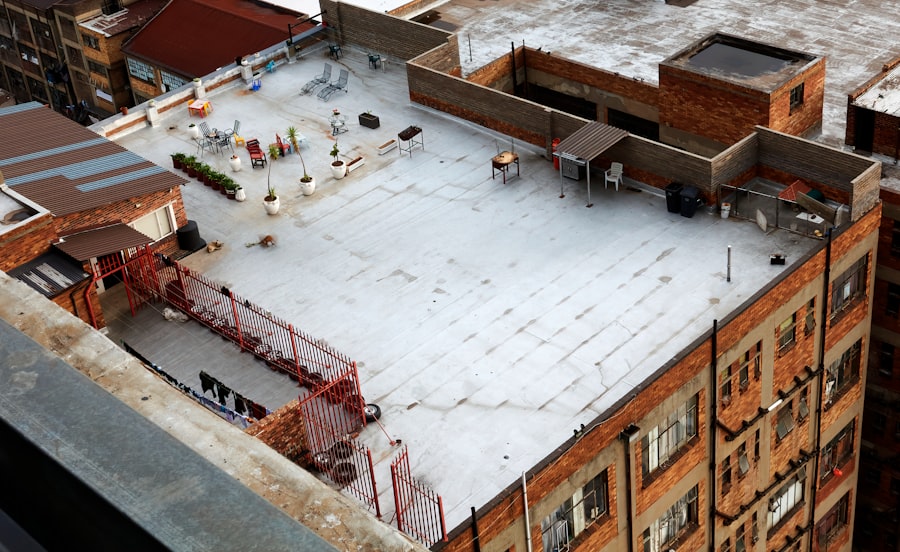
If you’re considering conducting a DIY roof inspection, there are several tips to keep in mind to ensure a thorough evaluation. First, equip yourself with a sturdy ladder and ensure it is placed on stable ground before climbing up. Once on the roof, take your time to examine each section carefully.
Look for any visible signs of wear and tear, such as cracked or missing shingles, rusted flashing, or damaged gutters. While inspecting, don’t forget to check the areas around chimneys and vents, as these are common spots for leaks. Use binoculars if you’re unable to access certain areas safely; they can provide a close-up view without putting yourself at risk.
Document any issues you find with photos and notes so that you can address them later or share them with a professional if needed.
Hiring a Professional Roofing Contractor
While DIY inspections can be beneficial, there are times when hiring a professional roofing contractor is the best course of action. A qualified contractor has the experience and expertise to identify issues that may not be immediately visible to the untrained eye. They can provide a comprehensive assessment of your roof’s condition and recommend necessary repairs or maintenance.
When selecting a contractor, it’s essential to do your research. Look for licensed and insured professionals with positive reviews from previous clients. Ask for references and check their portfolio of completed projects.
A reputable contractor will also provide a detailed estimate and explain the work that needs to be done, ensuring transparency throughout the process.
Common Roofing Issues in Chandler, AZ
In Chandler, AZ, homeowners face unique roofing challenges due to the region’s climate. One common issue is damage from intense heat and UV exposure, which can cause shingles to crack or fade over time. Additionally, monsoon season brings heavy rains and strong winds that can lead to leaks and structural damage if roofs are not adequately maintained.
Another concern in this area is the growth of moss and algae on roofs, particularly in shaded regions. This growth can trap moisture and lead to further deterioration if not addressed promptly. Understanding these common issues can help you stay ahead of potential problems and ensure that your roof remains in optimal condition throughout the year.
Weather Considerations for Roof Maintenance
When it comes to roof maintenance, weather plays a significant role in determining when and how you should conduct inspections and repairs. In Chandler, the summer months can bring extreme heat, making it essential to check for heat-related damage during this time. Conversely, the winter months may require you to inspect for ice dams or other cold-weather-related issues.
Planning your roof maintenance around seasonal weather patterns can help you avoid unnecessary complications. For instance, scheduling inspections before the monsoon season allows you to address any vulnerabilities before heavy rains hit. By being mindful of weather conditions, you can better protect your roof and extend its lifespan.
Materials and Tools Needed for Roof Checks
To conduct an effective roof inspection, you’ll need some basic materials and tools at your disposal. A sturdy ladder is essential for accessing your roof safely; make sure it’s tall enough to reach the highest point without compromising stability. A pair of binoculars can also be helpful for spotting issues from a distance without climbing onto the roof.
In addition to these tools, consider having a notepad or digital device handy for documenting any findings during your inspection. A camera can also be useful for capturing images of problem areas that may require further attention or professional evaluation. Having these materials ready will make your inspection process smoother and more efficient.
Safety Precautions for Roof Inspections
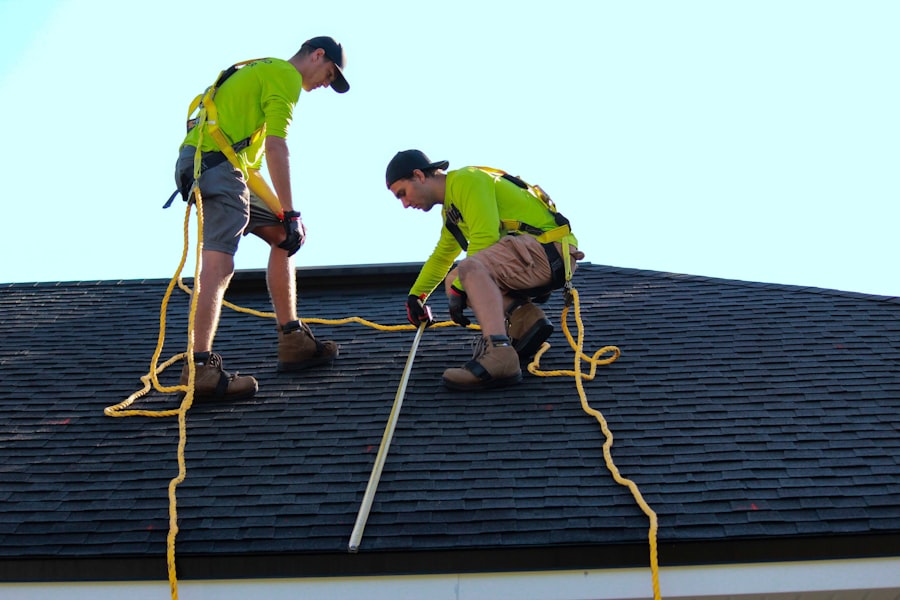
Safety should always be your top priority when inspecting your roof. Before climbing up, ensure that you have someone nearby who can assist you in case of an emergency. Wear appropriate footwear with good traction to prevent slipping on the roof surface.
If possible, use a harness or safety rope to secure yourself while working at heights. Additionally, be mindful of weather conditions before conducting an inspection. Avoid climbing onto your roof during wet or windy conditions, as these can increase the risk of accidents.
By taking these safety precautions seriously, you can protect yourself while ensuring that your roof remains in good condition.
How to Spot Leaks and Water Damage
Spotting leaks and water damage early is crucial for preventing extensive repairs down the line. During your inspection, look for water stains on ceilings or walls inside your home; these are often telltale signs of leaks originating from the roof. Pay close attention to areas around vents, chimneys, and skylights where water is more likely to penetrate.
In addition to visual inspections, consider checking your attic for signs of moisture or mold growth. If you notice any dampness or musty odors in this space, it could indicate a leak that needs immediate attention. By being proactive about identifying leaks and water damage, you can mitigate further issues and protect your home’s structural integrity.
Preventative Maintenance for Your Roof
Preventative maintenance is key to extending the life of your roof and avoiding costly repairs down the road. Regularly cleaning gutters and downspouts ensures proper drainage and prevents water buildup that could lead to leaks or structural damage. Additionally, trimming overhanging branches can reduce debris accumulation on your roof and minimize the risk of damage during storms.
Consider scheduling professional inspections at least once a year to catch any potential issues early on. During these inspections, contractors can perform necessary maintenance tasks such as resealing flashing or replacing damaged shingles. By prioritizing preventative maintenance, you can keep your roof in excellent condition for years to come.
Benefits of Regular Roof Inspections
The benefits of regular roof inspections extend far beyond simply identifying problems early on; they also contribute to overall peace of mind as a homeowner. Knowing that your roof is in good condition allows you to focus on other aspects of homeownership without worrying about unexpected leaks or repairs. Furthermore, regular inspections can enhance your home’s energy efficiency by ensuring that insulation remains intact and preventing air leaks.
Additionally, maintaining a well-kept roof can increase your property value should you decide to sell in the future. Prospective buyers are often more attracted to homes with well-maintained roofs since they signify less immediate work needed after purchase. Ultimately, investing time in regular inspections pays off in both financial savings and peace of mind as a homeowner.
When considering a seasonal roof check in Chandler, AZ, it’s essential to choose the right roofing contractor to ensure the job is done effectively. For tips on selecting a reliable professional, you can refer to this helpful article on tips for choosing the right roofing contractor. This resource provides valuable insights that can assist homeowners in making informed decisions about their roofing needs.
FAQs
What is a seasonal roof check?
A seasonal roof check is a routine inspection of the roof to assess its condition and identify any potential issues that may need to be addressed. It is typically done at least twice a year, in the spring and fall, to coincide with the changing weather conditions.
Why is a seasonal roof check important?
A seasonal roof check is important because it helps to identify any damage or wear and tear on the roof before it becomes a larger, more costly problem. It can also help to extend the lifespan of the roof and ensure that it continues to provide adequate protection for the home.
What are some common things to look for during a seasonal roof check?
During a seasonal roof check, it is important to look for signs of damage such as missing or damaged shingles, cracks or gaps in the roof, signs of water damage, and any debris or vegetation that may have accumulated on the roof.
Should I hire a professional roofing contractor for a seasonal roof check?
While homeowners can certainly perform a basic visual inspection of their roof, it is recommended to hire a professional roofing contractor for a more thorough and comprehensive seasonal roof check. A professional will have the expertise and experience to identify any potential issues and provide recommendations for maintenance or repairs.
What are the benefits of a seasonal roof check?
Some of the benefits of a seasonal roof check include early detection of potential issues, prevention of costly repairs, extension of the roof’s lifespan, and peace of mind knowing that the roof is in good condition. Regular maintenance can also help to maintain the home’s value and curb appeal.