
If you are a homeowner in Tucker Hill, McKinney, and you’re contemplating a new asphalt roof, understanding the installation process is crucial. This isn’t just about aesthetics; it’s about protecting your home, ensuring energy efficiency, and maintaining your property’s structural integrity. The installation of an asphalt roof is a multi-step endeavor, requiring careful planning, precise execution, and a skilled team. From the initial assessment to the final clean-up, each phase plays a vital role in the lifespan and performance of your roof. This guide aims to demystify the process, providing you with the knowledge to engage confidently with your roofing contractor and to appreciate the work that goes into safeguarding your Tucker Hill residence.
Initial Steps: Assessment and Preparation
Before shovels hit the driveway or ladders are propped against your home, a thorough assessment and meticulous preparation are paramount. This stage sets the foundation for a successful installation and prevents potential issues down the line.
Site Inspection and Evaluation
Your chosen roofing contractor will begin with a comprehensive site inspection of your Tucker Hill property. This isn’t a superficial glance; it involves a detailed examination of your existing roof, its condition, and the underlying structure of your home.
Assessing Existing Roof Condition
The inspector will look for signs of wear and tear, such as curling or cracked shingles, granule loss, or areas of sagging. They will also check for signs of water damage, such as staining on the underside of the roof deck or in the attic. The age of your current roof is a significant factor, as materials degrade over time. They will determine if a simple repair is feasible or if a full replacement is necessary.
Evaluating the Roof Deck
The structural integrity of your roof deck, often plywood or OSB (oriented strand board), is critical. The inspector will look for soft spots, rot, or delamination, which indicate a need for replacement. A compromised roof deck cannot adequately support the weight of a new roof and can lead to premature failure.
Checking for Ventilation Issues
Proper attic ventilation is essential for extending the life of your asphalt roof and preventing moisture buildup, which can lead to mold and rot. The inspector will assess your current ventilation system, looking at soffit vents, ridge vents, and any other passive or active ventilation elements. Inadequate ventilation can cause your shingles to overheat, reducing their lifespan and increasing your cooling costs.
Identifying Structural Concerns
Beyond the roof deck itself, the inspector will note the condition of the fascia boards, soffits, and gutters. These components are integral to the overall water management system of your home. Damage to these areas can compromise the roof’s ability to shed water effectively and can also provide entry points for pests.
Material Selection and Ordering
Based on the assessment, you and your contractor will select the appropriate asphalt roofing materials. This decision involves balancing aesthetics, durability, performance, and budget.
Choosing Shingle Type and Style
Asphalt shingles come in various types, from basic 3-tab shingles to architectural (dimensional) shingles, which offer a more substantial look and better wind resistance. You’ll also consider the color, which can impact your home’s curb appeal and its heat absorption. Your contractor can provide samples and discuss the pros and cons of each option for your specific Tucker Hill climate.
Selecting Underlayment and Other Accessories
Underlayment is a protective layer installed directly on the roof deck before shingles. Common options include felt underlayment and synthetic underlayment. Synthetic options generally offer superior water resistance and durability. You will also discuss choices for drip edge, flashing materials (typically aluminum or galvanized steel), and potentially ice and water shield, especially crucial in areas prone to ice dams.
Ordering and Delivery of Materials
Once decisions are made, the contractor will order the necessary materials. Timely delivery is crucial to avoid delays in the installation schedule. The materials should be delivered to your Tucker Hill property and stored appropriately to prevent damage from weather or theft.
Site Preparation and Safety Measures
Before any demolition begins, your property will be prepared to minimize disruption and ensure safety.
Protecting Landscaping and Property
Your contractor should take steps to protect your lawn, gardens, and any outdoor furniture. This often involves laying down tarps or plywood to catch falling debris. They should also cordon off the work area to prevent unauthorized access.
Setting Up Safety Equipment
Roof work is inherently dangerous. Your contractor will ensure all safety equipment is in place, including harnesses, scaffolding, and safety nets. They will also communicate safety protocols to their crew and establish clear boundaries for your family and pets.
Temporary Weather Protection
If the roof replacement is happening during a period with a forecast for rain, temporary measures might be put in place to cover sections of the exposed roof deck. This shows a commitment to preventing water damage to your home during the process.
For those interested in learning more about the intricacies of roofing, particularly in relation to asphalt roofing installation in Tucker Hill, McKinney, a great resource is available. You can explore essential tips and insights on roof repair and maintenance by visiting this informative article: Roof Repair and Maintenance. This article provides valuable information that complements the installation process and helps homeowners ensure the longevity and durability of their roofs.
Demolition and Removal of the Old Roof
The first active phase of asphalt roofing installation is the meticulous removal of your old roofing system. This process is not merely about tearing off shingles; it involves a systematic deconstruction to expose the underlying roof deck and prepare it for the new materials.
Shingle Removal and Disposal
This is often the most visible and noisy part of the process.
Stripping Existing Shingles
Your roofing crew will use specialized tools, such as roof shovels or stripping knives, to pry up and remove the old shingles. They will work systematically, often starting from one edge of the roof and moving across.
Removing Felt and Other Layers
Once the shingles are gone, the underlayment, typically asphalt felt paper, will also be removed. If multiple layers of shingles were present, those will be stripped as well. The goal is to get down to the bare roof deck.
Managing Debris
The removed roofing materials are a significant amount of waste. Roofing companies utilize dumpsters or tarps to collect this debris as it’s removed, preventing it from accumulating on your lawn or entering your gutters. Proper disposal according to local ordinances is a must.
Inspection and Repair of the Roof Deck
With the old roofing layers gone, the underlying roof structure is exposed for a critical inspection.
Examining the Sheathing for Damage
The roofing contractor will carefully examine the plywood or OSB sheathing for any signs of rot, water damage, delamination, or structural weakness. These issues must be addressed before the new roof is installed.
Replacing Damaged Sheathing
Any sections of damaged sheathing will be cut out and replaced with new, appropriate materials. This ensures that your new roof has a solid and stable foundation. The size and type of replacement pieces will be determined by the extent of the damage.
Addressing Potential Issues with Rafters or Trusses
While less common, severe water damage or structural problems might extend to the rafters or trusses. If any such concerns are identified, your contractor should inform you immediately and recommend addressing them with qualified professionals.
Cleaning and Preparing the Deck for New Materials
Once repairs are complete, the roof deck needs to be thoroughly cleaned.
Sweeping and Removing Debris
All nails, staples, and any residual debris are meticulously swept and removed from the roof deck. This ensures a smooth and clean surface for the underlayment.
Ensuring a Dry Surface
The roof deck should be dry before any new materials are applied. If any moisture is present from rain or dampness, it needs an opportunity to dry out.
Installation of Underlayment and Protective Layers
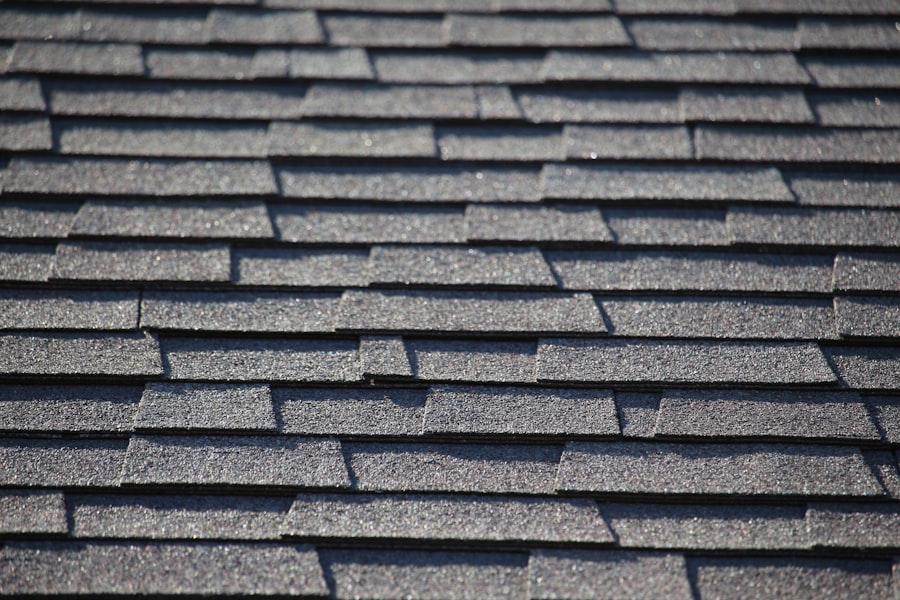
With a sound and clean roof deck, the next crucial stage involves laying down protective layers that act as a secondary barrier against water penetration. This is where the long-term performance of your roof begins to take shape.
Laying the Underlayment
Underlayment serves as a vital barrier between the roof deck and the shingles, offering an extra line of defense against moisture.
Types of Underlayment
Asphalt-saturated felt paper has been a long-standing choice, offering good water resistance. However, synthetic underlayments are increasingly popular. They are typically made from polypropylene or polyester and offer superior tear resistance, UV stability, and a more reliable waterproof surface. Your contractor can advise on the best option for your Tucker Hill home.
Proper Installation Techniques
The underlayment is rolled out horizontally across the roof deck, starting from the eaves and working up towards the ridge. Each subsequent layer overlaps the previous one to ensure water runs down and off the roof, not underneath. The edges are also overlapped to prevent water intrusion. Staples or cap nails are used to secure the underlayment.
Importance of Overlapping and Sealing
Correct overlapping is non-negotiable. The standard is typically a 2-inch overlap on the sides and a 4-inch overlap on the ends. Some synthetic underlayments have self-adhering laps, adding an extra layer of protection.
Installing Ice and Water Shield
In regions prone to freezing temperatures and ice dams, an ice and water shield is a critical component, especially along the eaves and in valleys.
Purpose and Placement of Ice and Water Shield
Ice and water shield is a self-adhering, waterproof membrane that provides superior protection against ice dams and wind-driven rain. It is typically installed along the lower edges of the roof, extending at least 24 inches inside the warm interior wall line. It’s also applied in valleys, around chimneys, skylights, and any other penetrations.
Protecting Against Ice Dams
Ice dams form when snow melts and refreezes at the eaves, creating a barrier that forces water back up under the shingles. Ice and water shield prevents this water from reaching the roof deck and interior.
Safeguarding Valleys and Penetrations
Valleys are where two roof planes meet, creating a natural channel for water. This area is particularly susceptible to leaks. Ice and water shield, along with proper flashing, significantly enhances protection in these critical zones.
Adhering the Membrane
The protective backing of the ice and water shield is peeled off, and the membrane is carefully pressed onto the roof deck. Rolling it firmly ensures a complete seal. Proper adhesion is essential for its effectiveness.
Drip Edge Installation
Drip edge is a metal flashing installed along the edges of the roof to direct water away from the fascia and into the gutters.
Function of Drip Edge
It prevents water from running down the back of the fascia board, which can lead to rot and damage to the underlying wood. It also helps to protect the edge of the shingles from wind uplift.
Correct Placement and Overlapping
Drip edge is typically installed either under the underlayment at the eaves and rakes (sides) or over the underlayment, depending on manufacturer recommendations and local building codes. The sections of drip edge should overlap, with the upper section overlapping the lower section to ensure water flows away.
Application of Shingles and Flashing Details

This is the stage where the most visible aspect of your new roof takes shape. The careful application of asphalt shingles, combined with meticulously installed flashing, ensures both aesthetic appeal and crucial water management.
Laying the Starter Shingles
Before the main field of shingles is applied, a special type of shingle is installed along the eaves and rakes.
Purpose of Starter Shingles
Starter shingles provide a sealed edge, preventing wind from lifting the first course of shingles and blocking water from entering at the roof’s edge. They are designed with a stronger adhesive strip.
Proper Alignment and Adhesion
Starter shingles are carefully aligned with the edge of the roof and are typically face-nailed or adhered according to manufacturer specifications. They create a clean, straight line for the subsequent courses of shingles.
Installing the Field Shingles
This is the primary application of the asphalt shingles that will form the bulk of your roof.
Starting the First Course
The first full course of shingles is laid perpendicular to the edge of the roof, or at a slight offset depending on the shingle type and manufacturer instructions. It is crucial to maintain a consistent overhang at the eaves.
Nailing Patterns and Placement
The correct nailing pattern is critical for wind resistance and the longevity of your roof. Manufacturers provide specific guidelines on the number and placement of nails. Generally, shingles are nailed into the nailing strip, which is a reinforced area designed to hold the nails securely. Over-nailing or under-nailing can lead to premature roof failure.
Understanding the Nailing Strip
Architectural shingles have a wider nailing strip than 3-tab shingles, allowing for more secure fastening. It’s important for the installer to understand and adhere to these specific requirements.
Avoiding Nail Blow-Through
The nails should penetrate through the shingle and into the roof deck, but not so deeply that they pierce through the underside of the deck. This can create potential leak points.
Staggering Shingles for Overlap
To ensure water sheds effectively, each subsequent course of shingles must be staggered so that the vertical seams do not align from one row to the next. This creates an interlocking pattern that is essential for water resistance.
Coordinating Shingle Placement
The installer uses a chalk line to maintain straight courses and carefully places each shingle to achieve the desired stagger.
Working Through Complex Roof Areas
Hips, valleys, and dormers require specialized techniques for shingle installation to ensure proper overlap and water shedding.
Installing Ridge and Hip Cap Shingles
The final shingle application involves the specialized caps that cover the ridges and hips of the roof.
Purpose of Ridge and Hip Caps
These cap shingles provide a finished look and, more importantly, seal the peak of the roof, preventing water and wind from entering.
Securing the Caps
Ridge and hip cap shingles are typically cut from standard shingles or are specifically manufactured for this purpose. They are overlapped and carefully nailed down to provide a robust and weather-tight seal.
Flashing Around Penetrations and Valleys
Flashing is critical for sealing around anything that penetrates the roof surface, such as chimneys, vents, and skylights, as well as at roof valleys.
Chimney Flashing
This involves installing metal flashing in a step-like pattern up the sides and back of the chimney, integrating it with the shingles to prevent water from seeping into the attic.
Vent Pipe Flashing
Rubber boots or specialized metal flashing are used around plumbing vent pipes to create a watertight seal.
Skylight Flashing
Skylights require a carefully designed flashing system that integrates with the surrounding shingles to prevent leaks. This is often a complex installation.
Valley Flashing
Valleys are where two roof planes meet, channeling a significant amount of water. Properly installed flashing, often combined with ice and water shield, is crucial for preventing leaks in these vulnerable areas.
For those considering asphalt roofing installation in Tucker Hill, McKinney, it’s essential to understand the broader context of roofing services available in the area. A helpful resource can be found in an article that discusses various roofing contractors in Houston, Texas, which provides insights into choosing the right professionals for your roofing needs. You can read more about it in this article, where you will find valuable information that can aid in making informed decisions for your roofing project.
Ensuring Proper Ventilation and Finishing Touches
| Metrics | Data |
|---|---|
| Roofing Material | Asphalt |
| Location | Tucker Hill, Mckinney |
| Installation Type | Residential |
| Installation Time | 1-2 days |
| Warranty | 10 years |
A truly effective asphalt roof is more than just shingles; it’s a system that includes critical ventilation components and careful attention to detail in the finishing stages. These elements contribute significantly to the longevity and performance of your roof.
The Importance of Attic Ventilation
A well-ventilated attic is essential for regulating temperature and moisture levels, which directly impacts the lifespan of your asphalt roofing system.
Preventing Heat Buildup
During warmer months, attics can become extremely hot. Proper ventilation allows this hot air to escape, reducing the load on your air conditioning system and preventing premature aging of your shingles.
Managing Moisture and Preventing Condensation
In colder months, warm, moist air from inside your home can rise into the attic and condense on the cold roof deck and rafters. This can lead to mold growth, rot, and structural damage. Ventilation helps to exhaust this moisture.
Types of Ventilation Systems
Soffit Vents (Intake)
Located in the eaves, soffit vents allow fresh air to enter the attic. They are typically installed in a continuous strip beneath the roof overhang.
Ridge Vents (Exhaust)
Installed along the peak of the roof, ridge vents allow hot and moist air to escape the attic. They work in conjunction with soffit vents to create a continuous airflow.
Gable Vents (Exhaust – sometimes)
These are typically located on the gable ends of the house. While they can provide exhaust, they are generally less effective than continuous ridge vents when paired with soffit vents, as they can create “dead spots” in airflow.
Powered Vents (Less Common for Standard Asphalt Roofs)
In some cases, electric or solar-powered vents might be considered for areas with particularly challenging ventilation needs, but for most standard asphalt roofs, passive ventilation is sufficient.
Ensuring Balanced Airflow
The key to effective ventilation is a balance between intake (soffit vents) and exhaust (ridge vents). For every square foot of attic floor, there should be a specific ratio of vent area, as dictated by building codes. Your contractor will ensure this balance is achieved.
Installing Ridge Caps and Vents
Ridge caps not only seal the peak but also often integrate ventilation.
Sealing the Ridge
As mentioned previously, specialized ridge cap shingles are applied to cover the top edge of the roof, creating a watertight seal.
Integrating Ridge Ventilation
Many ridge cap systems are designed to incorporate ventilation directly into them, providing an efficient exhaust. If separate ridge vents are used, they are typically installed just below the ridge caps.
Final Inspections and Walk-Through
Before the crew packs up and leaves, a thorough inspection is crucial.
Contractor’s Inspection
The roofing foreman or project manager will conduct a detailed inspection to ensure all work has been completed according to specifications and industry standards. They will check for proper nail placement, shingle alignment, flashing integrity, and overall appearance.
Homeowner Walk-Through and Punch List
You should participate in a walk-through with your contractor. This is your opportunity to ask questions and point out any areas of concern. A “punch list” of minor corrections or adjustments can be created at this stage.
Checking for Any Visible Defects
This includes looking for any damaged shingles, uneven rows, or areas where sealant might be needed.
Ensuring All Debris is Removed
Beyond the initial debris removal, a final sweep of the property is expected.
Warranty Information and Documentation
Your contractor should provide you with all necessary warranty information for both the materials and the labor. This documentation is vital for future reference.
If you’re considering asphalt roofing installation in Tucker Hill McKinney, it’s essential to be aware of common roofing issues that may arise over time. A helpful resource is an article that discusses troubleshooting roofing problems, which can provide valuable insights for homeowners. You can read more about it in this informative article. Understanding these potential issues can help you maintain your roof and ensure its longevity after installation.
Post-Installation Procedures and Maintenance
The completion of the asphalt shingle installation marks a significant milestone, but the responsibility doesn’t end there. Proper post-installation procedures and diligent maintenance are key to maximizing the lifespan and performance of your new Tucker Hill roof.
Thorough Site Clean-up
A professional roofing company will leave your property in the same, if not better, condition than they found it.
Removal of All Debris
This includes all roofing scraps, nails, packaging materials, and any other debris that may have accumulated during the installation process. Magnetic sweepers are often used to collect dropped nails, which can be a hazard to vehicles and bare feet.
Inspection of Gutters and Downspouts
The crew should ensure that your gutters and downspouts are clear of any debris and are functioning properly to direct water away from your foundation.
Protecting the Exterior of Your Home
Any accidental scuffs or marks on siding or windows should be cleaned. Protective coverings used during the installation should be removed and the covered areas cleaned.
Understanding Your New Roof’s Warranty
Warranties provide peace of mind and are a testament to the quality of the materials and workmanship.
Manufacturer’s Warranty
This warranty covers defects in the asphalt shingles themselves, such as manufacturing flaws that lead to premature failure. Different shingle types have varying warranty periods, often ranging from 20 years to limited lifetime warranties.
Contractor’s Workmanship Warranty
This warranty covers issues arising from the installation process. It ensures that the shingles were applied correctly, the flashing is sound, and the overall installation is free from defects. Workmanship warranties typically range from 5 to 10 years, but can vary.
What to Do If Issues Arise
Familiarize yourself with the procedures for filing a warranty claim. Keep all documentation in a safe place. If you notice any potential issues, contact your roofing contractor promptly.
Recommended Maintenance Practices
Regular maintenance can help identify minor issues before they become major problems, extending the life of your roof.
Periodic Roof Inspections
It is advisable to have your roof inspected by a qualified professional at least once a year, and after any major storm events. These inspections can identify loose shingles, damaged flashing, or debris buildup.
Cleaning Gutters and Downspouts
As mentioned, keeping gutters and downspouts clear is crucial for proper water drainage. Clogged gutters can lead to water backing up onto the roof and causing damage.
Managing Debris on the Roof
Periodically check for any accumulation of leaves, branches, or other debris on your roof, especially in valleys. This debris can trap moisture and contribute to shingle deterioration.
Trimming Overhanging Trees
Branches that overhang your roof can shed debris, create shaded areas that promote moss growth, and pose a risk of falling during storms. Trimming these branches can help prevent potential roof damage.
Addressing Moss and Algae Growth
In humid climates, moss and algae can grow on shingles, retaining moisture and potentially damaging the granules. Specialized roof cleaning products are available to address this, but it is important to use them according to manufacturer instructions and consult with your roofer if unsure.
By understanding these post-installation procedures and committing to regular maintenance, you can ensure your new asphalt roof on Tucker Hill, McKinney, provides reliable protection for your home for many years to come.
FAQs
What is asphalt roofing?
Asphalt roofing is a type of roofing material that is made from asphalt shingles. These shingles are made from a base mat that is coated with asphalt and then covered with mineral granules.
What are the benefits of asphalt roofing?
Asphalt roofing is popular due to its affordability, durability, and ease of installation. It also comes in a variety of colors and styles, making it a versatile option for homeowners.
How is asphalt roofing installed?
The installation process for asphalt roofing typically involves removing the old roofing material, inspecting the roof deck for any damage, and then laying down a waterproof underlayment before installing the asphalt shingles.
What is the lifespan of asphalt roofing?
The lifespan of asphalt roofing can vary depending on factors such as the quality of the shingles, the climate, and the installation. However, on average, asphalt roofing can last anywhere from 15 to 30 years.
What should I look for in a professional asphalt roofing installer?
When hiring a professional to install asphalt roofing, it’s important to look for a contractor who is licensed, insured, and experienced in working with asphalt roofing. It’s also a good idea to ask for references and to get a detailed written estimate before starting the project.