
You’re standing in your Val Vista, Gilbert, Arizona home, and you’ve noticed a few things. Maybe it’s a damp spot on the ceiling that wasn’t there last month. Perhaps you’ve seen a few more water stains around the edges of your roofline after a recent monsoon. Or maybe it’s just been a while since you’ve had any professional attention paid to this most critical component of your property. Whatever the trigger, the thought of a roof inspection enters your mind.
Gilbert, particularly in areas like Val Vista, experiences distinct weather patterns. The intense Arizona sun bakes your roof for much of the year, accelerating the degradation of roofing materials. Then come the summer monsoons, bringing torrential rain and strong winds that can exploit any existing weaknesses. These environmental pressures mean that regular, thorough roof inspections aren’t just a good idea; they’re a necessity for maintaining your home’s structural integrity and protecting your investment.
This article will guide you through the spectrum of roof inspections you might encounter or consider for your Val Vista home. We’ll break down what goes into a comprehensive assessment, the various types of inspections, and what you can expect from professionals in the field.
A roof inspection is far more than a quick glance from the ground. It’s a systematic and detailed examination designed to identify potential issues before they escalate into costly repairs or, worse, damage to the interior of your home. For a Val Vista resident, understanding the specific elements of a roof inspection is crucial.
The Exterior Assessment
The first major component of any roof inspection focuses on the external elements of your roof. This is where a trained eye can detect a myriad of potential problems.
Shingle and Tile Integrity
- Cracked or Broken Shingles: Perhaps the most common sign of wear, cracked or detached asphalt shingles can allow water to seep underneath, leading to rot and structural damage. You’ll want to know if any are curling or buckling, which indicates they’re nearing the end of their lifespan.
- Dislodged or Damaged Tiles: For tile roofs, common in many Arizona homes, you’ll be looking for any tiles that have shifted, cracked, or broken. Missing tiles create direct pathways for water intrusion. Hail damage, though less frequent than in other parts of the country, can also cause significant tile damage.
- Granule Loss: For asphalt shingles, a significant amount of granule loss can be an indicator of age and wear. You might see granules collected in your gutters or downspouts, which is a telltale sign.
Flashing and Sealant Examination
- Around Vents and Chimneys: Flashing is the thin metal sheeting used to prevent water from entering at vulnerable points like roof penetrations (vents, chimneys, skylights). Damaged, rusted, or improperly installed flashing is a prime culprit for leaks.
- Valley Areas: Roof valleys, where two roof planes meet, are notorious for collecting water. The flashing and sealing in these areas need to be meticulously checked for any signs of deterioration.
- Caulking and Sealants: Over time, the sealants around vents, caps, and other roof features can dry out, crack, and lose their effectiveness. Inspectors will check for any signs of degradation.
Gutters and Downspouts Inspection
- Blockages: Your gutters are designed to channel water away from your foundation. If yours are clogged with leaves, debris, or sediment, water can back up and potentially overflow onto your roof or pool around your foundation.
- Sagging or Separated Gutters: Gutters that are pulling away from the fascia or have separated seams can lead to leaks and water damage.
- Downspout Functionality: Ensure that your downspouts are securely attached and directing water away from your home’s foundation, not towards it.
Other Exterior Components
- Ridge Caps and Hip Ridges: These are the final pieces of roofing material along the apex of your roof. They are crucial for preventing water entry and can become loose or damaged over time.
- Skylights and Dormers: Any penetrations in your roof, including skylights, present potential entry points for water. The seals and flashing around these features will be thoroughly inspected.
- Algae and Moss Growth: While not always a direct cause of leaks, excessive algae or moss growth can trap moisture against your roofing material, accelerating its decay.
The Interior Assessment
A comprehensive roof inspection doesn’t stop at the roof’s surface. The interior of your home provides critical clues about the roof’s performance.
Attic and Crawl Space Inspection
- Signs of Leaks and Water Damage: This is where you’ll often see the direct evidence of a roof problem. Look for water stains, dark spots, or dampness on the underside of the roof decking, rafters, or insulation.
- Ventilation Issues: Proper attic ventilation is crucial for preventing moisture buildup. An inspector will assess if your attic is adequately ventilated, as inadequate ventilation can lead to condensation and mold growth.
- Mold and Mildew Growth: Persistent dampness in the attic can lead to mold and mildew, which can compromise air quality and pose health risks.
- Insulation Condition: Damaged or waterlogged insulation significantly reduces your home’s energy efficiency and can become a breeding ground for pests.
Ceiling and Wall Examination
- Stains and Discoloration: Water stains on ceilings or walls are a clear indication of a leak that has made its way through. The size, color, and location of these stains can help pinpoint the source of the problem.
- Peeling Paint or Wallpaper: Water intrusion can cause paint to blister and peel, or wallpaper to detach from the wall.
- Dripping: Obvious dripping water is a serious sign of an active leak that requires immediate attention.
If you’re looking for comprehensive information on roof inspections and related services, you might find the article on roofing contractors in Indianapolis, Indiana, particularly useful. It provides insights into various roofing services and tips for maintaining your roof, which can be beneficial for homeowners in Val Vista, Gilbert, Arizona, as well. You can read more about it in this article: Roofing Contractors in Indianapolis, Indiana.
Types of Roof Inspections You Might Encounter
When you decide to get your Val Vista roof inspected, you’ll likely encounter different types of inspections, each serving a specific purpose. Understanding these distinctions will help you choose the right service for your needs.
Routine Maintenance Inspections
These are proactive inspections performed on a regular schedule, typically once or twice a year, or after significant weather events. They are designed to catch minor issues before they become major problems.
Purpose and Frequency
- Preventative Care: The primary goal is to maintain the longevity of your roof by identifying and addressing small problems like loose shingles, minor granule loss, or clogged gutters.
- Post-Storm Assessment: After a major hailstorm or high wind event in Gilbert, a routine inspection is crucial to assess any potential damage.
- Seasonal Readiness: Preparing your roof for the extreme heat of summer or the potential for winter rain can be part of routine checks.
Pre-Purchase / Pre-Sale Inspections
If you’re buying a new home in Val Vista or preparing to sell your current one, a pre-purchase or pre-sale roof inspection is essential. This inspection provides a detailed report for the potential buyer or seller.
Buyer’s Perspective
- Informed Decision-Making: For buyers, this inspection offers peace of mind and valuable information about the condition of the roof. It can influence the purchase decision or inform negotiations regarding necessary repairs.
- Budgeting for Future Repairs: Understanding the remaining lifespan of the roof and any immediate or near-future repair needs allows buyers to budget accordingly.
Seller’s Perspective
- Addressing Issues Proactively: Sellers can use this inspection to identify and repair any problems before putting their home on the market, potentially leading to a smoother sale.
- Transparency and Trust: Presenting a recent, professional roof inspection report can build trust with potential buyers.
Damage Assessment Inspections
These inspections are typically triggered by a specific event, such as a storm, a visible leak, or a noticeable change in the roof’s appearance. The focus is on identifying the extent and cause of the damage.
Identifying Causes of Damage
- Weather-Related Damage: This includes hail, wind, falling debris, and even extreme temperature fluctuations.
- Accidental Damage: This could be from walking on the roof incorrectly, falling branches, or work being done by other contractors.
- Material Defect: In some cases, the roofing material itself may have a manufacturing defect that leads to premature failure.
Insurance Claim Inspections
When you need to file a claim with your homeowner’s insurance for roof damage, a specialized inspection is often required. This inspection helps document the damage for the insurance company.
Documentation and Reporting
- Detailed Photographic Evidence: Professional inspectors will take extensive photos of the damage, documenting its location and severity.
- Written Reports: A comprehensive report outlining the findings, the estimated cost of repairs, and the cause of damage is crucial for the insurance claim.
- Working with Adjusters: An inspector can often work with your insurance adjuster to ensure all relevant damage is recognized and accounted for.
What to Expect from a Professional Roof Inspector
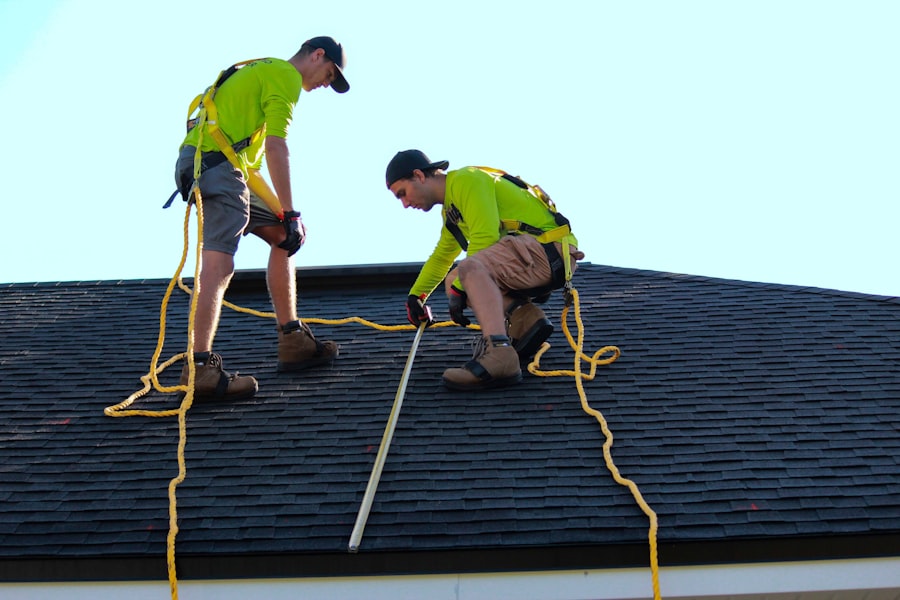
When you engage a professional to inspect your Val Vista roof, you should have a clear understanding of their process and what you can expect in terms of findings and reporting.
The Inspection Process
A professional inspector will follow a structured methodology to ensure nothing is missed.
On-Site Examination
- Exterior Walk-Around: This involves a thorough visual inspection of the roof from various angles and levels. They will use ladders and potentially specialized equipment for a closer look.
- Interior Attic/Crawl Space Entry: Accessing the attic or crawl space is a critical part of the process to identify signs of water intrusion and assess ventilation.
- Testing and Probing (if necessary): In some cases, an inspector might gently probe suspect areas of the roof to gauge the integrity of the underlying materials.
Tools and Technology
- Ladders and Safety Equipment: Professionals have the necessary safety gear to access your roof safely.
- Cameras and Drones: High-resolution cameras are used to capture detailed images. Drones can offer aerial views and access to difficult-to-reach areas without physically walking on them.
- Moisture Meters: These devices can help detect hidden moisture in roofing materials or underlayment.
- Binoculars: Useful for examining roof features from the ground without the need for immediate ladder deployment.
The Inspection Report
The deliverable of a professional roof inspection is a detailed report that summarizes the findings.
Key Elements of a Report
- Executive Summary: A brief overview of the roof’s overall condition and any immediate concerns.
- Detailed Findings: A section-by-section breakdown of the inspection, including notes on the condition of shingles, flashing, gutters, vents, and any observed damage.
- Photographic Evidence: High-quality images illustrating all identified issues.
- Recommendations: Specific suggestions for repairs or preventative maintenance, often categorized by urgency.
- Estimated Lifespan: An assessment of the remaining expected life of the roofing system.
- Contractor Information: Contact details of the inspecting company.
Understanding the Recommendations
- Actionable Advice: The recommendations should be clear, concise, and provide actionable steps for addressing any issues.
- Prioritization: Understanding which issues require immediate attention and which can be deferred is crucial for budgeting and planning.
- Cost Estimates (Optional): Some inspectors may provide rough cost estimates for recommended repairs, though this is not always standard and may be a separate service.
Common Roof Problems Specific to Val Vista, Gilbert

Val Vista, like much of Gilbert, Arizona, faces specific environmental challenges that can impact your roof’s lifespan and performance. Awareness of these common problems can help you identify them and understand what an inspector will be looking for.
The Impact of Intense Sunlight
The relentless Arizona sun is a major factor in roof degradation.
UV Ray Damage
- Material Brittleness: Prolonged exposure to UV rays can cause roofing materials, particularly asphalt shingles, to become brittle and more susceptible to cracking.
- Granule Deterioration: The protective granules on asphalt shingles can be degraded by the sun, leading to increased granule loss.
- Color Fading: While primarily aesthetic, significant fading can sometimes indicate a thinning of the protective layers of the roofing material.
Heat-Related Stress
- Expansion and Contraction: Extreme temperature fluctuations, especially the significant difference between daytime highs and nighttime lows, can cause roofing materials to expand and contract repeatedly, leading to stress and eventual failure.
- “Baking” of Materials: The intense heat can effectively “bake” certain roofing materials, accelerating their wear and tear.
Monsoon Season Challenges
While often brief, the summer monsoons in Gilbert can be incredibly intense, posing significant risks to your roof.
Wind Damage
- Shingle Uplift: Strong winds can lift and tear away shingles, exposing the underlayment and decking to water.
- Debris Impact: Wind can carry debris like branches and other loose items, which can strike and damage your roof.
- Flashing Loosening: Fast-moving air can put stress on improperly secured flashing, leading to gaps and potential leaks.
Heavy Rainfall and Water Intrusion
- Overwhelmed Drainage Systems: While infrequent, exceptionally heavy downpours can overwhelm gutters and downspouts, leading to water pooling.
- Exploiting Weaknesses: Any existing minor cracks or vulnerabilities in the roof are likely to be exploited by sustained rainfall, leading to leaks.
- Saturated Underlayment: If water breaches the shingles, it can saturate the underlayment, creating a barrier that’s still permeable to further water intrusion.
Other Local Considerations
- Dust and Sand Accumulation: The desert environment means dust and sand can accumulate on your roof, which, when combined with moisture, can create abrasive conditions and contribute to material degradation.
- Pest Activity: While less common than in humid climates, certain pests can still find their way to roofing materials or attics, potentially causing damage.
If you’re considering a roof inspection at Roof Inspection Spectrum in Val Vista, Gilbert, Arizona, it’s essential to understand the importance of hiring qualified professionals. A related article discusses the benefits of working with experienced roofing contractors, which can help ensure that your roof remains in optimal condition. For more insights, you can read the article on roofing contractors in Anaheim, California, by following this link. This resource provides valuable information that can assist you in making informed decisions about your roofing needs.
What Happens After the Inspection?
| Roof Inspection Spectrum at Val Vista Gilbert Arizona | |
|---|---|
| Location | Val Vista, Gilbert, Arizona |
| Roof Type | Spectrum |
| Inspection Date | [Date] |
| Inspector | [Name] |
| Inspection Report | [Link to report] |
Once the inspection is complete and you have your report, the next steps are crucial for ensuring the long-term health of your Val Vista home.
Reviewing the Report and Recommendations
Take your time to thoroughly understand the findings and the proposed solutions.
Prioritizing Repairs
- Urgent vs. Deferred: Differentiate between immediate threats that require prompt action and issues that can be addressed in the near future.
- Budgeting: Use the identified repairs to create or adjust your home maintenance budget.
Seeking Quotes from Reputable Contractors
- Multiple Bids: For significant repairs, it’s advisable to get quotes from several qualified roofing contractors.
- Credentials and Reviews: Look for contractors with good reviews, proper licensing, and insurance. Ask for references.
The Importance of Preventative Maintenance
An inspection isn’t just about fixing problems; it’s about preventing future ones.
Ongoing Roof Care
- Regular Cleaning: Periodically cleaning your gutters and checking for debris on your roof can prevent a multitude of issues.
- Tree Trimming: Keep any overhanging tree branches trimmed to reduce the risk of debris falling on your roof.
- Annual Check-ups: Consider scheduling annual inspections, even if no immediate issues are evident, to stay ahead of potential problems.
Understanding Your Roof’s Lifespan
- Material Quality: The type of roofing material and its initial installation quality significantly impact its lifespan.
- Maintenance History: A history of proactive maintenance will generally lead to a longer-lasting roof.
- Environmental Factors: As discussed, the specific climate of Val Vista plays a significant role.
You’ve invested in your home in Val Vista, Arizona, and protecting that investment requires consistent attention to its most vulnerable system: the roof. A thorough understanding of roof inspections, from the exterior components to interior indicators, and recognizing the unique challenges presented by your local environment, will empower you to make informed decisions about the care and maintenance of your property. Don’t wait for a visible leak to spur action. A proactive approach, fueled by professional inspections, is the most effective way to ensure your roof continues to protect your home for years to come.
FAQs
What is a roof inspection?
A roof inspection is a thorough examination of the condition of a roof, typically performed by a professional roofing contractor. It involves checking for any signs of damage, wear and tear, leaks, and potential issues that may affect the integrity of the roof.
Why is a roof inspection important?
A roof inspection is important because it helps identify any potential problems with the roof before they escalate into costly repairs or replacements. It also ensures the safety and structural integrity of the building, as well as helps in maintaining the overall value of the property.
How often should a roof be inspected?
It is recommended to have a roof inspection at least once a year, especially after severe weather conditions such as storms or heavy rainfall. Additionally, older roofs or those with a history of issues may require more frequent inspections.
What are the common signs that indicate the need for a roof inspection?
Common signs that indicate the need for a roof inspection include water stains on the ceiling, missing or damaged shingles, sagging areas on the roof, excessive granules in the gutters, and visible signs of wear and tear.
Who should perform a roof inspection?
A roof inspection should be performed by a qualified and experienced roofing contractor or inspector. It is important to hire a professional who has the expertise and knowledge to accurately assess the condition of the roof and provide recommendations for any necessary repairs or maintenance.