
When you’re considering a new roof for your Val Vista, Gilbert home, asphalt shingles are likely to be at the top of your list. This is for good reason; they represent a significant portion of the residential roofing market in the United States, and for good reason. Their balance of cost-effectiveness, durability, and aesthetic versatility makes them a practical choice for many homeowners. However, understanding the full spectrum of asphalt roofing installation, from material selection to the finer points of workmanship, is crucial to ensure you receive a long-lasting and effective roof that truly protects your investment.
This guide aims to demystify the process of asphalt roofing installation specifically within the Val Vista community of Gilbert. We’ll delve into the various aspects you should be aware of as a homeowner, from the fundamental types of asphalt shingles available to the detailed steps involved in their proper installation, and what to look for in a qualified contractor.
The term “asphalt shingle” is broad, encompassing a range of products designed to meet different needs and budgets. When you’re exploring your options, it’s important to familiarize yourself with the primary categories.
Basic 3-Tab Shingles
The most budget-friendly option, 3-tab shingles, are characterized by their uniform, rectangular shape.
Construction and Appearance
These shingles are constructed with a fiberglass mat base, saturated with asphalt and coated with mineral granules. The “3-tab” designation refers to the three distinct tabs or cutouts that create the visual appearance of individual shingles when laid. This design results in a flat, monochromatic look.
Performance and Lifespan
While they offer basic protection, 3-tab shingles are generally the least durable of the asphalt options. Their lifespan in the Arizona climate, which can experience intense UV exposure and heat, is typically estimated at around 15-20 years. They are more susceptible to wind uplift due to their lighter weight and simpler design.
Suitability for Val Vista Homes
For homeowners on a tight budget or those planning to sell their home in the near future, 3-tab shingles can be a viable choice. However, for a long-term investment in your property, you may want to consider more robust options.
Architectural or Laminate Shingles
Moving up in complexity and performance, architectural shingles, also known as laminate shingles, have become the prevalent choice for many homeowners.
Construction and Aesthetic Appeal
These shingles are made by layering two or more strips of asphalt, creating a thicker, dimensional profile. This layered construction not only adds weight and wind resistance but also allows for a more varied and visually appealing appearance, often designed to mimic the look of natural materials like wood shakes or slate.
Enhanced Durability and Weather Resistance
Architectural shingles offer a significant improvement in durability compared to 3-tab options. They are more resistant to wind uplift, and their heavier weight contributes to greater longevity. In the Val Vista climate, architectural shingles can typically last between 20-30 years, and in some cases, even longer with proper maintenance.
Variety of Styles and Colors
The market for architectural shingles is extensive, offering a wide array of colors and styles. You can find shingles that replicate the look of cedar shakes, slate tiles, or simply offer a modern, sophisticated aesthetic. This allows you to better match your home’s existing architecture or desired look.
Designer or Luxury Shingles
For the homeowner seeking the highest level of aesthetic appeal and superior performance, designer shingles represent the premium end of the asphalt roofing spectrum.
Premium Materials and Advanced Design
Designer shingles are often constructed with heavier fiberglass mats and more asphalt, incorporating advanced manufacturing techniques to create unique textures, profiles, and color blends. They can mimic high-end materials like natural slate, wood shakes, or even specific types of tile with remarkable accuracy.
Extended Lifespan and Warranty
The enhanced construction of designer shingles often translates to a longer lifespan, frequently extending beyond 30 years, with some carrying warranties that reflect their superior durability. They are engineered to perform exceptionally well in challenging weather conditions.
Investment Value
While carrying a higher upfront cost, designer shingles can offer significant long-term value by enhancing your home’s curb appeal, potentially increasing its resale value, and providing peace of mind due to their exceptional longevity and protection.
If you’re considering asphalt roofing installation at Val Vista Gilbert, you might find it helpful to read a related article that discusses various roofing contractors and their services. This article provides insights into the roofing industry and can help you make informed decisions about your roofing needs. For more information, you can check out this resource on roofing contractors in Columbus, Ohio: Roofing Contractors in Columbus, Ohio.
The Installation Process: A Layer-by-Layer Approach
A roof is more than just shingles; it’s a multi-layered system designed to protect your home from the elements. Each layer plays a critical role in the overall performance and longevity of your asphalt roofing installation.
Tear-Off and Deck Inspection
The process begins with the complete removal of your old roofing material. This is a crucial step that should not be skipped or skimped on.
Importance of Complete Removal
Leaving old shingles or underlayment in place creates an uneven surface for the new roof, compromising the integrity of the installation. It can also trap moisture and lead to premature decay. A professional crew will ensure all existing material is removed down to the roof deck.
Assessing the Roof Deck
Once the old roofing is removed, the roof deck, typically plywood or OSB, is exposed and meticulously inspected.
Identifying Rot and Damage
The installer will be looking for areas of rot, water damage, delamination, or any structural weaknesses in the deck. These issues must be addressed before new roofing materials are applied. Replacing damaged deck boards is essential for a solid foundation for your new roof.
Fastener Integrity
The inspector will also check the condition of the fasteners holding the deck to the rafters. Loose or corroded nails can compromise the structural integrity of the entire roof system.
Underlayment Installation: The First Line of Defense
Underlayment is a critical barrier that provides a secondary layer of protection against water infiltration, especially in areas where shingles might be lost or damaged.
Synthetic Underlayment vs. Felt Paper
You’ll generally encounter two main types of underlayment.
Traditional Felt Underlayment
This has been a standard for decades, made from asphalt-saturated felt. It’s relatively inexpensive and provides a basic level of protection. However, it can degrade faster in prolonged sun exposure and can become brittle over time.
Modern Synthetic Underlayment
These are typically made from polypropylene or polyester blends. They are generally lighter, more durable, more resistant to tearing, and offer superior water resistance. Many synthetic underlayments also have enhanced slip-resistance, providing a safer walking surface for installers.
Proper Overlapping and Fastening
Regardless of the type of underlayment used, proper installation is paramount.
Horizontal Overlap
Underlayment should be installed in horizontal courses starting from the eaves and working up to the ridge, with a specified overlap between each course to prevent water from seeping between the layers.
Securing the Material
The underlayment must be securely fastened to the roof deck with appropriate roofing nails or staples, ensuring it lies flat without wrinkles or ripples.
Drip Edge and Eave Protection
These components are specifically designed to manage water runoff at the most vulnerable points of your roof.
Drip Edge Functionality
Drip edge is a metal flashing installed along the eaves and rake edges of the roof. It’s designed to divert water away from the fascia and into the gutters, preventing water from seeping under the shingles and into the roof structure.
Eave Protection (Ice and Water Shield)
In areas prone to ice dams or significant rainfall, a specialized self-adhering membrane, often referred to as ice and water shield, is applied along the eaves and in valleys.
Preventing Ice Dams
This sticky, waterproof membrane adheres directly to the roof deck and underlayment, creating an impermeable barrier. It’s crucial for preventing water from backing up under shingles due to ice dams, a common concern in many climates.
Protecting Valleys
Valleys, where two roof planes meet, are particularly prone to water accumulation. This specialized underlayment provides an extra layer of protection in these critical areas.
Shingle Installation: The Visible Layer
This is the core of the roofing process, where the aesthetic and primary protective layer is applied.
Starter Shingles
Before the field shingles are laid, starter shingles are installed along the eaves and rake edges.
Purpose of Starter Shingles
These shingles are designed to create a clean, straight edge and provide an adhesive strip that seals down the first course of field shingles. They also help to prevent wind uplift at these vulnerable edges.
Proper Alignment and Overhang
Correct installation ensures they align with the eave and have the appropriate overhang to direct water away.
Field Shingle Installation
This is the main body of the roof.
Layout and Alignment
Shingles are typically installed in staggered rows, starting from one side of the roof and working across. The offset between shingles in adjacent rows is crucial for preventing water penetration through the seams.
Fastening Techniques
Shingles are fastened with roofing nails, typically placed in a specific pattern recommended by the manufacturer. The number and placement of nails are critical for wind resistance. Using too few nails or placing them incorrectly can lead to shingles blowing off in high winds.
Proper Nailing Zone
It’s vital that nails penetrate through the shingle, underlayment, and into the roof deck for optimal holding power. The nailing line designated by the manufacturer is to be followed precisely.
Installing Shingles in Valleys and Rake Edges
These areas require specific techniques for optimal water management.
Valley Installation Methods
There are two primary methods for installing shingles in valleys: open valley and closed valley.
Open Valley
In an open valley, shingles are cut in a way that creates a visible channel for water to flow down. A metal valley flashing is typically installed beneath the shingles to provide a watertight barrier.
Closed Valley
In a closed valley, shingles from both roof planes are overlapped and interlocked across the valley, with no visible flashing. This method offers a cleaner aesthetic but requires meticulous installation to ensure watertightness, often with additional underlayment beneath.
Rake Edge Finishing
The rake edge, the sloped edge of the roof, is typically finished with specialized rake edge flashing or by carefully cutting and sealing the shingles to create a neat, protective termination.
Ridge Cap and Ventilation
The ridge of the roof is a critical area for water shedding and for the overall health of your attic.
Ridge Cap Shingles
These are specially designed shingles used to cap the ridge and hips of the roof. They provide a clean finish and a continuous waterproof barrier along these high points.
Importance of Attic Ventilation
Proper ventilation is crucial for extending the life of your roof and ensuring a comfortable, healthy home.
Role of Ridge Vents
Ridge vents, installed at the peak of the roof, work in conjunction with soffit vents to create a continuous airflow. Warm, moist air rises from the attic and is expelled through the ridge vent, drawing in cooler, drier air from the soffits.
Preventing Ice Dams and Mold Growth
Adequate ventilation helps regulate attic temperature, reduces moisture buildup, and prevents conditions that can lead to ice dams in the winter and mold growth in the summer. It also helps to reduce the load on your air conditioning system.
Types of Vents
Beyond ridge vents, there are other ventilation options such as box vents, turbine vents, and soffit vents, which can be incorporated into the design to ensure proper airflow. The specific type and quantity of vents will depend on the size and pitch of your roof, as well as your attic’s insulation levels.
The Critical Role of Qualified Contractors
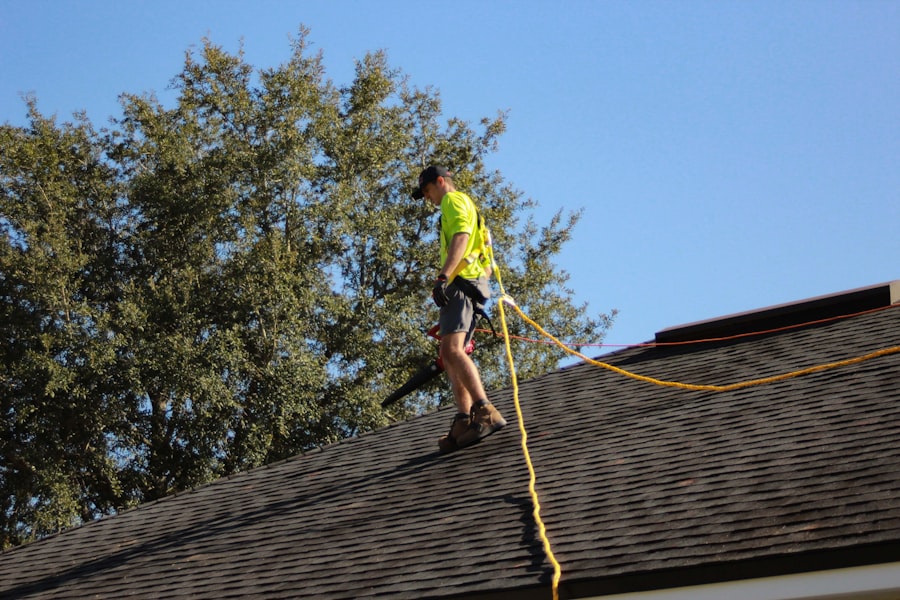
The most advanced materials and meticulous installation techniques are only as good as the hands that implement them. Choosing the right roofing contractor for your Val Vista home is paramount.
Licensing and Insurance
These are non-negotiable requirements for any reputable roofing company.
Verifying Licenses
Ensure the contractor holds all necessary state and local licenses to operate in Gilbert, Arizona. This indicates they meet minimum standards for competency and are recognized by regulatory bodies.
Confirming Insurance Coverage
The contractor must carry general liability insurance and workers’ compensation insurance.
Protection Against Damages
General liability insurance protects your property from damage that may occur during the roofing process.
Worker Safety
Workers’ compensation insurance protects you from liability if a roofer is injured on your property. You should request proof of insurance from any contractor you consider.
Experience and Reputation
Look for a contractor with a proven track record and positive client feedback.
Local Experience in Val Vista
A contractor familiar with the specific climate, building codes, and common roofing challenges in Val Vista and the broader Gilbert area will be better equipped to provide effective solutions.
Reading Reviews and Testimonials
Online reviews, testimonials, and references from past clients can offer valuable insights into a contractor’s reliability, quality of work, and customer service.
Warranty and Guarantees
Understand the warranties offered by both the shingle manufacturer and the contractor.
Manufacturer Warranties
These typically cover defects in the shingles themselves and vary based on the type of shingle. Ensure you understand the terms and conditions, including any requirements for registration or maintenance.
Contractor Workmanship Warranties
A reputable contractor will offer a warranty on their installation workmanship, assuring you that they stand behind their labor. This is separate from the manufacturer’s warranty and addresses any issues arising from improper installation.
Common Pitfalls to Avoid
Being an informed homeowner can help you navigate the roofing process and avoid costly mistakes.
Going with the Lowest Bid
While budget is a consideration, the cheapest bid often signals compromised quality.
Material Quality Compromises
The lowest bidder might use lower-grade materials, insufficient fasteners, or cut corners on underlayment to reduce costs.
Substandard Labor Practices
They may employ inexperienced or undertrained workers, leading to installation errors that will manifest as problems later.
Neglecting Proper Deck Repair
An extremely low bid could indicate an intent to skip necessary roof deck repairs, leaving you with a weak foundation for your new roof.
Insufficient Inspection and Communication
A lack of thoroughness from the contractor can lead to unforeseen issues.
Not Performing a Detailed Site Inspection
A contractor should conduct a thorough inspection of your existing roof, attic, and any potential problem areas before providing a quote.
Unclear Scope of Work and Inclusions
Ensure your contract clearly outlines all aspects of the job, including materials, labor, dumpster fees, and any necessary repairs. Lack of clear communication can lead to misunderstandings and disputes.
Neglecting Ventilation and Flashing Details
These are often overlooked by less experienced contractors but are critical for roof longevity.
Inadequate Attic Ventilation
A roof without proper ventilation is prone to moisture buildup, leading to premature decay of roofing materials and potential structural damage.
Improperly Installed Flashing
Flashing around chimneys, vents, skylights, and in valleys is essential for preventing leaks. If not installed correctly, these areas will become points of failure.
For those interested in enhancing their knowledge about roofing techniques, the article on continuing education in the roofing industry offers valuable insights that can complement the information found in the Asphalt Roofing Installation Spectrum at Val Vista Gilbert. This resource emphasizes the importance of staying updated with the latest practices and technologies in roofing, which can significantly benefit both professionals and homeowners alike. To explore more about this topic, you can read the full article here.
Long-Term Roof Care and Maintenance
| Roofing Material | Area Covered (sq ft) | Installation Time (days) |
|---|---|---|
| Asphalt Shingles | 1500 | 3 |
| Underlayment | 1500 | 1 |
| Flashing | 1500 | 0.5 |
Even the best asphalt roof requires some level of ongoing attention to ensure its optimal performance and lifespan.
Routine Inspections
Regularly scheduled inspections can identify minor issues before they become major problems.
What to Look For
- Granule Loss: While some granule loss is normal, significant shedding, especially after heavy rains, can indicate wear.
- Curling or Buckling Shingles: Shingles that are lifting, curling, or buckling are signs of age or potential underlying issues.
- Damaged Flashing: Check for any signs of rust, damage, or gaps in the flashing around penetrations and in valleys.
- Moss or Algae Growth: While not always detrimental, excessive growth can trap moisture and break down shingle material over time.
Frequency of Inspections
It’s advisable to have a professional inspection at least once every two to three years, and after any major weather events, such as severe storms with high winds or hail.
Gutter Cleaning and Maintenance
Clean gutters are essential for directing water away from your roof and foundation.
Preventing Water Backups
Clogged gutters can cause water to back up onto the roof edge, creating potential for leaks and damage to fascia and soffits.
Protecting Your Foundation
Properly functioning gutters ensure water is channeled away from your home’s foundation, preventing costly structural issues.
Promptly Addressing Minor Repairs
Don’t delay in addressing any small issues you notice.
Small Issues, Big Consequences
A few loose shingles or a small gap in flashing might seem minor, but they can quickly lead to water intrusion and more extensive damage if left unattended.
Cost-Effectiveness of Early Repairs
Repairing a small problem is significantly less expensive than repairing extensive damage caused by neglect.
By understanding the nuances of asphalt shingles, the critical stages of installation, and the importance of qualified professionals, you can confidently approach your Val Vista, Gilbert roofing project, ensuring a durable, protective, and aesthetically pleasing roof for your home.
FAQs
What is asphalt roofing?
Asphalt roofing is a type of roofing material made from asphalt shingles. These shingles are made of a base material (either organic felt or fiberglass) coated with asphalt and then covered with granules.
What are the benefits of asphalt roofing?
Asphalt roofing is popular due to its affordability, durability, and ease of installation. It also comes in a variety of colors and styles, making it a versatile option for homeowners.
How is asphalt roofing installed?
The installation process for asphalt roofing typically involves removing the old roofing material, inspecting the roof deck for any damage, applying an underlayment, and then installing the asphalt shingles using nails and adhesive.
What is the lifespan of asphalt roofing?
The lifespan of asphalt roofing can vary depending on factors such as the quality of the shingles, the climate, and the installation. However, asphalt roofing generally has a lifespan of 15-30 years.
What should I consider when choosing asphalt roofing for my home?
When choosing asphalt roofing, consider factors such as the climate in your area, the architectural style of your home, and your budget. It’s also important to hire a reputable contractor for the installation to ensure the longevity of your roof.