
When you think about commercial roofing, the first thing that might come to mind is durability and protection from the elements. However, energy efficiency is becoming an increasingly important aspect of roofing systems. Energy-efficient commercial roofing refers to materials and designs that minimize energy consumption, reduce heat absorption, and enhance the overall thermal performance of a building.
This type of roofing not only contributes to a more sustainable environment but also helps businesses save on energy costs over time. As you delve deeper into the concept of energy-efficient roofing, it’s essential to recognize the role that insulation and reflective surfaces play in this equation. A well-designed energy-efficient roof can significantly lower the demand for heating and cooling systems, which are often the largest consumers of energy in commercial buildings.
By utilizing advanced materials and technologies, you can create a roofing system that not only protects your investment but also contributes positively to your bottom line.
Key Takeaways
- Energy-efficient commercial roofing can help reduce energy costs and environmental impact
- Benefits of energy-efficient commercial roofing include improved insulation, reduced maintenance, and extended roof lifespan
- Types of energy-efficient commercial roofing materials include cool roofs, green roofs, and solar panels
- Factors to consider when choosing energy-efficient commercial roofing include climate, building design, and budget
- Proper installation and maintenance are crucial for maximizing the energy efficiency of commercial roofing
Benefits of Energy-efficient Commercial Roofing
The advantages of energy-efficient commercial roofing extend far beyond mere cost savings. One of the most significant benefits is the reduction in energy consumption. By reflecting sunlight and minimizing heat absorption, these roofs can keep indoor temperatures more stable, leading to lower reliance on air conditioning systems during hot months.
This not only reduces energy bills but also lessens the environmental impact associated with high energy use. Moreover, energy-efficient roofing can enhance the overall comfort of your building. A stable indoor temperature creates a more pleasant working environment for employees, which can lead to increased productivity and morale.
Additionally, many energy-efficient roofing materials are designed to be durable and long-lasting, which means you may spend less on repairs and replacements over time. The combination of these factors makes energy-efficient roofing an attractive option for any business looking to improve its operational efficiency.
Types of Energy-efficient Commercial Roofing Materials
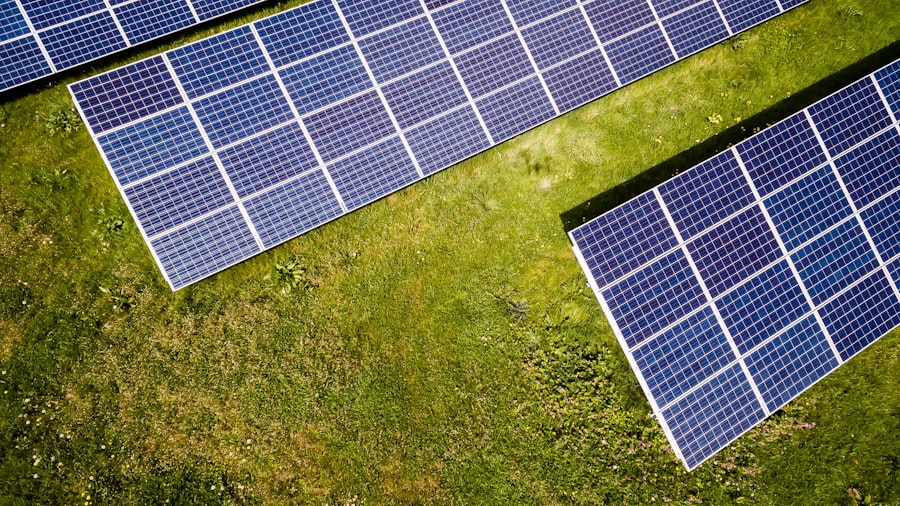
When it comes to selecting energy-efficient roofing materials, you have a variety of options at your disposal. One popular choice is reflective roofing membranes, which are designed to reflect sunlight rather than absorb it. These membranes can significantly reduce heat buildup in your building, making them ideal for warmer climates.
Additionally, materials such as cool roofs, which are often made from highly reflective materials or coatings, can also contribute to lower energy costs. Another option is green roofing systems, which incorporate vegetation into the roofing design. These roofs not only provide insulation but also help manage stormwater runoff and improve air quality.
They can be particularly beneficial in urban areas where green space is limited. Furthermore, you might consider using insulated metal panels or advanced polymer-based materials that offer excellent thermal performance while being lightweight and easy to install.
Factors to Consider When Choosing Energy-efficient Commercial Roofing
Selecting the right energy-efficient roofing system involves careful consideration of several factors. First and foremost, you should assess your building’s specific needs based on its location, climate, and architectural design. For instance, if your building is situated in a region with extreme temperatures, you may want to prioritize materials that offer superior insulation properties.
Additionally, it’s crucial to evaluate the long-term performance and maintenance requirements of the roofing materials you are considering. Some materials may require more frequent upkeep than others, which could impact your overall costs over time. You should also take into account local building codes and regulations, as these can influence your choices and may dictate certain standards for energy efficiency.
Installation and Maintenance of Energy-efficient Commercial Roofing
The installation process for energy-efficient commercial roofing can vary depending on the materials chosen and the complexity of your building’s design. It’s essential to work with experienced contractors who understand the nuances of installing these specialized systems. Proper installation is critical to ensuring that your roof performs as intended and provides the maximum benefits in terms of energy efficiency.
Once installed, regular maintenance is key to preserving the integrity and performance of your energy-efficient roof. This may include routine inspections to identify any potential issues such as leaks or damage from weather events. Keeping your roof clean and free from debris will also help maintain its reflective properties and overall effectiveness.
By investing time and resources into maintenance, you can extend the lifespan of your roof and continue reaping its benefits for years to come.
Case Studies of Successful Energy-efficient Commercial Roofing Projects
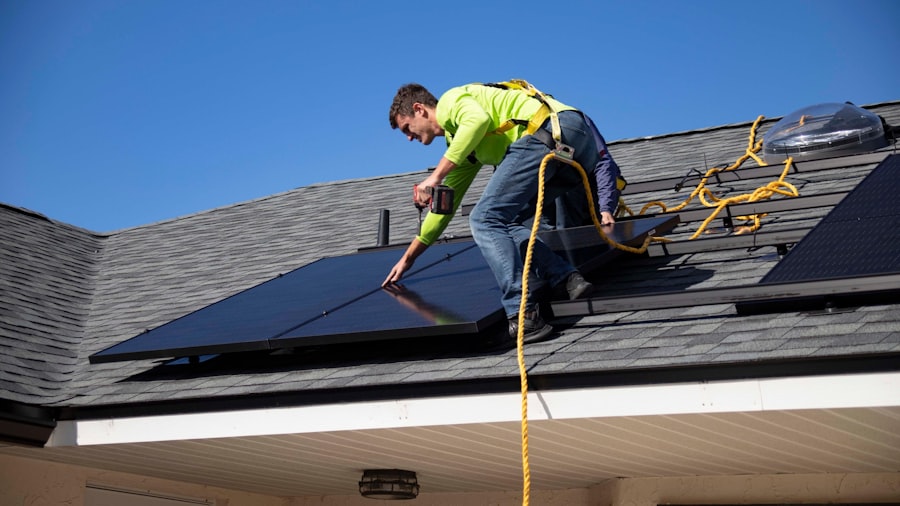
Examining real-world examples can provide valuable insights into the effectiveness of energy-efficient commercial roofing systems. For instance, a notable case study involves a large retail chain that implemented a cool roofing system across multiple locations. By utilizing reflective materials, they were able to reduce their cooling costs by nearly 30%, resulting in significant savings over time while also enhancing their sustainability profile.
Another compelling example comes from a corporate office building that opted for a green roof installation. This project not only improved insulation but also created a rooftop garden that employees could enjoy during breaks. The company reported increased employee satisfaction and productivity as a result of this investment in their workspace environment.
These case studies illustrate how energy-efficient roofing can lead to tangible benefits for businesses while promoting environmental responsibility.
Cost and Return on Investment for Energy-efficient Commercial Roofing
While the initial investment in energy-efficient commercial roofing may be higher than traditional options, it’s essential to consider the long-term return on investment (ROI). Over time, the savings generated from reduced energy bills can offset the upfront costs significantly. Many businesses find that they recoup their investment within a few years due to lower operational expenses.
Additionally, some regions offer incentives or rebates for businesses that invest in energy-efficient upgrades, further enhancing the financial appeal of these projects. It’s wise to conduct a thorough cost analysis before making a decision, taking into account not only the installation costs but also potential savings over time and any available financial incentives.
Future Trends in Energy-efficient Commercial Roofing
As technology continues to evolve, so too do the options available for energy-efficient commercial roofing. One emerging trend is the integration of solar technology into roofing systems. Solar panels can be seamlessly incorporated into roofs, allowing businesses to generate their own electricity while simultaneously benefiting from energy efficiency.
Another trend gaining traction is the use of smart roofing technologies that monitor temperature and weather conditions in real-time. These systems can adjust their properties based on external factors, optimizing energy use even further. As sustainability becomes an increasingly critical focus for businesses worldwide, investing in innovative energy-efficient roofing solutions will likely become a standard practice rather than an exception.
In conclusion, understanding energy-efficient commercial roofing is essential for any business looking to enhance its sustainability efforts while reducing operational costs. By exploring the various benefits, materials, factors to consider, installation processes, case studies, ROI potential, and future trends, you can make informed decisions that align with both your financial goals and environmental responsibilities. Embracing these advancements not only positions your business as a leader in sustainability but also contributes positively to the broader community and planet.
If you are interested in learning more about building permits and regulations related to roofing projects, check out this informative article on roofingcontractorshq.net. Understanding the necessary permits and regulations can help ensure that your roofing project is completed smoothly and in compliance with local laws. Additionally, for those in areas prone to wildfires, it may be beneficial to explore the use of wildfire-resistant roofing materials, as discussed in another article on the same site. These materials can help protect your commercial property from the devastating effects of wildfires.
FAQs
What is energy-efficient commercial roofing?
Energy-efficient commercial roofing refers to roofing materials and systems that are designed to reduce energy consumption and lower heating and cooling costs for commercial buildings. These roofing solutions are designed to minimize heat transfer, reflect sunlight, and provide better insulation to improve the overall energy efficiency of the building.
What are the benefits of energy-efficient commercial roofing?
Energy-efficient commercial roofing offers several benefits, including reduced energy costs, improved indoor comfort, extended roof lifespan, and reduced environmental impact. By reducing the amount of heat absorbed by the building, energy-efficient roofing can also help mitigate the urban heat island effect in urban areas.
What are some examples of energy-efficient commercial roofing materials?
Some examples of energy-efficient commercial roofing materials include cool roofs, which are designed to reflect sunlight and absorb less heat, as well as green roofs, which are covered with vegetation to provide natural insulation and reduce heat absorption. Other options include metal roofs, which have high solar reflectance, and roof coatings that can improve the energy efficiency of existing roofing systems.
How can I determine the energy efficiency of a commercial roofing system?
The energy efficiency of a commercial roofing system can be determined by looking at factors such as solar reflectance, thermal emittance, and insulation properties. The Energy Star program and the Cool Roof Rating Council provide ratings and certifications for energy-efficient roofing materials and systems, which can help building owners and managers make informed decisions.
What are some considerations when choosing energy-efficient commercial roofing?
When choosing energy-efficient commercial roofing, it’s important to consider factors such as the climate and location of the building, the building’s energy usage patterns, local building codes and regulations, and the specific needs and goals of the building owner. Working with a qualified roofing contractor or consultant can help ensure that the best energy-efficient roofing solution is selected for a particular building.