
In recent years, the use of drones for roof inspections has revolutionized the way you approach this essential task. Traditionally, roof inspections required ladders, scaffolding, or even climbing onto the roof itself, which posed significant safety risks and often resulted in time-consuming processes. However, with the advent of drone technology, you can now conduct thorough inspections from the ground, capturing high-resolution images and videos that provide a comprehensive view of your roof’s condition.
This innovation not only enhances safety but also improves efficiency, allowing you to identify potential issues before they escalate into costly repairs. The integration of drones into roof inspection practices has opened up new possibilities for homeowners, contractors, and real estate professionals alike. You can now access hard-to-reach areas without the need for extensive equipment or manpower.
Drones equipped with advanced imaging technology can detect problems such as leaks, damaged shingles, and structural issues with remarkable precision. As you delve deeper into the world of roof inspection drones, you’ll discover how they can streamline your workflow and provide invaluable insights into the health of your roofing system.
Key Takeaways
- Roof inspection drones are becoming increasingly popular for their ability to efficiently and safely inspect roofs, saving time and reducing risk for workers.
- Key features to look for in roof inspection drones include high-resolution cameras, long battery life, obstacle avoidance technology, and ease of use.
- The top 5 roof inspection drones on the market include DJI Mavic 2 Enterprise, Parrot Anafi Thermal, Yuneec H520, Autel Robotics EVO II, and Skydio 2.
- Using roof inspection drones offers benefits such as improved safety, cost savings, faster inspections, and more accurate data collection.
- Properly using a roof inspection drone involves familiarizing oneself with the drone’s controls, conducting pre-flight checks, and adhering to local regulations and airspace restrictions.
Key Features to Look for in Roof Inspection Drones
When selecting a roof inspection drone, there are several key features you should consider to ensure it meets your specific needs. First and foremost, camera quality is paramount. Look for drones equipped with high-resolution cameras that can capture detailed images and videos.
A drone with a 4K camera will allow you to zoom in on specific areas without losing clarity, making it easier to identify potential problems. Additionally, consider drones with thermal imaging capabilities. These can help you detect heat loss or moisture issues that may not be visible to the naked eye.
Another important feature to evaluate is flight time. You want a drone that can stay airborne long enough to complete your inspection without needing frequent recharges. A flight time of at least 20-30 minutes is ideal for most residential roofs.
Furthermore, consider the drone’s range and stability. A good roof inspection drone should have a reliable control range and be able to maintain stability in windy conditions. This ensures that you can capture clear images without interruptions or distortions caused by environmental factors.
Top 5 Roof Inspection Drones on the Market
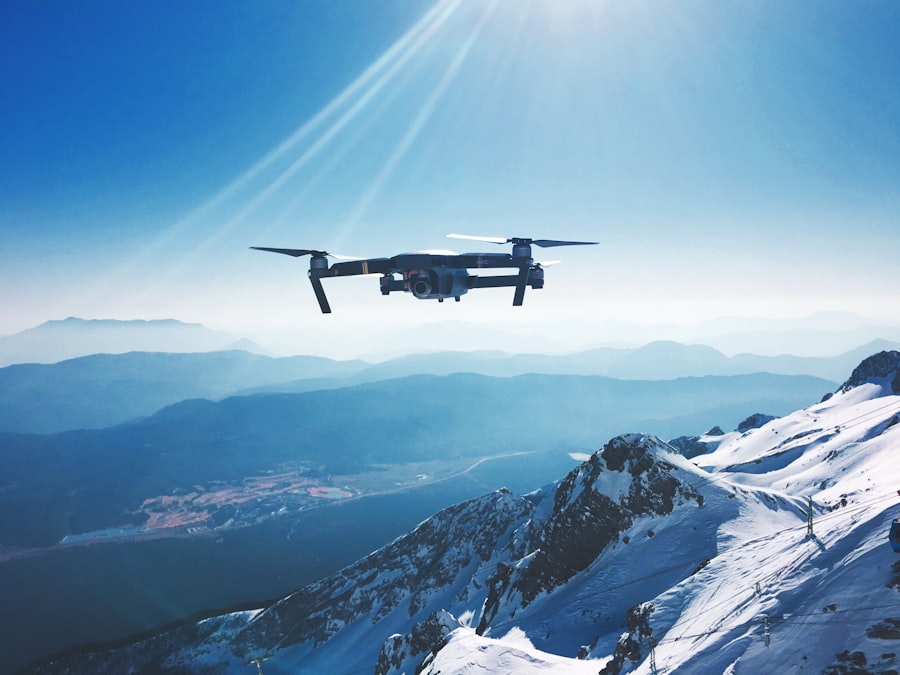
As you explore the market for roof inspection drones, you’ll find several models that stand out due to their performance and features. The DJI Mavic 3 is one of the top contenders, known for its exceptional camera quality and long flight time. With a 4/3 CMOS sensor and up to 46 minutes of flight time, this drone allows you to capture stunning aerial footage while covering large areas efficiently.
Another excellent option is the Parrot Anafi USThis drone is designed specifically for professional use and features a 32x zoom camera along with thermal imaging capabilities. Its compact design makes it easy to transport, while its advanced features enable you to conduct thorough inspections with ease. The Skydio 2 is also worth mentioning; it boasts impressive autonomous flying capabilities, allowing it to navigate complex environments while capturing high-quality images.
The Autel Robotics EVO Lite+ is another strong contender, offering a robust camera system and an impressive flight time of up to 40 minutes. Its user-friendly interface makes it accessible for both beginners and experienced drone operators alike. Lastly, the Yuneec Typhoon H Plus is a versatile option that combines a 4K camera with a six-rotor design for enhanced stability during flight.
Benefits of Using Roof Inspection Drones
The advantages of using drones for roof inspections are numerous and compelling. One of the most significant benefits is safety. By utilizing drones, you eliminate the need for ladders or scaffolding, reducing the risk of falls and injuries associated with traditional inspection methods.
This is particularly important for those who may not have extensive experience working at heights or who are inspecting roofs in challenging conditions. In addition to safety, drones offer unparalleled efficiency. You can complete inspections in a fraction of the time it would take using conventional methods.
With the ability to quickly capture high-resolution images and videos from various angles, you can assess your roof’s condition more thoroughly than ever before. This efficiency translates into cost savings as well; by identifying issues early on, you can address them before they develop into more significant problems that require expensive repairs.
How to Properly Use a Roof Inspection Drone
To maximize the effectiveness of your roof inspection drone, it’s essential to understand how to operate it properly. Start by familiarizing yourself with the drone’s controls and features through practice flights in open areas away from obstacles. This will help you gain confidence in piloting the drone and ensure that you’re comfortable navigating it around your property.
When conducting an inspection, plan your flight path in advance. Identify key areas of concern on your roof and create a systematic approach to capturing images and videos. Utilize the drone’s camera settings to adjust for lighting conditions and ensure optimal image quality.
After completing the flight, review the footage carefully to identify any potential issues that may require further investigation or repair.
Tips for Choosing the Right Roof Inspection Drone for Your Needs
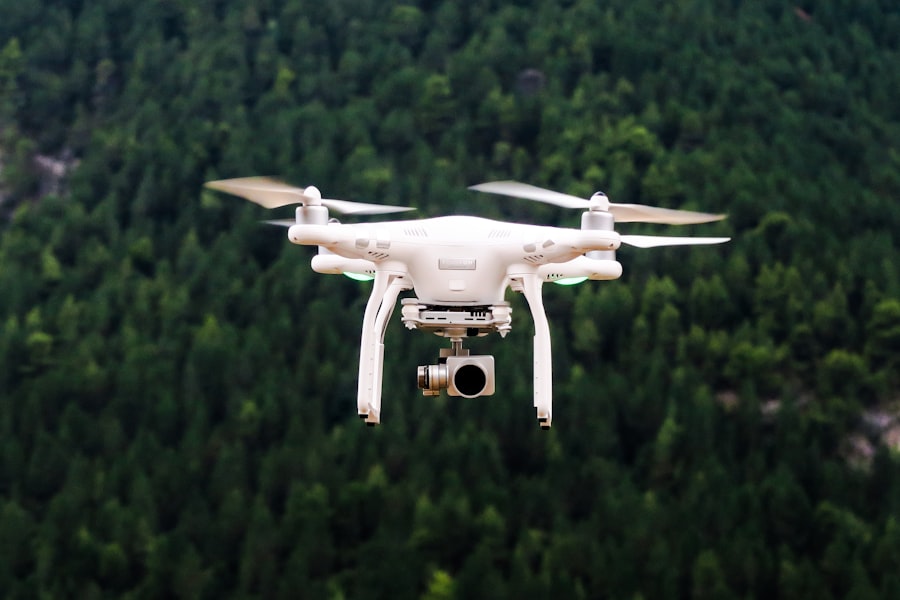
Selecting the right roof inspection drone involves careful consideration of your specific requirements and preferences. Start by assessing your budget; while there are high-end models with advanced features, there are also more affordable options that may suit your needs without breaking the bank. Determine what features are most important to you—whether it’s camera quality, flight time, or ease of use—and prioritize those in your search.
Additionally, consider whether you need a drone that offers advanced capabilities such as thermal imaging or autonomous flying features. If you’re new to drone operation, look for models that come with user-friendly interfaces and comprehensive tutorials to help you get started. Reading reviews from other users can also provide valuable insights into a drone’s performance and reliability.
Safety Considerations When Using Roof Inspection Drones
While drones significantly enhance safety during roof inspections compared to traditional methods, there are still important safety considerations to keep in mind. First and foremost, always adhere to local regulations regarding drone usage. This includes understanding no-fly zones and obtaining any necessary permits before conducting inspections in certain areas.
Before launching your drone, conduct a pre-flight check to ensure that all components are functioning correctly. Inspect the battery levels, propellers, and camera settings to avoid any malfunctions during flight. Additionally, be mindful of weather conditions; strong winds or rain can impact your drone’s stability and performance.
If conditions are unfavorable, it’s best to postpone your inspection until it’s safe to fly.
Future Trends in Roof Inspection Drones
As technology continues to evolve, so too will the capabilities of roof inspection drones. One exciting trend is the integration of artificial intelligence (AI) into drone systems. AI can enhance image analysis by automatically identifying potential issues such as cracks or leaks in real-time, streamlining the inspection process even further.
Another trend is the development of more advanced thermal imaging technology that provides even greater detail in identifying heat loss or moisture intrusion. As these technologies become more accessible and affordable, you’ll find that roof inspections will become increasingly efficient and accurate. Moreover, advancements in battery technology may lead to longer flight times and improved performance in challenging weather conditions.
As drones become more sophisticated, they will likely play an even more critical role in maintaining the integrity of roofing systems across various industries. In conclusion, roof inspection drones represent a significant advancement in how you approach this essential task. By understanding their key features, benefits, and proper usage techniques, you can make informed decisions that enhance both safety and efficiency in your inspections.
As technology continues to evolve, staying abreast of trends will ensure that you remain at the forefront of this innovative field.
If you are interested in learning more about residential roofing services, be sure to check out this article on Roofing Contractors HQ. It provides valuable information on the different types of roofing services available for homeowners. Whether you are in need of repairs, replacements, or installations, this article can help guide you in the right direction.
FAQs
What are roof inspection drones?
Roof inspection drones are unmanned aerial vehicles equipped with cameras and sensors that are used to inspect the condition of roofs on buildings and structures.
How do roof inspection drones work?
Roof inspection drones are flown over the roof of a building, capturing high-resolution images and videos of the entire surface. These images are then analyzed to identify any damage, wear and tear, or potential issues with the roof.
What are the benefits of using roof inspection drones?
Using roof inspection drones can provide a safer, more efficient, and cost-effective way to inspect roofs. Drones can access hard-to-reach areas, reduce the need for manual inspections, and provide detailed and accurate data for analysis.
What features should I look for in a roof inspection drone?
When choosing a roof inspection drone, it’s important to consider factors such as camera quality, flight time, stability in windy conditions, obstacle avoidance technology, and ease of use.
Are there any regulations or restrictions for using roof inspection drones?
Yes, there are regulations and restrictions for using drones, including obtaining the necessary permits and following local aviation laws. It’s important to be aware of these regulations and comply with them when using drones for roof inspections.