
When you think about working on a roof, safety should be your foremost concern. The heights, the angles, and the potential for slips and falls make roofing one of the most hazardous professions. Roof safety equipment is not just a recommendation; it is a necessity.
By prioritizing safety, you not only protect yourself but also ensure that your team can work efficiently without the looming threat of accidents. The importance of roof safety equipment cannot be overstated, as it serves as a critical line of defense against serious injuries or fatalities. Moreover, using proper safety equipment fosters a culture of responsibility and care within your team.
When everyone is equipped with the right tools and gear, it creates an environment where safety is valued and prioritized. This collective mindset can lead to fewer accidents and a more productive work atmosphere. Investing in roof safety equipment is not merely about compliance with regulations; it’s about safeguarding lives and promoting a sustainable work ethic that values human life above all else.
Key Takeaways
- Roof safety equipment is crucial for preventing falls and injuries on construction sites
- There are various types of roof safety equipment, including harnesses, lanyards, anchors, guardrails, and roofing boots
- Harnesses and lanyards are essential for providing fall protection and should be properly fitted and inspected regularly
- Roof anchors and brackets are used to secure harnesses and lanyards to the roof structure
- Guardrails and toeboards provide a physical barrier to prevent falls and should be installed around the perimeter of the roof
Types of Roof Safety Equipment
Understanding the various types of roof safety equipment available is essential for anyone involved in roofing projects. Each piece of equipment serves a specific purpose and can significantly reduce the risk of accidents. Common types include harnesses, lanyards, roof anchors, guardrails, toeboards, and personal protective equipment (PPE).
Familiarizing yourself with these tools will empower you to make informed decisions about what is necessary for your specific project. In addition to the basic types of equipment, there are also specialized tools designed for unique roofing situations. For instance, some roofs may require temporary guardrails or custom anchor points to accommodate unusual angles or heights.
By recognizing the full spectrum of available safety equipment, you can tailor your approach to meet the specific challenges posed by each roofing job. This proactive mindset not only enhances safety but also boosts overall efficiency on the job site.
Harnesses and Lanyards
Harnesses and lanyards are among the most critical components of roof safety equipment. A harness is designed to secure you in place, distributing the force of a fall across your body to minimize injury. When selecting a harness, ensure it fits properly and is rated for the type of work you will be doing.
A well-fitted harness allows for freedom of movement while still providing the necessary support and security. Lanyards complement harnesses by connecting you to a secure anchor point. They come in various styles, including shock-absorbing lanyards that reduce the impact force during a fall.
It’s essential to choose a lanyard that matches your specific needs and complies with safety standards. Regularly inspecting both harnesses and lanyards for wear and tear is crucial; even minor damage can compromise their effectiveness. By understanding how to properly use and maintain these tools, you can significantly enhance your safety while working at heights.
Roof Anchors and Brackets
Roof anchors and brackets play a vital role in ensuring your safety while working on sloped or flat roofs. These devices provide secure attachment points for your harness and lanyard, allowing you to work confidently without the fear of falling. Roof anchors can be permanent or temporary, depending on the nature of your project.
Permanent anchors are typically installed during the construction phase and remain in place for future maintenance work, while temporary anchors are used for specific jobs and removed afterward. Brackets serve a similar purpose but are often used to create stable platforms for workers. They can support scaffolding or provide additional stability when working on steep roofs.
When selecting roof anchors and brackets, consider factors such as load capacity, installation method, and compatibility with other safety equipment. Proper installation is crucial; if an anchor or bracket is not securely fastened, it could lead to catastrophic failures. By understanding the importance of these devices, you can create a safer working environment for yourself and your team.
Guardrails and Toeboards
Guardrails and toeboards are essential components of roof safety that help prevent falls from edges and provide additional protection against falling objects. Guardrails act as barriers along the perimeter of a roof, creating a physical boundary that keeps workers from accidentally stepping off the edge. They should be installed at a height that meets safety regulations and should be sturdy enough to withstand significant force.
Toeboards serve as an additional layer of protection by preventing tools or materials from sliding off the edge of the roof. They are particularly important when working on steep slopes or in windy conditions where items can easily be dislodged. Both guardrails and toeboards should be regularly inspected for stability and integrity to ensure they remain effective throughout the duration of your project.
By incorporating these elements into your roofing safety plan, you can significantly reduce the risk of accidents related to falls or falling objects.
Roofing Boots and Personal Protective Equipment
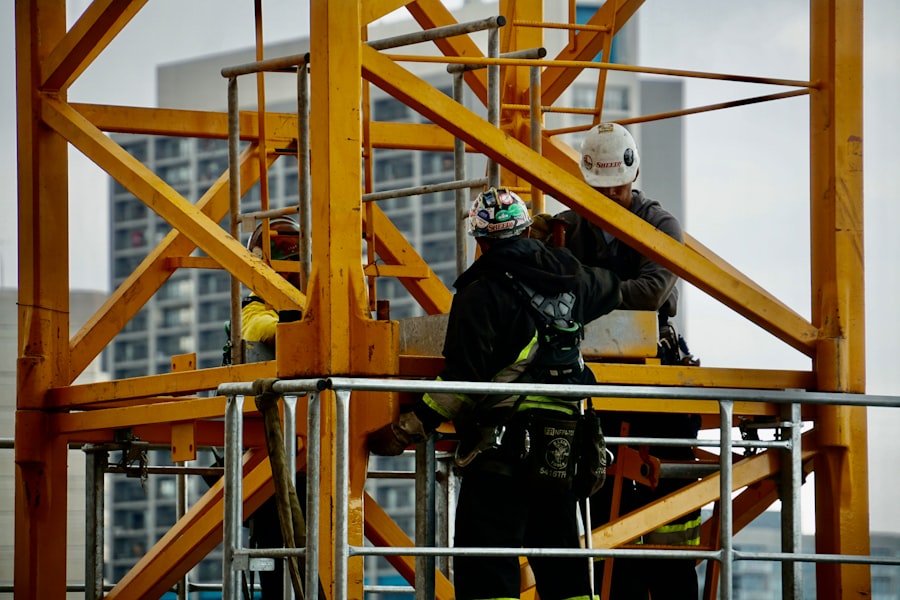
Your choice of footwear can greatly impact your safety while working on roofs. Roofing boots are specifically designed to provide traction, support, and protection against sharp objects or extreme temperatures. Look for boots with slip-resistant soles to minimize the risk of slipping on wet or uneven surfaces.
Additionally, consider boots that offer ankle support to help prevent injuries from twisting or rolling your ankle while navigating steep pitches. Personal protective equipment (PPE) extends beyond just footwear; it includes hard hats, gloves, eye protection, and hearing protection as well. Each piece of PPE serves a unique purpose in safeguarding you from potential hazards on the job site.
For instance, hard hats protect against falling debris, while gloves can shield your hands from cuts or abrasions. By equipping yourself with appropriate PPE, you create an additional layer of defense against workplace injuries, allowing you to focus on your tasks with greater peace of mind.
Inspection and Maintenance of Roof Safety Equipment
Regular inspection and maintenance of roof safety equipment are crucial for ensuring its effectiveness when you need it most. Before starting any roofing project, take the time to thoroughly inspect all equipment for signs of wear or damage. Look for frayed straps on harnesses, rust on anchors, or cracks in guardrails—any indication that equipment may not perform as intended should be addressed immediately.
In addition to pre-project inspections, establish a routine maintenance schedule for all safety equipment. This could involve cleaning gear after use, checking for proper functionality, and replacing any worn-out components promptly. Keeping detailed records of inspections and maintenance activities can also help you stay organized and ensure compliance with safety regulations.
By prioritizing regular checks and upkeep, you can significantly extend the lifespan of your safety equipment while enhancing overall workplace safety.
Choosing the Right Roof Safety Equipment for Your Project
Selecting the right roof safety equipment for your project requires careful consideration of various factors, including the type of roofing work being performed, the height at which you will be working, and any specific hazards associated with the job site. Start by assessing the unique challenges posed by your project; this will help you determine which types of equipment are necessary for optimal safety. Consulting with experienced professionals or safety experts can also provide valuable insights into what equipment will best suit your needs.
They can guide you in selecting high-quality products that meet industry standards while ensuring compatibility with other gear you may already have. Remember that investing in quality roof safety equipment is an investment in your well-being; it pays dividends in terms of reduced risk and increased peace of mind while working at heights. In conclusion, prioritizing roof safety through proper equipment selection and maintenance is essential for anyone involved in roofing projects.
By understanding the importance of various safety tools—from harnesses to guardrails—you can create a safer work environment that protects both yourself and your team members. Always remember that safety should never be compromised; it is an integral part of every successful roofing job.
If you are interested in learning more about the benefits of green roof installation, be sure to check out this article. Green roofs not only provide environmental benefits but can also improve the overall energy efficiency of a building. Additionally, if you are in need of roofing contractors in Glendale, Arizona, you can find more information in this article. And for those looking to explore the innovative use of virtual reality in the roofing industry, be sure to read about virtual reality applications in roofing.
FAQs
What is roof safety equipment?
Roof safety equipment refers to any tools or devices designed to protect workers from falls and other hazards while working on a roof. This can include harnesses, lanyards, anchor points, guardrails, and more.
Why is roof safety equipment important?
Roof safety equipment is important because working on a roof can be dangerous, and falls from heights can result in serious injury or even death. Using the proper safety equipment can help prevent accidents and keep workers safe.
What are some common types of roof safety equipment?
Common types of roof safety equipment include harnesses, lanyards, anchor points, guardrails, safety nets, and personal protective equipment such as hard hats and non-slip footwear.
How do I choose the right roof safety equipment?
When choosing roof safety equipment, it’s important to consider the specific requirements of the job, as well as any relevant regulations and standards. It’s also important to ensure that the equipment is properly certified and meets all necessary safety requirements.
Are there any regulations or standards for roof safety equipment?
Yes, there are regulations and standards set by organizations such as OSHA (Occupational Safety and Health Administration) and ANSI (American National Standards Institute) that govern the use of roof safety equipment. It’s important to be familiar with and comply with these regulations when selecting and using safety equipment.