
When it comes to maintaining the integrity of your commercial property, roof inspections play a crucial role. The roof is your building’s first line of defense against the elements, and any compromise can lead to significant issues down the line. Regular inspections help you identify potential problems before they escalate, saving you time, money, and stress.
By prioritizing roof inspections, you ensure that your investment remains protected and that your business operations can continue uninterrupted. Moreover, a well-maintained roof contributes to the overall safety and comfort of your building. Leaks or structural weaknesses can pose risks not only to the property but also to the people who work or visit there.
By conducting routine inspections, you demonstrate a commitment to safety and responsibility, which can enhance your reputation among clients and employees alike. In essence, regular commercial roof inspections are not just about preserving the physical structure; they are about safeguarding your business’s future.
Key Takeaways
- Regular commercial roof inspections are important for maintaining the integrity and longevity of the roof, as well as for identifying and addressing potential issues before they become major problems.
- Before a commercial roof inspection, it is important to prepare by gathering all relevant documentation, clearing the area around the roof, and ensuring that the inspector has access to all necessary areas.
- During a commercial roof inspection, the inspector will assess the condition of the roof, including the membrane, flashing, drains, and any other components, to identify any signs of damage or wear.
- Common issues found during commercial roof inspections include leaks, punctures, blistering, ponding water, and damage from weather or foot traffic.
- Proper documentation and reporting of the findings from a commercial roof inspection are essential for tracking the condition of the roof over time and for making informed decisions about maintenance and repairs.
Preparing for a Commercial Roof Inspection
Preparation is key when it comes to a successful commercial roof inspection. Before the inspection takes place, you should gather all relevant documentation regarding the roof’s history, including previous inspection reports, maintenance records, and any warranties that may be in effect. This information will provide the inspector with valuable context and help them identify areas that may require closer scrutiny.
Additionally, having this documentation on hand can streamline the inspection process and ensure that nothing is overlooked. You should also take the time to clear the roof of any debris or obstacles that could hinder the inspection. This includes removing leaves, branches, or any equipment that may be stored on the roof.
A clean surface allows for a more thorough examination and helps the inspector access all areas of the roof easily. Furthermore, consider informing your staff about the upcoming inspection so they can avoid any disruptions during the process. By taking these preparatory steps, you set the stage for a comprehensive and effective roof inspection.
Conducting a Commercial Roof Inspection
The actual process of conducting a commercial roof inspection involves a systematic approach to evaluating the condition of the roof. An experienced inspector will typically start by assessing the overall structure, looking for signs of wear and tear, such as cracks, blisters, or sagging areas. They will also examine flashings, seams, and penetrations where leaks are most likely to occur.
This thorough examination is essential for identifying both visible and hidden issues that could compromise the roof’s integrity. In addition to visual assessments, inspectors may utilize specialized tools and technology to enhance their evaluation. For instance, infrared thermography can detect moisture trapped beneath the surface of the roofing material, which may not be visible to the naked eye.
This advanced technique allows for a more accurate assessment of potential problem areas. By combining traditional inspection methods with modern technology, you can gain a comprehensive understanding of your roof’s condition and make informed decisions about necessary repairs or maintenance.
Common Issues Found During Commercial Roof Inspections
During commercial roof inspections, several common issues often come to light. One prevalent problem is water pooling, which occurs when drainage systems are inadequate or blocked. Standing water can lead to significant damage over time, including leaks and structural deterioration.
Identifying this issue early on allows you to address drainage problems before they escalate into costly repairs. Another frequent concern is damage to roofing materials caused by weather conditions or age. For instance, UV rays from the sun can degrade certain materials over time, leading to cracks or brittleness.
Similarly, harsh weather events like hail or heavy winds can cause physical damage that may not be immediately apparent. By recognizing these issues during an inspection, you can take proactive measures to extend the life of your roof and prevent further complications.
Documentation and Reporting for Commercial Roof Inspections
Once the inspection is complete, thorough documentation is essential for tracking the condition of your roof over time. A detailed report should outline all findings from the inspection, including photographs of any issues discovered and recommendations for repairs or maintenance. This documentation serves as a valuable resource for future inspections and helps you maintain a clear record of your roof’s history.
In addition to providing insights into current conditions, well-organized documentation can also be beneficial when dealing with insurance claims or warranty issues. If damage occurs after an inspection has been conducted, having a comprehensive report can support your case when seeking compensation or repairs from manufacturers or insurance providers. By prioritizing documentation and reporting after each inspection, you create a reliable reference point for managing your commercial roof effectively.
Addressing Issues Found During Commercial Roof Inspections

Once issues have been identified during a commercial roof inspection, it is crucial to address them promptly. Ignoring problems can lead to more extensive damage and higher repair costs in the long run. Depending on the severity of the issues found, you may need to engage professional roofing contractors to carry out necessary repairs or maintenance work.
This could range from simple patching of leaks to more extensive renovations if structural damage is detected. In some cases, addressing issues may also involve upgrading certain components of your roofing system. For example, if drainage problems are identified as a recurring issue, it might be worth investing in improved drainage solutions to prevent future complications.
By taking swift action on identified problems, you not only protect your investment but also enhance the longevity and performance of your commercial roof.
Benefits of Regular Commercial Roof Inspections
Regular commercial roof inspections offer numerous benefits that extend beyond mere maintenance. One significant advantage is cost savings; by identifying and addressing minor issues before they escalate into major repairs, you can save substantial amounts of money over time. Additionally, routine inspections can help extend the lifespan of your roofing system, allowing you to maximize your investment.
Another benefit is improved energy efficiency. A well-maintained roof contributes to better insulation and temperature regulation within your building, which can lead to lower energy bills. Furthermore, regular inspections help ensure compliance with local building codes and regulations, reducing the risk of fines or legal complications down the line.
Ultimately, investing in regular commercial roof inspections is an investment in the overall health and efficiency of your property.
Hiring a Professional for Commercial Roof Inspections
While some property owners may consider conducting their own inspections, hiring a professional is often the best course of action. Experienced roofing inspectors possess specialized knowledge and training that enables them to identify issues that may go unnoticed by untrained eyes. They are familiar with various roofing systems and materials and understand how different factors can affect their performance over time.
Moreover, professional inspectors have access to advanced tools and technologies that enhance their ability to assess your roof accurately. By entrusting this task to experts, you gain peace of mind knowing that your property is in capable hands. Ultimately, hiring a professional for commercial roof inspections not only ensures thorough evaluations but also provides you with actionable insights that can guide your maintenance strategy moving forward.
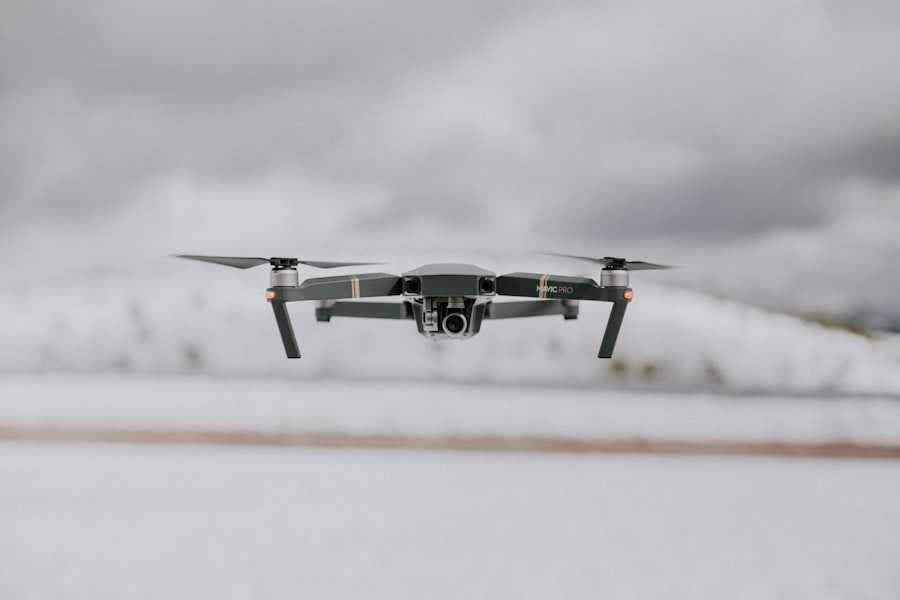
If you are interested in learning more about innovative technologies used in roof inspections, check out this article on drones in roof inspections. Drones are becoming increasingly popular in the roofing industry for their ability to provide detailed and accurate assessments of commercial roofs. This technology can streamline the inspection process and help roofing contractors identify potential issues more efficiently.
FAQs
What is a commercial roof inspection?
A commercial roof inspection is a thorough assessment of the condition of a commercial building’s roof. It is typically conducted by a professional roofing contractor to identify any issues or potential problems with the roof.
Why is a commercial roof inspection important?
A commercial roof inspection is important because it helps identify any existing or potential issues with the roof, such as leaks, damage, or deterioration. Identifying these issues early can help prevent more costly repairs or replacements in the future.
How often should a commercial roof be inspected?
It is recommended that a commercial roof be inspected at least twice a year, typically in the spring and fall. Additionally, it should be inspected after severe weather events such as storms or heavy winds.
What does a commercial roof inspection process involve?
The commercial roof inspection process typically involves a thorough visual inspection of the roof surface, as well as an examination of the roof’s interior and exterior components. This may include checking for signs of damage, leaks, deterioration, and proper drainage.
Who should conduct a commercial roof inspection?
A commercial roof inspection should be conducted by a professional roofing contractor with experience in commercial roofing systems. It is important to hire a qualified and reputable contractor to ensure an accurate assessment of the roof’s condition.
What are the benefits of a commercial roof inspection?
Some of the benefits of a commercial roof inspection include early detection of issues, prevention of costly repairs, prolonging the lifespan of the roof, and ensuring the safety and integrity of the building. Regular inspections can also help maintain the roof’s warranty.