
When you embark on a commercial roofing project, understanding the regulations that govern this field is crucial. Commercial roofing regulations are a set of guidelines and standards designed to ensure the safety, durability, and efficiency of roofing systems. These regulations can vary significantly depending on your location, the type of building, and the materials used.
As a property owner or contractor, familiarizing yourself with these regulations is not just a matter of legal compliance; it is also about safeguarding your investment and ensuring the well-being of those who will occupy the building. Navigating the complex landscape of commercial roofing regulations can seem daunting at first. However, grasping these rules is essential for successful project execution.
From local building codes to environmental considerations, each aspect plays a vital role in determining how your roofing project will unfold. By understanding these regulations, you can avoid costly mistakes and ensure that your roofing system meets all necessary standards.
Key Takeaways
- Commercial roofing regulations are important for ensuring the safety and quality of roofing installations on commercial buildings.
- Compliance with commercial roofing regulations is crucial for avoiding penalties and ensuring the longevity of the roofing system.
- Types of commercial roofing regulations include building codes, environmental regulations, and safety regulations.
- Building codes play a key role in commercial roofing regulations, outlining specific requirements for materials, installation, and maintenance.
- Staying updated on commercial roofing regulations can be achieved through regular training, industry publications, and networking with other professionals in the field.
Importance of Compliance with Commercial Roofing Regulations
Compliance with commercial roofing regulations is paramount for several reasons. First and foremost, adhering to these regulations helps ensure the safety of the building’s occupants. A roof that does not meet established standards can lead to structural failures, leaks, and other issues that compromise the integrity of the building.
By following the regulations, you are taking proactive steps to protect not only your investment but also the lives of those who work or live within the structure. Moreover, compliance can significantly impact your project’s financial viability. Non-compliance can lead to fines, legal issues, and costly rework.
If your roofing system fails to meet local codes or industry standards, you may be required to make expensive modifications or even replace the entire roof. By prioritizing compliance from the outset, you can save yourself from these potential pitfalls and ensure a smoother project timeline.
Types of Commercial Roofing Regulations
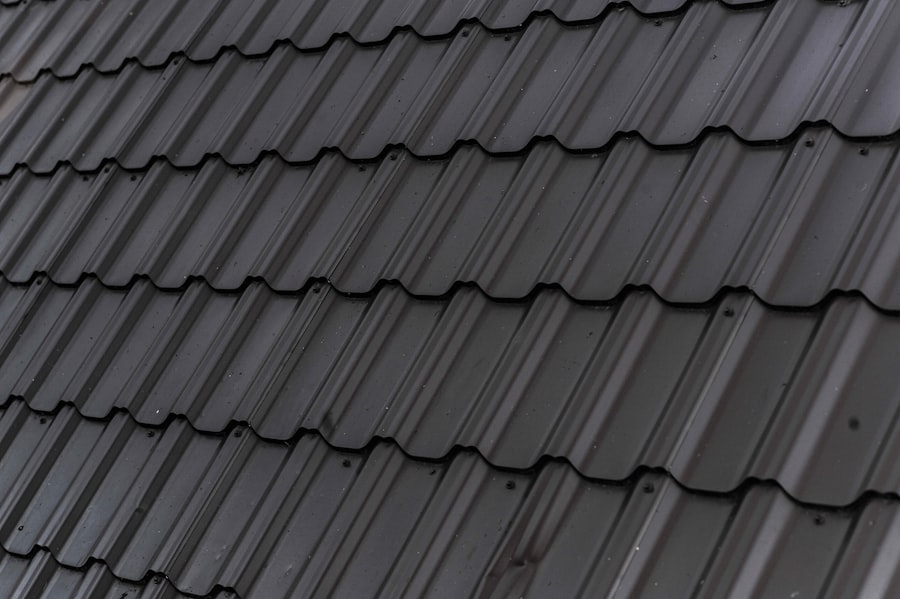
Commercial roofing regulations can be broadly categorized into several types, each addressing different aspects of roofing systems. Building codes are perhaps the most well-known type of regulation, dictating the minimum standards for construction and safety. These codes cover everything from materials used to structural integrity and fire resistance.
Understanding these codes is essential for ensuring that your roofing project meets all necessary requirements. In addition to building codes, there are also environmental regulations that govern how roofing materials are sourced and disposed of. These regulations aim to minimize the environmental impact of construction activities and promote sustainability.
For instance, certain materials may be restricted due to their harmful effects on the environment, while others may be encouraged for their eco-friendly properties. Familiarizing yourself with these regulations can help you make informed choices about the materials you use in your roofing project.
Building Codes and Commercial Roofing Regulations
Building codes are a critical component of commercial roofing regulations. These codes are established by local governments and are designed to ensure that buildings are constructed safely and efficiently. They cover a wide range of topics, including structural design, fire safety, energy efficiency, and accessibility.
When it comes to roofing, building codes dictate everything from the pitch of the roof to the types of materials that can be used. As you plan your commercial roofing project, it is essential to consult your local building codes to ensure compliance. This may involve working closely with architects, engineers, and contractors who are familiar with these regulations.
By doing so, you can avoid potential setbacks during inspections and ensure that your roofing system meets all necessary standards for safety and performance.
Environmental Regulations and Commercial Roofing
Environmental regulations play an increasingly important role in commercial roofing projects. These regulations are designed to protect natural resources and promote sustainable practices within the construction industry. For example, many jurisdictions have implemented guidelines regarding the use of environmentally friendly materials, such as recycled or renewable resources.
Additionally, there may be restrictions on certain materials known to contribute to pollution or environmental degradation. As a property owner or contractor, understanding these environmental regulations is essential for making responsible choices in your roofing project. Not only can compliance with these regulations enhance your project’s sustainability profile, but it can also improve its marketability.
Many clients today prioritize eco-friendly practices, and demonstrating adherence to environmental regulations can set you apart from competitors.
Safety Regulations for Commercial Roofing
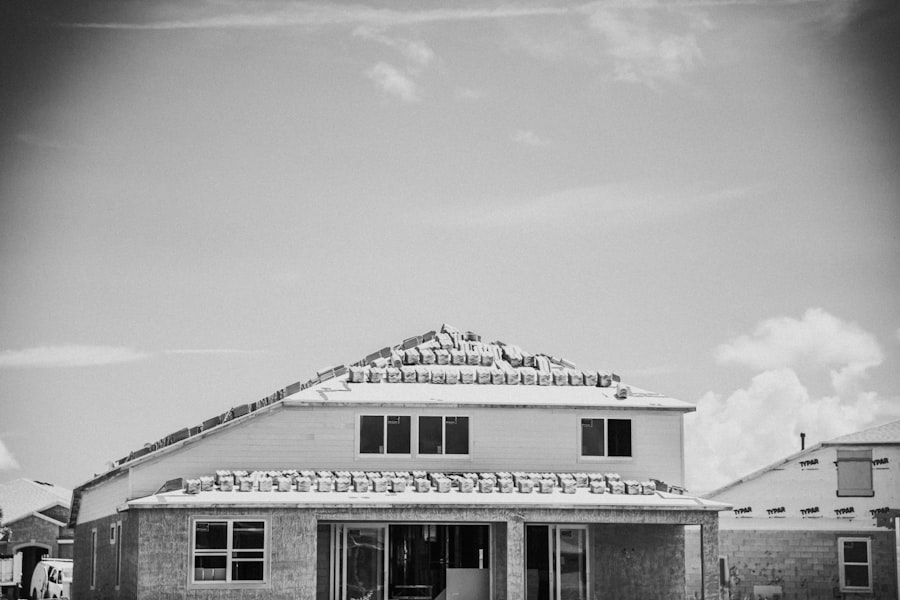
Safety regulations are another critical aspect of commercial roofing that cannot be overlooked. The roofing industry is inherently hazardous, with workers often exposed to dangerous heights and various weather conditions. To mitigate these risks, safety regulations have been established to protect workers on commercial roofing sites.
These regulations cover everything from personal protective equipment (PPE) requirements to fall protection measures. As you engage in a commercial roofing project, it is vital to prioritize safety for both workers and occupants. This means ensuring that all personnel are trained in safety protocols and equipped with the necessary PPE.
Additionally, implementing fall protection systems and conducting regular safety inspections can help prevent accidents on the job site. By adhering to safety regulations, you not only protect your workers but also reduce liability risks associated with workplace injuries.
Penalties for Non-Compliance with Commercial Roofing Regulations
Failing to comply with commercial roofing regulations can result in severe penalties that can impact your project and finances significantly. Depending on the nature of the violation, penalties may include fines, legal action, or even a halt in construction until compliance is achieved. In some cases, non-compliance can lead to mandatory rework or replacement of roofing systems that do not meet established standards.
The financial implications of non-compliance can be staggering. Beyond immediate fines, you may face increased insurance premiums or difficulty securing future contracts if your reputation is tarnished by regulatory violations. Therefore, it is in your best interest to prioritize compliance throughout your commercial roofing project to avoid these potential consequences.
How to Stay Updated on Commercial Roofing Regulations
Staying updated on commercial roofing regulations is essential for anyone involved in the industry. Regulations can change frequently due to new legislation or evolving industry standards, making it crucial for you to remain informed. One effective way to stay updated is by subscribing to industry publications and newsletters that provide insights into regulatory changes and best practices.
Additionally, attending industry conferences and workshops can offer valuable opportunities for networking and learning about the latest developments in commercial roofing regulations. Engaging with professional organizations and trade associations can also provide access to resources that keep you informed about changes in local building codes and environmental standards. By actively seeking out information and resources, you can ensure that your knowledge remains current and relevant in this ever-evolving field.
In conclusion, understanding commercial roofing regulations is vital for anyone involved in this sector. From ensuring safety and compliance with building codes to navigating environmental considerations and safety protocols, being well-versed in these regulations will ultimately lead to more successful projects and satisfied clients. By prioritizing compliance and staying informed about regulatory changes, you can protect your investment while contributing positively to the industry as a whole.
When it comes to commercial roofing regulations, it is crucial to hire a professional roofing contractor who is well-versed in local building codes and regulations. In fact, a recent article on the importance of hiring a professional roofing contractor highlights the significance of working with experts who understand the complexities of roofing projects and can ensure compliance with all necessary regulations. This article emphasizes the value of hiring professionals who can navigate the intricacies of commercial roofing regulations, such as those in Lincoln, Nebraska, as discussed in another informative piece on roofing contractors in Lincoln, Nebraska. By partnering with experienced professionals, businesses can rest assured that their roofing projects will be completed in accordance with all relevant regulations and standards.
FAQs
What are commercial roofing regulations?
Commercial roofing regulations are rules and standards set by local, state, and federal authorities that govern the design, installation, and maintenance of commercial roofing systems. These regulations are in place to ensure the safety, durability, and performance of commercial roofs.
Why are commercial roofing regulations important?
Commercial roofing regulations are important to ensure that commercial buildings have safe and reliable roofing systems. Compliance with these regulations helps to prevent accidents, protect the structural integrity of buildings, and promote energy efficiency.
What do commercial roofing regulations typically cover?
Commercial roofing regulations typically cover aspects such as building codes, fire safety standards, structural requirements, material specifications, insulation and ventilation guidelines, and environmental considerations. These regulations may vary depending on the location and type of commercial building.
Who is responsible for ensuring compliance with commercial roofing regulations?
The responsibility for ensuring compliance with commercial roofing regulations typically falls on building owners, property managers, contractors, and roofing professionals. It is important for all parties involved in the design, construction, and maintenance of commercial roofs to be aware of and adhere to the relevant regulations.
How can I find out about commercial roofing regulations in my area?
To find out about commercial roofing regulations in your area, you can contact your local building department, consult building codes and regulations specific to your region, or seek guidance from experienced roofing professionals who are familiar with local requirements. It is important to stay informed about the latest regulations and updates that may impact commercial roofing projects.