
Elevating Sustainability: The Power of Energy-Efficient Roofing Materials
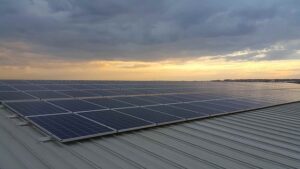
Energy-Efficient Roofing Materials
In the quest for a greener and more sustainable future, the spotlight is increasingly turning towards energy-efficient roofing materials. These innovative solutions not only contribute to a reduced environmental footprint but also offer practical benefits that can transform the way we think about roofing. Here’s a concise guide to understanding the significance of energy-efficient roofing materials:
1. Energy Savings at Their Core
Energy-efficient roofing materials are designed to minimize heat absorption, reflecting a significant portion of the sun’s rays. This translates to lower indoor temperatures, reduced air conditioning needs, and ultimately, substantial energy savings.
2. Cool Roofing – Beyond the Color
Cool roofing materials, often light-colored or coated with reflective surfaces, help maintain a cooler indoor environment by reflecting sunlight. They can contribute to a substantial reduction in cooling costs and energy consumption.
3. The Insulation Advantage
Energy-efficient roofing materials are often integrated with superior insulation properties. This insulation helps in maintaining a consistent indoor temperature, requiring less energy for heating during colder months.
4. Environmentally Friendly Choices
Materials like metal, cool roofing membranes, and sustainable shingles are not just efficient; they are also often made from recycled materials, reducing the demand for new resources and minimizing waste.
5. Solar-Ready Roofing
Some energy-efficient roofing materials are designed to accommodate solar panels seamlessly. These “solar-ready” roofs enable homeowners to harness the power of renewable energy and further offset energy costs.
6. Durability and Longevity
Many energy-efficient roofing materials are built to last, reducing the need for frequent replacements. This not only saves money but also prevents additional resource consumption.
7. Regulatory Benefits
In some areas, using energy-efficient roofing materials can lead to tax incentives, rebates, or even building code credits, encouraging their adoption.
8. Reduction in Urban Heat Island Effect
Energy-efficient roofing materials contribute to lowering the urban heat island effect, where urban areas are significantly warmer than their rural surroundings. This helps create a more comfortable and sustainable living environment.
9. Lesser Environmental Impact
By reducing energy consumption and utilizing recycled materials, energy-efficient roofing contributes to less air pollution and greenhouse gas emissions, making it a part of the solution to combat climate change.
10. A Wise Investment for the Future
While the initial cost of energy-efficient roofing materials may be slightly higher, the long-term benefits in terms of energy savings, reduced maintenance, and environmental stewardship make them a sound and forward-thinking investment.
In conclusion, the choice of energy-efficient roofing materials goes beyond aesthetics and convenience. It is a proactive step towards a more sustainable and eco-conscious lifestyle. By embracing these innovative roofing solutions, individuals can not only enjoy a more energy-efficient home but also play a crucial role in building a greener world.
RELATED SEARCH TERMS ABOUT ENERGY-EFFICIENT ROOFING MATERIALS:
- Sustainable Roofing Solutions: Exploring the Power of Energy-Efficient Materials
- Eco-Friendly Roofing: Unveiling the Benefits of Energy-Efficient Materials
- Energy-Efficient Roofing: Redefining Sustainability in the Modern Age
- Cool Roofing Advancements: Energy Efficiency for a Greener Future
- Beyond Aesthetics: The Economic and Environmental Value of Energy-Efficient Roofing
- Insulating the Future: How Energy-Efficient Roofing Materials Impact Savings
- Solar-Ready and Sustainable: Energy-Efficient Roofing for a Brighter Tomorrow
- From Tax Incentives to Green Living: The Multifaceted Advantages of Energy-Efficient Roofing
- Combating Urban Heat with Energy-Efficient Roofing: A Holistic Approach to Sustainability
- Investing in Longevity: Energy-Efficient Roofing as a Pillar of Eco-Friendly Architecture