
When you think about roofing, your mind might immediately jump to aesthetics or durability. However, energy-efficient roofing is a crucial aspect that deserves your attention. This type of roofing is designed to minimize energy consumption, thereby reducing your utility bills and your carbon footprint.
By utilizing materials and technologies that reflect sunlight and insulate your home effectively, energy-efficient roofing can significantly enhance your home’s overall energy performance. Understanding the principles behind this innovative approach can empower you to make informed decisions about your roofing options. Energy-efficient roofing systems often incorporate reflective materials that help to deflect solar radiation, keeping your home cooler during the hot months.
This not only reduces the need for air conditioning but also contributes to a more comfortable living environment. Additionally, these roofs are designed to provide better insulation, which helps maintain a consistent indoor temperature throughout the year. By grasping the fundamentals of energy-efficient roofing, you can appreciate its role in promoting sustainability and energy conservation in your home.
Key Takeaways
- Energy-efficient roofing helps reduce energy consumption and lower utility bills
- Benefits of energy-efficient roofing include improved indoor comfort and reduced environmental impact
- Types of energy-efficient roofing materials include cool roofs, green roofs, and solar panels
- Factors to consider when choosing energy-efficient roofing include climate, building design, and budget
- Proper installation and maintenance are crucial for maximizing the energy-saving potential of energy-efficient roofing
Benefits of Energy-efficient Roofing
The advantages of energy-efficient roofing extend far beyond mere cost savings. One of the most significant benefits is the reduction in energy consumption, which translates into lower utility bills. When you invest in a roof that reflects heat and provides superior insulation, you can expect to see a noticeable decrease in your heating and cooling expenses.
This financial relief can be particularly beneficial for homeowners in regions with extreme weather conditions, where energy costs can skyrocket. Moreover, energy-efficient roofing contributes positively to the environment. By lowering your energy consumption, you are also reducing greenhouse gas emissions associated with electricity generation.
This eco-friendly approach not only helps combat climate change but also enhances the overall sustainability of your home. Additionally, many energy-efficient roofing materials are made from recycled or sustainable resources, further minimizing their environmental impact. By choosing an energy-efficient roof, you are making a conscious choice to support a healthier planet for future generations.
Types of Energy-efficient Roofing Materials
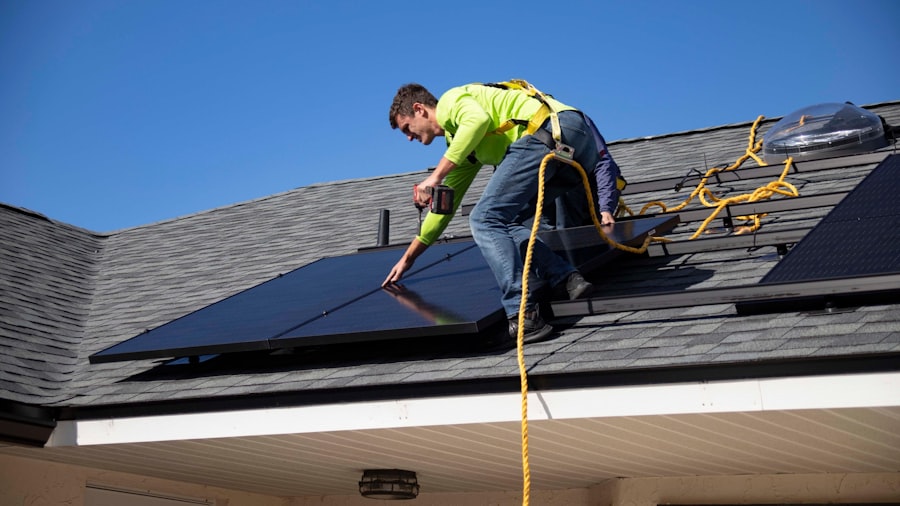
When it comes to selecting energy-efficient roofing materials, you have a variety of options at your disposal. One popular choice is reflective metal roofing, which is known for its ability to reflect sunlight and reduce heat absorption. This type of roofing is not only durable but also available in various colors and styles, allowing you to maintain your home’s aesthetic appeal while reaping the benefits of energy efficiency.
Another option is cool roofing materials, which are specifically designed to reflect more sunlight than traditional roofing products. These materials can include specially coated asphalt shingles or tiles that help keep your home cooler during hot weather. Additionally, green roofs—roofs covered with vegetation—are gaining popularity as they provide natural insulation and absorb rainwater, further enhancing their energy efficiency.
By exploring these diverse materials, you can find the perfect fit for your home while prioritizing energy conservation.
Factors to Consider When Choosing Energy-efficient Roofing
Selecting the right energy-efficient roofing system involves several critical factors that you should carefully consider. First and foremost, you need to evaluate your local climate. Different regions experience varying temperatures and weather patterns, which can influence the effectiveness of certain roofing materials.
For instance, if you live in a hot climate, reflective materials may be more beneficial than in cooler areas where insulation is a priority. Another essential factor is the slope and design of your roof. The angle of your roof can affect how much sunlight it receives and how well it can shed water.
A steeply pitched roof may benefit from different materials compared to a flat roof. Additionally, consider the architectural style of your home; some materials may complement your design better than others. By taking these factors into account, you can make a more informed decision that aligns with both your aesthetic preferences and energy efficiency goals.
Installation and Maintenance of Energy-efficient Roofing
Proper installation is crucial for maximizing the benefits of energy-efficient roofing. It’s essential to hire experienced professionals who understand the specific requirements of the materials you choose. A well-installed roof will not only perform better but will also have a longer lifespan, saving you money in the long run.
During installation, ensure that all components—such as underlayment and ventilation systems—are correctly integrated to optimize energy efficiency. Maintenance is another vital aspect that should not be overlooked. Regular inspections and upkeep will help ensure that your energy-efficient roof continues to perform at its best.
This includes cleaning debris from gutters and checking for any signs of wear or damage. By staying proactive with maintenance, you can extend the life of your roof and maintain its energy-saving capabilities.
Cost Considerations for Energy-efficient Roofing

While the initial investment in energy-efficient roofing may be higher than traditional options, it’s essential to consider the long-term savings it can provide. Lower energy bills can quickly offset the upfront costs, making it a financially sound decision over time. Additionally, many local governments offer incentives or rebates for homeowners who choose energy-efficient upgrades, which can further alleviate initial expenses.
When evaluating costs, consider not only the price of materials but also installation expenses and potential maintenance needs. Some materials may require more upkeep than others, which could impact your overall budget in the long run. By conducting thorough research and obtaining multiple quotes from contractors, you can make a well-informed decision that balances quality with affordability.
Case Studies of Energy-efficient Roofing Success Stories
Real-world examples can provide valuable insights into the effectiveness of energy-efficient roofing systems. For instance, a family in Arizona decided to replace their traditional asphalt shingles with reflective metal roofing after experiencing soaring summer cooling costs. Following the installation, they reported a 30% reduction in their monthly energy bills, allowing them to allocate those savings toward other home improvements.
Another success story comes from a commercial building in New York City that implemented a green roof system. Not only did this initiative improve insulation and reduce heating costs during winter months, but it also created a green space for employees to enjoy during breaks. The building’s owners noted an increase in employee satisfaction and productivity as a result of this investment in energy efficiency and aesthetics.
Future Trends in Energy-efficient Roofing Technology
As technology continues to evolve, so too does the landscape of energy-efficient roofing solutions. One exciting trend is the development of solar shingles that integrate seamlessly into traditional roofing systems while generating electricity from sunlight. This innovation allows homeowners to harness renewable energy without compromising on aesthetics or functionality.
Additionally, advancements in smart roofing technologies are on the horizon. These systems can monitor temperature fluctuations and adjust insulation levels accordingly, optimizing energy use in real-time. As these technologies become more accessible and affordable, they will likely play a significant role in shaping the future of energy-efficient roofing solutions.
In conclusion, understanding energy-efficient roofing is essential for making informed decisions about your home’s sustainability and cost-effectiveness. With numerous benefits ranging from reduced utility bills to environmental impact, investing in this type of roofing is a wise choice for any homeowner looking to enhance their property’s performance while contributing positively to the planet’s health. By considering various materials, installation practices, and future trends, you can ensure that your investment pays off for years to come.
If you are interested in learning more about energy-efficient roofing, you may want to check out this article on contemporary roofing styles. This article discusses how modern roofing materials and designs can help improve energy efficiency in homes. By exploring different roofing options, homeowners can make informed decisions that not only enhance the aesthetic appeal of their property but also reduce energy costs in the long run.
FAQs
What is energy-efficient roofing?
Energy-efficient roofing refers to roofing materials and designs that are specifically engineered to reduce the amount of energy needed to heat and cool a building. These materials and designs can help to lower energy costs and reduce the environmental impact of a building.
What are some examples of energy-efficient roofing materials?
Some examples of energy-efficient roofing materials include cool roofs, which are designed to reflect more sunlight and absorb less heat than traditional roofs, and green roofs, which are covered with vegetation to provide insulation and reduce the urban heat island effect.
How does energy-efficient roofing help to reduce energy costs?
Energy-efficient roofing can help to reduce energy costs by reducing the amount of heat that is absorbed into a building, which can lower the need for air conditioning in hot weather. Additionally, some energy-efficient roofing materials can provide better insulation, reducing the need for heating in cold weather.
What are the environmental benefits of energy-efficient roofing?
Energy-efficient roofing can help to reduce the environmental impact of a building by lowering energy consumption, which in turn reduces greenhouse gas emissions from power plants. Additionally, some energy-efficient roofing materials are made from recycled or sustainable materials, further reducing their environmental impact.
Are there any financial incentives for installing energy-efficient roofing?
Many governments and utility companies offer financial incentives, such as tax credits or rebates, for installing energy-efficient roofing. These incentives are designed to encourage the use of energy-efficient materials and reduce overall energy consumption.