Preserving the roofing of historic homes is crucial for several reasons, not least of which is the architectural integrity of these structures. When you consider the role that roofs play in defining the character and style of a home, it becomes clear that maintaining their original appearance is essential. The roof is often one of the most visible aspects of a house, and its design can reflect the era in which the home was built.
By preserving historic roofing, you not only honor the craftsmanship of the past but also contribute to the overall aesthetic of your community. This preservation helps maintain property values and enhances the cultural heritage of neighborhoods. Moreover, historic roofing often embodies unique construction techniques and materials that are not commonly used today.
These roofs can tell a story about the time period, local resources, and the people who lived in these homes. When you take steps to preserve these roofs, you are safeguarding a piece of history that can educate future generations. The act of preservation fosters a sense of pride within communities, as residents recognize the importance of their shared heritage.
By valuing and maintaining historic roofing, you contribute to a collective memory that enriches your surroundings.
Key Takeaways
- Preserving historic home roofing is important for maintaining the historical and architectural significance of the property.
- Common roofing materials used in historic homes include slate, clay tiles, wood shakes, and metal.
- Repairing and replacing historic home roofing can be challenging due to the need to match the original aesthetic and comply with preservation guidelines.
- Best practices for maintaining historic home roofing include regular inspections, prompt repairs, and using compatible materials.
- Choosing the right roofing contractor for historic home roofing requires expertise in historical preservation and experience working with historic materials.
Common Roofing Materials Used in Historic Homes
When it comes to historic homes, various roofing materials have been employed throughout different periods and regions. You may find slate, wood shingles, clay tiles, and metal roofs among the most common materials used in these structures. Slate roofs, for instance, are renowned for their durability and elegance, often seen in homes built during the 19th century.
The natural stone not only provides a distinctive look but also offers excellent weather resistance, making it a popular choice for historic preservation. Wood shingles, on the other hand, evoke a rustic charm that is characteristic of many early American homes. These shingles were typically made from cedar or redwood and can last for decades if properly maintained.
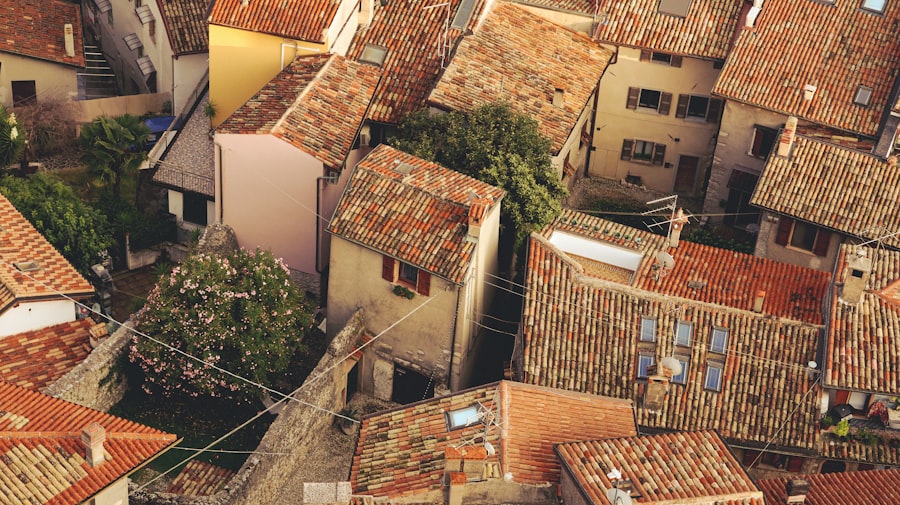
Clay tiles are another traditional option, particularly in Mediterranean-style architecture. Their vibrant colors and unique shapes add a distinctive flair to roofs, making them a favored choice in warmer climates. Understanding these materials is essential for anyone looking to preserve or restore a historic home, as each type has its own set of characteristics and maintenance requirements.
Challenges of Repairing and Replacing Historic Home Roofing
Repairing or replacing roofing on historic homes presents unique challenges that require careful consideration. One significant hurdle is the need to adhere to preservation guidelines that dictate how repairs should be conducted. You may find that local regulations require you to use specific materials or techniques that match the original construction.
This can complicate the process, especially if you are dealing with a roof that has suffered extensive damage or deterioration over time. Additionally, sourcing authentic materials can be difficult. Many historic roofing materials are no longer manufactured or readily available, which can lead to compromises in quality or appearance.
You might also encounter structural issues that need addressing before any roofing work can begin. For instance, underlying support beams may have rotted or weakened over time, necessitating repairs that could further complicate your project. Navigating these challenges requires patience and a commitment to preserving the home’s historical integrity.
Best Practices for Maintaining Historic Home Roofing
To ensure the longevity of your historic home’s roof, adopting best practices for maintenance is essential. Regular inspections should be part of your routine; checking for signs of wear and tear can help you catch potential issues before they escalate into costly repairs. You should pay close attention to areas where water might accumulate or where debris can collect, as these spots are often prone to damage.
Cleaning gutters and downspouts regularly will help prevent water from backing up and causing leaks. Another important aspect of maintenance is addressing minor repairs promptly. If you notice missing shingles or small leaks, taking action quickly can prevent more extensive damage down the line.
You may also want to consider consulting with professionals who specialize in historic roofing; their expertise can provide valuable insights into appropriate maintenance techniques tailored to your specific roof type. By being proactive about maintenance, you can preserve the beauty and functionality of your historic home’s roof for years to come.
How to Choose the Right Roofing Contractor for Historic Home Roofing
Selecting the right roofing contractor for your historic home is a critical step in ensuring that any work done aligns with preservation standards. You should start by seeking out contractors who have experience specifically with historic properties. These professionals will be familiar with the unique challenges associated with such projects and will understand the importance of using appropriate materials and techniques.
When interviewing potential contractors, ask for references from previous clients who have undertaken similar projects. This will give you insight into their workmanship and reliability. Additionally, inquire about their knowledge of local preservation guidelines; a contractor who understands these regulations will be better equipped to navigate any challenges that arise during the project.
Ultimately, choosing a contractor with a proven track record in historic roofing will help ensure that your home’s architectural integrity is maintained throughout the repair or replacement process.
Understanding the Historical and Architectural Significance of Historic Home Roofing

The historical and architectural significance of roofing in historic homes cannot be overstated. Each roof tells a story about the era in which it was built, reflecting not only aesthetic preferences but also technological advancements and regional influences. For instance, the steeply pitched roofs common in Gothic Revival architecture were designed to shed snow effectively, while flat roofs in mid-century modern homes often emphasized minimalism and integration with nature.
Understanding this significance allows you to appreciate the craftsmanship involved in creating these roofs. Many historic roofing styles were developed based on local climate conditions and available materials, showcasing the ingenuity of builders from different periods. By recognizing the architectural value of these roofs, you can better advocate for their preservation within your community and contribute to ongoing discussions about heritage conservation.
Tips for Matching New Roofing Materials to the Original Aesthetic of Historic Homes
When it comes time to replace or repair your historic home’s roof, matching new materials to the original aesthetic is vital for maintaining its character. Start by researching the specific roofing style used when your home was built; this will give you a foundation for understanding what materials are appropriate. For example, if your home originally featured slate tiles, consider sourcing similar slate options rather than opting for modern alternatives that may not capture the same look.
You should also consult with preservation experts or architects who specialize in historic restoration; they can provide guidance on suitable materials that align with your home’s architectural style. Additionally, consider visiting local salvage yards or specialty suppliers that focus on reclaimed materials; these sources may offer authentic options that blend seamlessly with your home’s existing features. By taking these steps, you can ensure that any new roofing work enhances rather than detracts from your historic home’s charm.
The Role of Historic Preservation Organizations in Protecting and Maintaining Historic Home Roofing
Historic preservation organizations play an invaluable role in protecting and maintaining historic home roofing across communities. These organizations often provide resources and support for homeowners looking to restore or preserve their properties while adhering to preservation standards. They may offer educational programs that inform homeowners about best practices for maintenance and restoration techniques specific to historic roofing.
In addition to providing guidance, many preservation organizations advocate for policies that protect historic neighborhoods from inappropriate alterations or demolitions. By working with local governments and community members, they help ensure that historic homes retain their architectural integrity over time. As a homeowner invested in preserving your property’s history, engaging with these organizations can provide you with essential tools and connections to navigate the complexities of maintaining your historic roof effectively.
In conclusion, preserving historic home roofing is not just about maintaining an aesthetic; it is about honoring history, craftsmanship, and community identity. By understanding the materials used, recognizing challenges in repair and replacement, adopting best maintenance practices, choosing qualified contractors, appreciating architectural significance, matching new materials appropriately, and engaging with preservation organizations, you can play an active role in safeguarding these important structures for future generations. Your efforts contribute not only to your own property but also to the cultural fabric of your community as a whole.
If you are looking for roofing contractors in Garland, Texas, you may be interested in reading an article about the importance of maintaining the historic roofs of homes in the area. Historic Home Roofing is crucial to preserving the character and charm of these older properties. To learn more about the roofing contractors in Garland, Texas, visit this link.
FAQs
What is historic home roofing?
Historic home roofing refers to the process of installing or repairing roofs on homes that are considered to have historical significance. These homes may have unique architectural features and materials that require special care and attention during the roofing process.
What are the common roofing materials used for historic homes?
Common roofing materials used for historic homes include slate, clay tiles, wood shakes, and metal. These materials are chosen for their durability, aesthetic appeal, and ability to maintain the historical integrity of the home.
What are the challenges of roofing a historic home?
Roofing a historic home presents challenges such as preserving the original architectural details, finding suitable replacement materials, and adhering to local historic preservation guidelines. It requires a delicate balance between maintaining the home’s historical character and ensuring the roof is structurally sound.
Why is it important to use specialized roofing contractors for historic homes?
Specialized roofing contractors have the knowledge and experience to work with unique roofing materials and understand the specific requirements of historic preservation. They can ensure that the roofing process is carried out in a way that preserves the historical integrity of the home.
What are some considerations for maintaining the historical integrity of a roof on a historic home?
Considerations for maintaining the historical integrity of a roof on a historic home include using materials that match the original roof, preserving any decorative elements, and following guidelines set forth by local historic preservation organizations. It’s important to prioritize the preservation of the home’s historical character while also ensuring the roof is functional and long-lasting.