
Navigating Roofing Insurance Claims in Downtown McKinney, Texas
Your downtown McKinney property is more than just a structure; it’s a significant investment, a part of the city’s vibrant history, and for many, a source of livelihood. When the unexpected happens and your roof suffers damage, the process of filing an insurance claim can feel overwhelming. This guide is designed to equip you with the knowledge you need to effectively navigate insurance roofing claims specifically within the unique context of downtown McKinney, Texas. Understanding the nuances of your policy, local building codes, and the claims process itself can make a substantial difference in securing the compensation you deserve.
Before damage ever occurs, taking the time to thoroughly understand your current homeowner’s or commercial property insurance policy is the most crucial proactive step you can take. This isn’t a document to be filed away and forgotten; it’s a contract that outlines your coverage and the procedures for making a claim. For properties in downtown McKinney, where historic structures and diverse architectural styles are common, ensuring your policy adequately covers these unique characteristics is paramount.
Types of Insurance Policies and Their Implications for Roofing Claims
Your insurance policy will typically fall into one of a few general categories, each with different implications for how roofing damage is covered.
Actual Cash Value (ACV) vs. Replacement Cost Value (RCV)
This is a fundamental distinction that impacts the payout you receive for roof repairs or replacement.
Actual Cash Value (ACV)
An ACV policy pays you the current depreciated value of your roof at the time of the loss. This means that the payout will account for the age and wear and tear of your existing roof. For example, if your 15-year-old roof is damaged and its estimated depreciated value is $10,000, that’s the amount you would likely receive to repair or replace it. This may not be enough to cover the cost of a brand-new roof, leaving you with a gap.
Replacement Cost Value (RCV)
An RCV policy, on the other hand, pays you the cost to replace your damaged roof with a new one of similar kind and quality, without deducting for depreciation. Initially, you might receive the ACV of the damaged roof, and upon completion of the repairs or replacement, you would receive the difference to cover the full replacement cost. This is generally the preferred type of coverage for roofing claims, as it ensures you can restore your property to its pre-loss condition without incurring significant out-of-pocket expenses.
Policy Limits and Deductibles
Every insurance policy has a limit, which is the maximum amount the insurer will pay for a covered loss. It’s vital to know this limit, especially if you have an older roof or a commercial property with extensive roofing.
Understanding Your Coverage Limit
Your policy’s declarations page will clearly state your coverage limit for the dwelling or building. Ensure this limit is sufficient to cover the cost of a complete roof replacement, considering current market prices for materials and labor in the McKinney area. Property values and construction costs can fluctuate.
The Role of Your Deductible
Your deductible is the amount you agree to pay out-of-pocket before your insurance coverage kicks in. If your roof repair estimate is $12,000 and your deductible is $2,000, your insurance company will pay $10,000. It’s important to factor your deductible into your budget when assessing the financial impact of a claim.
Additional Living Expenses (ALE) or Business Interruption Coverage
Depending on the nature of your property and policy, you might also have coverage for losses beyond the direct damage to your roof.
For Homeowners: Additional Living Expenses (ALE)
If your home is rendered uninhabitable due to roof damage, ALE coverage can help pay for temporary housing, meals, and other essential living expenses while your home is being repaired. This can be a lifesaver during extended repair periods.
For Commercial Properties: Business Interruption Insurance
If your downtown McKinney business relies on its physical location, significant roof damage can lead to closures and lost revenue. Business interruption insurance is designed to compensate you for these lost profits and ongoing operating expenses while your business is temporarily shut down.
If you’re navigating the complexities of insurance roofing claims in Downtown McKinney, Texas, understanding the tools and safety measures involved in roofing can be incredibly beneficial. A related article that provides insights into essential roofing equipment and safety protocols is available at this link: Roofing Equipment and Tools Safety. This resource can help you ensure that your roofing project adheres to safety standards while also maximizing the efficiency of your claims process.
Identifying and Documenting Roof Damage in Downtown McKinney
Once you suspect or confirm roof damage, the next critical step is thorough documentation. This evidence will be the foundation of your insurance claim. Downtown McKinney’s unique character means you might encounter various roofing materials and styles, so be mindful of what’s specific to your property.
Common Causes of Roof Damage in Texas
Texas weather, while often beautiful, can be harsh on roofs. Understanding common culprits for damage in our region is key.
Hail Damage
Freak hail storms are a recurring issue in North Texas. Even small hailstones can cause dents and cracks in shingles, leading to leaks and structural compromise over time. Look for circular impact marks on shingles and granules in your gutters.
Wind Damage
High winds, particularly during thunderstorms and from the occasional hurricane remnants that affect our region, can lift shingles, cause them to tear, or dislodge them entirely. Pay attention to loose or missing shingles, damaged flashing, and debris that has been thrown onto your roof.
Aging and Wear and Tear
Even without severe weather events, roofs have a lifespan. Older roofs are more susceptible to damage from UV exposure, temperature fluctuations, and general deterioration. While insurance typically covers sudden and accidental damage, pre-existing conditions can complicate claims.
Tree Damage
Overhanging tree branches, especially those from mature trees common in older downtown areas, can cause significant damage if they fall on your roof during storms. Look for broken branches, punctures, or crushed sections of your roof.
The Importance of Early and Thorough Documentation
Don’t delay in documenting any suspected damage. The sooner you start, the more comprehensive your record will be.
Taking Photos and Videos
This is your primary tool.
Exterior Shots
From various angles, capture the overall condition of your roof. Focus on areas where damage is visible, such as missing shingles, dents, cracks, or displaced flashing. Include wide shots to show the context and close-ups to detail the damage.
Interior Shots
If you see water stains on your ceiling, water dripping, or peeling paint, document these from inside your property. These are tangible signs of a leak and often direct results of roof damage.
Damage to Surrounding Property
Document any damage to gutters, downspouts, siding, or windows that appears to be related to the roof issue. This paints a more complete picture of the problem.
Creating a Detailed Log of Events
Keep a written record of everything related to the issue.
Date and Time of Occurrence
If you know when the damage occurred (e.g., during a specific storm), note the date and time. If you discovered the damage later, note the date of discovery.
Detailed Description of Damage
Describe the damage precisely. Instead of “roof leak,” write “circular water stain approximately 3 feet in diameter on the ceiling in the master bedroom, accompanied by a slow drip when it rains.”
Any Previous Issues or Repairs
If your roof has had previous leaks or repairs, note those dates and details. While this might seem counterintuitive, transparency can build trust with your insurer, and it helps them understand the history of the roof.
Initiating the Roofing Insurance Claim Process
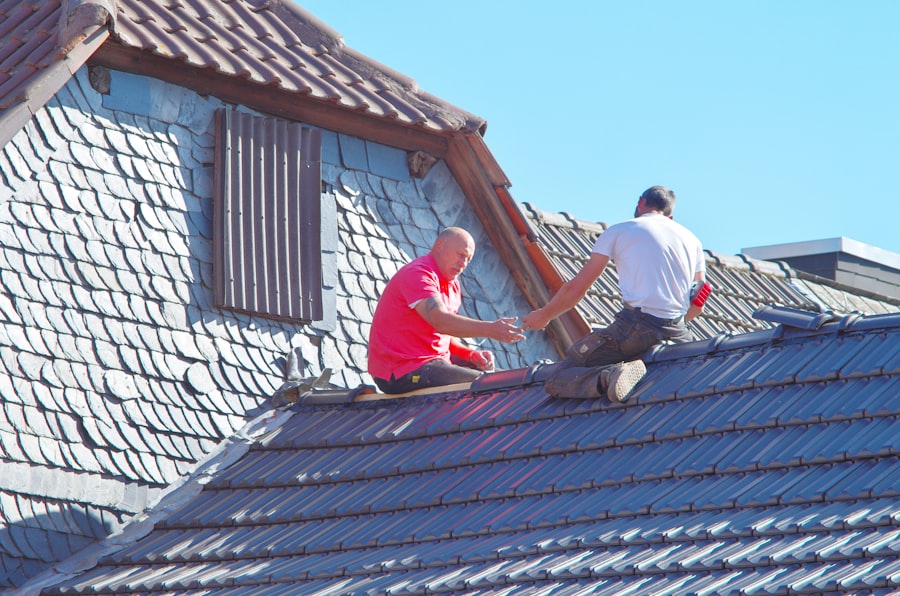
Once you have documented the damage, it’s time to formally initiate your claim. This involves contacting your insurance company and working with them to get your case moving.
Notifying Your Insurance Company
Prompt notification is crucial. Most policies require you to report damage within a specific timeframe.
How to File a Claim
Your policy will outline the preferred method for filing a claim.
Phone Call to Your Agent or Claims Department
This is usually the first step. Have your policy number ready and be prepared to provide a brief overview of the damage.
Online Claim Filing
Many insurance companies now offer online portals or apps for filing claims electronically, which can be convenient.
Written Notice
In some cases, especially for commercial properties or if you want an official record, you may need to send a formal written notice of the claim.
Understanding the Role of the Insurance Adjuster
An insurance adjuster is assigned to your claim to assess the damage and determine the payout. Their assessment is critical.
What to Expect During an Adjuster’s Visit
The adjuster will typically visit your property to conduct their own inspection.
Be Prepared
Have your documentation readily available. Show the adjuster all the damage you have observed, both inside and outside.
Ask Questions
Don’t hesitate to ask questions about their assessment process, what they are looking for, and what the next steps will be.
Be Honest and Accurate
Provide truthful and accurate information. Misrepresenting facts can have serious consequences.
Potential for a Public Adjuster
In complex cases or if you feel your insurer isn’t being fair, you may consider hiring a public adjuster.
What a Public Adjuster Does
A public adjuster works for you, the policyholder, and is responsible for evaluating the damage, understanding your policy, and negotiating with the insurance company on your behalf. They are licensed and regulated professionals.
When to Consider a Public Adjuster
If your claim is denied, if the settlement offer seems too low, or if the repair process is exceptionally complicated, a public adjuster can be a valuable asset.
Repairing Your Roof: Working with Contractors and Your Insurer
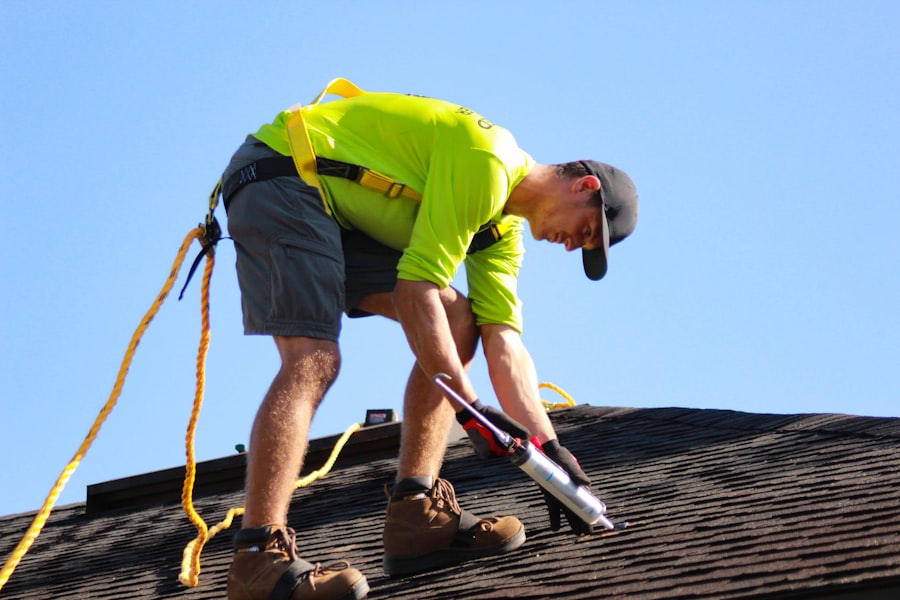
After the initial assessment, the next phase involves getting estimates for repairs and approving the work. This is where your chosen roofing contractor and your insurance company will interact.
Selecting a Reputable Roofing Contractor in McKinney
Choosing the right contractor is as important as understanding your policy. In a historic downtown area, you’ll want someone experienced with various roofing materials and building codes.
How to Find Qualified Contractors
Recommendations and Reviews
Ask for recommendations from neighbors, friends, or local business associations. Check online reviews on platforms like Google, Yelp, or the Better Business Bureau.
Licensing and Insurance
Ensure any contractor you consider is licensed by the state of Texas and carries adequate liability insurance and workers’ compensation insurance. This protects you from potential issues should accidents occur on your property.
Experience in Downtown McKinney
Contractors familiar with the specific building codes and historical regulations of downtown McKinney can be particularly beneficial. They will understand the nuances of working with older structures.
Obtaining and Reviewing Repair Estimates
You will likely need multiple estimates to compare costs and scope of work.
What to Look for in an Estimate
Detailed Scope of Work
The estimate should clearly outline all the work to be performed, including the type and quantity of materials to be used, labor costs, and any associated fees.
Material Specifications
Ensure the materials specified are of comparable quality to your existing roof and meet local building codes.
Warranty Information
Understand the warranty provided by the contractor for both materials and labor.
Working with Your Estimate and the Adjuster
The insurance adjuster will review the estimates you receive.
Scope of Work Comparison
The adjuster will compare the contractor’s estimate to their own assessment of the damage. Any discrepancies need to be addressed.
Approval Process
Once the insurer approves the scope of work and the estimated cost, they will issue a payment. This may be an initial payment, with the remainder paid upon completion.
If you’re navigating the complexities of insurance roofing claims in Downtown McKinney, Texas, you might find it helpful to explore related topics that can provide further insights. For instance, understanding how different regions handle roofing claims can be beneficial. A useful resource on this subject can be found in an article about roofing contractors in Chula Vista, California, which discusses various aspects of roofing insurance and claims processes. You can read more about it here.
Appealing a Denied or Underpaid Roofing Claim
| Month | Number of Claims | Average Claim Amount |
|---|---|---|
| January | 15 | 3,500 |
| February | 20 | 4,200 |
| March | 18 | 3,800 |
Unfortunately, not all claims are straightforward. You may encounter a denial or a settlement offer that doesn’t cover the full cost of repairs. In such situations, there are steps you can take to appeal.
Understanding the Reasons for Denial or Underpayment
The first step in appealing is to understand why your claim was handled in a particular way.
Policy Exclusions
Your policy may have specific exclusions that prevent coverage for certain types of damage. Common exclusions include wear and tear, faulty workmanship, or damage from natural disasters not specifically covered.
Misinterpretation of Policy Language
Sometimes, there can be a disagreement over how certain terms or clauses in your policy should be interpreted.
Inadequate Assessment of Damage
The insurance company’s assessment of the damage may be incomplete or inaccurate, leading to an underestimation of repair costs.
The Appeals Process with Your Insurance Company
Most insurance companies have an internal appeals process.
Written Appeal
Submit a formal written appeal to your insurance company. This should clearly state your reasons for disagreeing with their decision and include any supporting documentation you may have.
Reiterate Your Case
Remind them of the damage you have documented and how it aligns with your policy coverage.
Include New Evidence
If you have obtained additional information, such as a more detailed report from your contractor or a second opinion from another roofing professional, include it in your appeal.
Escalation to Higher Levels
If the internal appeal is unsuccessful, you may need to escalate your case.
State Department of Insurance
You can file a complaint with the Texas Department of Insurance (TDI). The TDI regulates insurance companies and can investigate your claim to ensure it was handled in accordance with state laws and your policy.
Legal Counsel
For severe cases or when facing significant financial losses, consulting with an attorney specializing in insurance law may be necessary. They can advise you on your legal options and represent you in legal proceedings if required.
By approaching your roofing insurance claim with knowledge, thorough documentation, and a systematic approach, you can navigate the process effectively and work towards restoring your downtown McKinney property to its former condition. Remember that your policy is a contract, and understanding its terms is your first and most powerful tool.
FAQs
What is insurance roofing claims?
Insurance roofing claims refer to the process of filing a claim with an insurance company for damage to a roof. This can include damage from storms, hail, wind, or other natural disasters.
How do I file an insurance roofing claim in Downtown McKinney, Texas?
To file an insurance roofing claim in Downtown McKinney, Texas, you will need to contact your insurance company and provide them with details of the damage. They will likely send an adjuster to assess the damage and determine the coverage for the claim.
What should I do if my insurance roofing claim is denied?
If your insurance roofing claim is denied, you can appeal the decision with your insurance company. You may also consider hiring a public adjuster or seeking legal advice to help with the appeal process.
What types of damage are typically covered by insurance roofing claims?
Insurance roofing claims typically cover damage caused by storms, hail, wind, fire, and other natural disasters. It’s important to review your policy to understand the specific coverage and exclusions.
How can I find a reputable roofing contractor in Downtown McKinney, Texas for insurance claims?
To find a reputable roofing contractor in Downtown McKinney, Texas for insurance claims, you can ask for recommendations from friends, family, or your insurance company. It’s also important to research and verify the credentials and reputation of the contractor before hiring them.