
When considering roofing options, metal roofing stands out for a multitude of reasons. One of the most significant benefits is its durability. Metal roofs can withstand extreme weather conditions, including heavy rain, snow, and high winds.
Unlike traditional roofing materials, which may deteriorate over time, metal roofs are resistant to rust, rot, and insect damage. This longevity means that you won’t have to worry about frequent repairs or replacements, making it a cost-effective choice in the long run. You can enjoy peace of mind knowing that your roof will protect your home for decades.
In addition to durability, metal roofing is also energy-efficient. Many metal roofs are designed with reflective properties that help to deflect sunlight, keeping your home cooler in the summer months. This can lead to significant savings on your energy bills, as your air conditioning system won’t have to work as hard to maintain a comfortable temperature.
Furthermore, metal roofing is often made from recycled materials, making it an environmentally friendly option. By choosing metal roofing, you are not only investing in your home but also contributing to a more sustainable future.
Key Takeaways
- Metal roofing is durable, long-lasting, and energy-efficient, providing cost savings over time.
- Proper preparation for metal roof installation includes inspecting the existing roof, ensuring proper ventilation, and addressing any structural issues.
- When choosing the right metal roofing material, consider factors such as durability, style, and budget.
- Steps for installing metal roofing include measuring and cutting the panels, laying the underlayment, and securing the panels in place.
- Tools and equipment needed for metal roof installation include a drill, screws, a hammer, and safety gear such as gloves and goggles.
- Safety precautions for metal roof installation include using proper fall protection, being aware of electrical hazards, and working with a partner.
- Consider hiring a professional for metal roof installation if you lack experience or if the project is complex, otherwise, DIY installation can be cost-effective.
- Maintenance and care for metal roofing involves regular inspections, cleaning debris, and addressing any damage promptly to prolong the roof’s lifespan.
Preparation for Metal Roof Installation
Evaluate Your Existing Roof
Assessing the condition of your existing roof is the first step in preparing for metal roof installation. If your roof has significant damage or structural issues, it’s crucial to address these problems before proceeding with the installation.
Compliance with Local Building Codes
Checking local building codes and regulations is another critical step in the preparation process. This ensures that your new roof complies with all necessary requirements, avoiding any legal complications down the line.
Plan and Prepare for Installation
Creating a detailed plan will help streamline the installation process. Measure your roof accurately to determine how much material you’ll need, and consider the weather conditions in your area. Scheduling the installation during a dry period will make the process smoother and more efficient. By taking these preparatory steps, you’ll set yourself up for success as you move forward with your metal roof installation.
Choosing the Right Metal Roofing Material
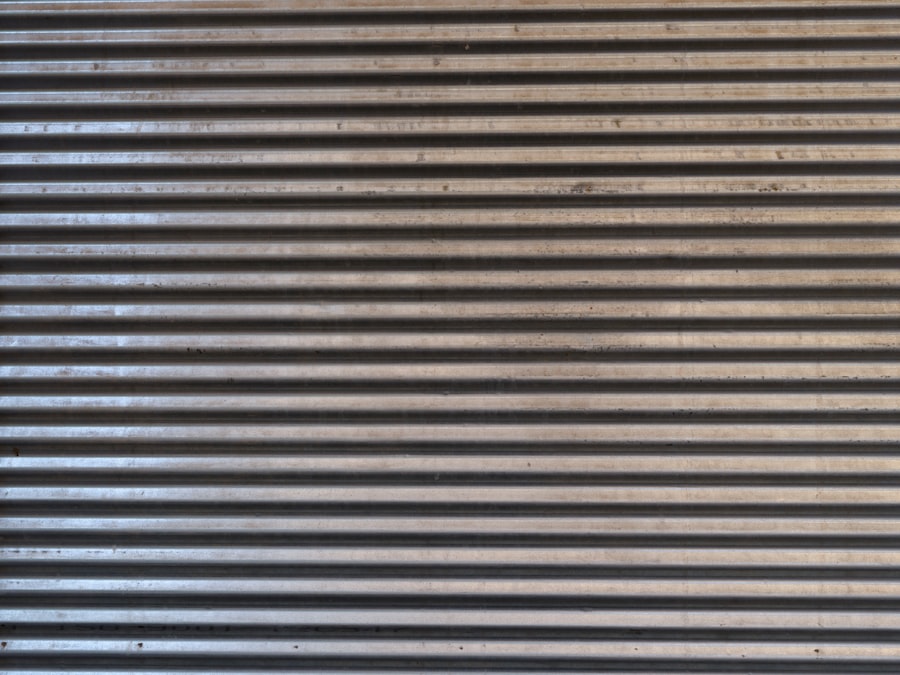
Selecting the right type of metal roofing material is a critical decision that can impact both the aesthetics and functionality of your roof. There are several options available, including steel, aluminum, copper, and zinc. Each material has its own unique properties and advantages.
For instance, steel is known for its strength and affordability, while aluminum is lightweight and resistant to corrosion. Copper offers a distinctive look that develops a beautiful patina over time but comes at a higher price point. In addition to material type, you should also consider the finish and color of your metal roofing.
The finish can affect not only the appearance but also the longevity of the roof. Some finishes provide additional protection against rust and fading, which can be particularly beneficial in harsh climates. When choosing a color, think about how it will complement your home’s exterior and whether it will help with energy efficiency by reflecting sunlight.
By carefully considering these factors, you can select a metal roofing material that meets both your aesthetic preferences and practical needs.
Steps for Installing Metal Roofing
The installation of a metal roof involves several key steps that require careful attention to detail. First, you’ll need to prepare the roof deck by ensuring it is clean and free from debris. If you are replacing an existing roof, you may need to remove old shingles or other materials before proceeding.
Once the deck is ready, you can install underlayment, which acts as a moisture barrier and adds an extra layer of protection against leaks. Next, you will begin laying down the metal panels. Start at one end of the roof and work your way across, ensuring that each panel overlaps correctly with the next one to prevent water infiltration.
Fastening the panels securely is crucial; use appropriate screws or clips designed for metal roofing to ensure they remain in place during high winds or storms. Finally, don’t forget to install flashing around chimneys, vents, and other protrusions to create a watertight seal. Following these steps meticulously will help ensure that your metal roof is installed correctly and will perform well for years to come.
Tools and Equipment Needed for Metal Roof Installation
Having the right tools and equipment on hand is essential for a successful metal roof installation. At a minimum, you will need safety gear such as gloves, goggles, and a hard hat to protect yourself during the process. A sturdy ladder is also necessary for accessing the roof safely.
Additionally, you should have a measuring tape, chalk line, and level on hand to ensure accurate measurements and alignments. For cutting metal panels, a power shear or tin snips will be required; these tools allow for clean cuts without damaging the material. A drill or impact driver is essential for fastening panels securely to the roof deck.
Other helpful tools include a hammer for securing flashing and a caulking gun for applying sealant around joints and seams. By gathering all necessary tools before starting your project, you can work more efficiently and minimize interruptions during the installation process.
Safety Precautions for Metal Roof Installation
Safety should always be your top priority when installing a metal roof. Working at heights poses inherent risks, so it’s crucial to take precautions to protect yourself from falls or accidents. Always use a sturdy ladder that extends at least three feet above the roofline when accessing your roof.
Consider using safety harnesses or guardrails if you are working on a steep pitch or if there are other hazards present. In addition to fall protection, be mindful of weather conditions while working on your roof. Avoid installation during inclement weather such as rain or high winds, as these conditions can increase the risk of accidents.
It’s also important to be aware of your surroundings; ensure that there are no power lines or other hazards nearby that could pose a danger during installation. By adhering to safety precautions diligently, you can create a safer working environment for yourself and anyone assisting you.
When it comes to installing a metal roof, you may find yourself weighing the pros and cons of hiring a professional versus taking on the project yourself. On one hand, hiring a professional contractor can save you time and ensure that the installation is done correctly. Experienced contractors have the skills and knowledge necessary to navigate potential challenges that may arise during installation.
They also typically offer warranties on their work, providing you with added peace of mind. On the other hand, if you are handy and enjoy DIY projects, installing a metal roof yourself can be rewarding both financially and personally. You’ll save on labor costs and gain valuable experience in home improvement.
However, it’s essential to honestly assess your skills and comfort level with such projects before deciding to go this route. If you choose DIY installation but encounter difficulties along the way, it could lead to costly mistakes or safety hazards. Ultimately, weighing these factors will help you make an informed decision about whether to hire a professional or tackle the project yourself.
Maintenance and Care for Metal Roofing
Once your metal roof is installed, ongoing maintenance is key to ensuring its longevity and performance. Regular inspections should be conducted at least twice a year—ideally in spring and fall—to check for any signs of damage or wear. Look for loose panels or fasteners, rust spots, or debris accumulation that could impede drainage or cause leaks.
Addressing minor issues promptly can prevent them from escalating into more significant problems down the line. Cleaning your metal roof is also an important aspect of maintenance. While metal roofs are generally low-maintenance compared to other materials, they can still accumulate dirt, leaves, and other debris over time.
A gentle wash with water and mild soap can help keep your roof looking its best without damaging the finish. Additionally, if you live in an area prone to moss or algae growth, consider applying a specialized treatment designed for metal roofs to prevent these issues from taking hold. By committing to regular maintenance and care for your metal roofing system, you can enjoy its benefits for many years to come.
If you are considering metal roofing installation, you may also be interested in learning about sustainable and eco-friendly roofing practices. This article discusses ways in which roofing contractors in Jacksonville, Florida and St. Paul, Minnesota are implementing environmentally friendly practices in their work. To read more about this topic, check out this article.
FAQs
What are the benefits of metal roofing installation?
Metal roofing installation offers several benefits, including durability, longevity, energy efficiency, and low maintenance. Metal roofs are also resistant to fire, mildew, and insects.
What types of metal are commonly used for roofing installation?
Common types of metal used for roofing installation include steel, aluminum, copper, and zinc. Each type of metal has its own unique properties and benefits.
How long does a metal roof typically last?
A properly installed metal roof can last 50 years or more, making it one of the most durable roofing options available.
Is metal roofing installation suitable for all types of buildings?
Metal roofing installation is suitable for a wide range of buildings, including residential homes, commercial buildings, and agricultural structures. It can be installed on both steep and low-slope roofs.
What is the process of installing a metal roof?
The process of installing a metal roof typically involves removing the old roofing material, preparing the roof deck, installing underlayment, and then installing the metal panels or shingles. Proper installation techniques are crucial for the long-term performance of the roof.
Are there any special considerations for metal roofing installation in extreme weather conditions?
Metal roofing installation in extreme weather conditions may require additional measures to ensure the roof’s performance and longevity. This can include proper insulation, ventilation, and fastening methods to withstand high winds, heavy snow loads, or extreme temperatures.
What are the maintenance requirements for a metal roof?
Metal roofs require minimal maintenance, typically limited to occasional inspections and cleaning to remove debris and prevent corrosion. Proper maintenance can help extend the lifespan of the roof.