
In recent years, the construction industry has witnessed a remarkable transformation, largely driven by advancements in technology. Among these innovations, robotic roofing systems have emerged as a game-changer, revolutionizing the way roofs are installed and maintained. As you delve into this topic, you will discover how these automated systems are not only enhancing efficiency but also improving safety and quality in roofing projects.
The integration of robotics into roofing tasks signifies a shift towards a more modern approach, where traditional methods are complemented by cutting-edge technology. Robotic roofing systems are designed to automate various aspects of roof installation and maintenance, reducing the reliance on manual labor. This shift is particularly significant in an industry that has historically faced challenges such as labor shortages and safety concerns.
By embracing robotic solutions, you can expect to see a decrease in the time required for roofing projects, as well as an increase in precision and consistency. As you explore the advantages and workings of these systems, you will gain insight into how they are reshaping the landscape of roofing.
Key Takeaways
- Robotic roofing systems offer numerous advantages, including increased safety, efficiency, and cost-effectiveness.
- These systems work by using advanced technology to automate the roofing process, reducing the need for manual labor and improving accuracy.
- There are different types of robotic roofing systems available, including drones, robotic arms, and autonomous vehicles, each with its own unique capabilities.
- While the initial cost of implementing robotic roofing systems may be high, the return on investment comes from reduced labor costs and increased productivity.
- The future of robotic roofing systems looks promising, with continued advancements in technology and potential for even greater safety and efficiency improvements.
Advantages of Using Robotic Roofing Systems
One of the most compelling advantages of robotic roofing systems is their ability to enhance productivity. With automation taking over repetitive and labor-intensive tasks, you can expect projects to be completed in a fraction of the time it would take using traditional methods. This increased efficiency not only accelerates project timelines but also allows for more projects to be undertaken simultaneously, ultimately boosting profitability for contractors and companies alike.
In addition to productivity gains, robotic roofing systems also contribute to improved safety on job sites. Roofing work is inherently risky, with workers often exposed to heights and hazardous conditions. By utilizing robotic systems, you can significantly reduce the number of workers required on-site, thereby minimizing the risk of accidents and injuries.
Furthermore, these systems are designed to operate in challenging environments, ensuring that tasks can be completed safely without compromising quality or performance.
How Robotic Roofing Systems Work

Understanding how robotic roofing systems function is essential to appreciating their impact on the industry. These systems typically consist of a combination of advanced sensors, artificial intelligence, and automated machinery that work together to perform roofing tasks. For instance, a robotic system may be equipped with cameras and sensors that allow it to assess the roof’s condition, identify areas that require repair or replacement, and execute the necessary actions with precision.
The operation of these systems often involves a high degree of automation. Once programmed with specific tasks, the robots can navigate the roof independently, applying materials such as shingles or tiles with remarkable accuracy. This level of automation not only streamlines the installation process but also ensures that each component is placed correctly, reducing the likelihood of errors that could lead to costly repairs down the line.
As you explore this technology further, you will appreciate how it combines engineering prowess with innovative design to create a seamless roofing experience.
Types of Robotic Roofing Systems Available
As you consider implementing robotic roofing systems, it’s important to familiarize yourself with the various types available on the market. One common type is the robotic shingle installer, which automates the process of laying shingles on a roof. These machines are designed to handle different shingle sizes and styles, making them versatile for various roofing projects.
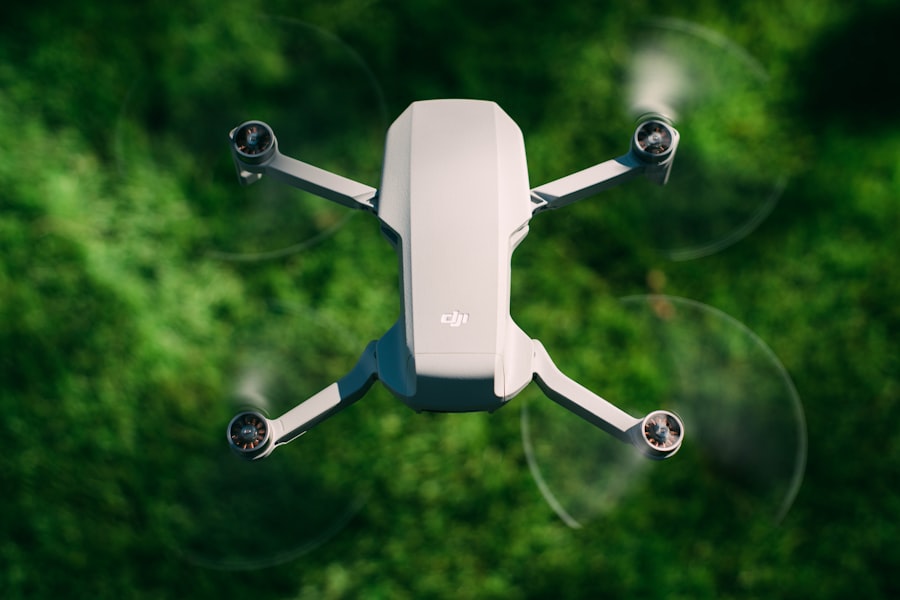
Their ability to work quickly and efficiently can significantly reduce labor costs while maintaining high-quality standards. Another type of robotic system is the drone-based inspection unit. Drones equipped with high-resolution cameras can survey roofs from above, capturing detailed images and data that can be analyzed for maintenance needs or damage assessment.
This technology allows for thorough inspections without the need for scaffolding or ladders, making it safer and more efficient. By understanding the different types of robotic roofing systems available, you can make informed decisions about which solutions best meet your needs.
Cost and ROI of Robotic Roofing Systems
When considering the adoption of robotic roofing systems, cost is undoubtedly a significant factor. While the initial investment in these technologies may seem substantial, it’s essential to evaluate the long-term return on investment (ROI) they can provide. By automating labor-intensive tasks, you can reduce labor costs significantly over time.
Additionally, faster project completion times mean that you can take on more jobs within a given timeframe, further enhancing your revenue potential. Moreover, robotic systems often lead to fewer errors during installation, which translates into lower repair costs in the future. The precision offered by these machines minimizes waste and ensures that materials are used efficiently.
As you weigh the costs against potential savings and increased revenue opportunities, it becomes clear that investing in robotic roofing systems can yield substantial financial benefits in the long run.
Safety and Efficiency of Robotic Roofing Systems
Safety is a paramount concern in any construction project, particularly in roofing where workers face numerous hazards. Robotic roofing systems address these concerns by minimizing human exposure to dangerous conditions. With robots handling high-risk tasks such as lifting heavy materials or working at great heights, you can significantly reduce the likelihood of accidents on-site.
This not only protects your workforce but also helps maintain compliance with safety regulations. In terms of efficiency, robotic systems excel by streamlining workflows and reducing downtime. These machines can operate continuously without fatigue, allowing for consistent progress throughout the day.
Additionally, their ability to work in adverse weather conditions means that projects can proceed without significant delays due to rain or wind. As you consider implementing these systems, you’ll find that their safety features and efficiency enhancements create a compelling case for their adoption in your roofing projects.
Future of Robotic Roofing Systems
The future of robotic roofing systems looks promising as technology continues to advance at an unprecedented pace. Innovations in artificial intelligence and machine learning are expected to enhance the capabilities of these systems even further. For instance, future robots may be able to learn from past projects and adapt their techniques based on real-time data analysis, leading to even greater efficiency and accuracy.
Moreover, as sustainability becomes an increasingly important focus in construction, robotic systems may play a crucial role in promoting eco-friendly practices. These machines can optimize material usage and reduce waste during installation processes, aligning with green building initiatives. As you look ahead to the future of roofing technology, it’s clear that robotic systems will continue to evolve and shape the industry in ways we are just beginning to understand.
Conclusion and Considerations for Implementing Robotic Roofing Systems
In conclusion, robotic roofing systems represent a significant advancement in construction technology that offers numerous benefits for both contractors and clients alike. From enhanced productivity and safety to improved accuracy and cost savings, these systems are poised to transform how roofing projects are executed. As you contemplate implementing robotic solutions in your own operations, it’s essential to consider factors such as initial investment costs, training requirements for staff, and potential impacts on existing workflows.
Ultimately, embracing robotic roofing systems could position you at the forefront of an evolving industry landscape. By leveraging these technologies, you not only improve your operational efficiency but also enhance your competitive edge in a market that increasingly values innovation and quality. As you move forward with your decision-making process, keep in mind that investing in robotics is not just about adopting new tools; it’s about embracing a future where technology and craftsmanship work hand in hand to create exceptional results in roofing projects.
If you are interested in learning more about roofing contractors in different cities, check out this article on Roofing Contractors in St. Louis, Missouri. It provides valuable information on the services offered by roofing contractors in that area. Additionally, if you want to know more about the licensing and certifications required for roofing contractors, you can read this article on Licensing and Certifications for Roofing Contractors. These articles can help you gain a better understanding of the roofing industry and the professionals who work in it.
FAQs
What are robotic roofing systems?
Robotic roofing systems are advanced technology that uses robots to install, repair, and maintain roofs. These systems are designed to improve efficiency, safety, and precision in roofing processes.
How do robotic roofing systems work?
Robotic roofing systems use specialized robots equipped with advanced sensors, cameras, and tools to perform tasks such as measuring, cutting, and installing roofing materials. These robots are often controlled remotely by operators who oversee the entire process.
What are the benefits of robotic roofing systems?
Some of the benefits of robotic roofing systems include increased efficiency, reduced labor costs, improved safety for workers, and higher precision in roofing installations. These systems can also help in reducing the time required for roofing projects.
Are robotic roofing systems widely used in the industry?
While robotic roofing systems are gaining traction in the roofing industry, they are not yet widely adopted. However, as the technology continues to advance and costs decrease, it is expected that robotic roofing systems will become more prevalent in the future.
What are the challenges of implementing robotic roofing systems?
Challenges in implementing robotic roofing systems include the initial investment cost, the need for specialized training for operators, and the integration of robotics with existing roofing processes. Additionally, there may be concerns about job displacement for traditional roofing workers.