
Your roof is more than just a covering; it’s a critical component of your home’s integrity, protecting you and your belongings from the Arizona sun and occasional monsoon storms. When it reaches the end of its lifespan or suffers damage, a roof replacement becomes a necessity, not a luxury. If you’re a homeowner in the Power Ranch community of Gilbert, Arizona, understanding the process and how to select the right contractors is paramount. This guide aims to demystify roof replacement, focusing on what you, as a homeowner, need to know to ensure a successful project.
Understanding the Need for Roof Replacement
Signs Your Roof Requires Attention
Your roof will often provide tell-tale signs that it’s time for a replacement. Ignoring these can lead to more significant and expensive problems down the line, affecting your home’s structure, energy efficiency, and indoor air quality.
Visible Damage and Wear
- Shingle Condition: Look for cracked, curled, brittle, or missing shingles. On asphalt shingles, you might also notice a loss of granules, which can accumulate in your gutters or around your downspouts. This granular loss significantly compromises the shingle’s ability to repel water.
- Sagging Sections: A visual inspection from the ground can reveal if your roofline is sagging in certain areas. This is a serious indicator of structural issues, potentially caused by water damage, an aging underlying deck, or excessive weight from debris.
- Damaged Flashing: Flashing, typically made of metal, seals the joints on your roof, especially around chimneys, vents, and skylights. If this flashing is rusted, loose, or cracked, it creates an entry point for water.
- Granule Buildup in Gutters: As mentioned, an abundance of shingle granules in your gutters is a strong signal that your shingles are degrading and losing their protective layer.
Interior Indicators of Roof Problems
The problems a failing roof presents aren’t always visible from the outside. Be attentive to what’s happening inside your home.
- Water Stains or Leaks: The most obvious sign is water stains appearing on your ceilings or walls, especially after rain. These can manifest as dark spots, peeling paint, or even dripping water. Don’t underestimate light staining; it can indicate a leak that is slowly causing damage.
- Mold or Mildew Growth: Persistent moisture trapped in your attic or walls due to a leaky roof can lead to mold and mildew growth. This is not only unsightly but also poses significant health risks to your household.
- High Energy Bills: An older, inefficient roof can lead to significant heat loss in the winter and heat gain in the summer, forcing your HVAC system to work harder. This translates directly into higher energy bills, as your conditioned air escapes through compromised roofing materials.
- Daylight in the Attic: During a daytime inspection of your attic, if you can see daylight peeking through in areas, it indicates holes or gaps in your roofing material, allowing both light and moisture to enter.
Lifespan of Roofing Materials
The lifespan of your roof depends heavily on the material used. In Power Ranch, with its intense sun and dry climate, asphalt shingles are common, but their longevity can be affected by extreme temperatures.
- Asphalt Shingles: Standard 3-tab asphalt shingles typically last 15-20 years. Architectural shingles, which are thicker and have a more textured appearance, generally offer a lifespan of 25-30 years or even longer with proper maintenance.
- Tile Roofing: While more expensive initially, tile roofs (clay or concrete) can last 50-75 years or more. They are durable and well-suited to the Arizona climate, but their weight requires a robust roof structure.
- Metal Roofing: Standing seam metal roofs are known for their exceptional durability and can last 40-70 years. They are also energy-efficient, reflecting solar heat.
The Replacement Process: What to Expect
Once you’ve determined that a roof replacement is necessary, understanding the general process will help you communicate effectively with your chosen contractors and manage expectations.
Initial Consultation and Assessment
- Contractor Visit: A qualified roof replacement contractor will schedule an on-site visit to assess your current roof. They will inspect the existing shingles, underlayment, decking, and any associated components like flashing and ventilation.
- Damage Evaluation: During this assessment, they will identify the extent of damage and the reasons for replacement. This evaluation will form the basis of their proposal.
- Material Recommendations: Based on your home’s style, your budget, and the climate, they will recommend appropriate roofing materials and provide samples.
Proposal and Contract
- Detailed Quote: A comprehensive proposal should detail the scope of work, materials to be used, labor costs, warranty information, and the project timeline. It should be clear and itemized.
- Contract Review: Carefully review the contract before signing. Ensure all aspects of the proposal are accurately reflected in the contract. Pay attention to payment schedules, change order procedures, and dispute resolution clauses.
- Permits and Inspections: The contractor should handle obtaining the necessary building permits from the City of Gilbert. They will also be responsible for scheduling inspections at various stages of the project to ensure compliance with building codes.
Tear-Off and Installation
- Old Roof Removal: The existing roofing material is removed, exposing the roof deck. This process can be dusty and require protective measures for your landscaping and property.
- Decking Inspection and Repair: The contractor will inspect the roof sheathing (decking) for any rot or damage. If repairs are needed, this will be an additional cost, which should be clearly communicated before work begins.
- New Underlayment: A synthetic underlayment is typically installed over the decking. This acts as a secondary water barrier.
- Shingle Installation: The new shingles are installed according to manufacturer specifications, ensuring proper overlap and fastening.
- Flashing and Ventilation: New flashing is installed around penetrations, and ventilation systems are checked or upgraded for optimal attic airflow.
Cleanup and Final Inspection
- Site Cleaning: Once the installation is complete, the crew should meticulously clean the work area, removing all debris, nails, and old materials. Magnetic sweepers are often used to pick up stray nails.
- Final Walk-Through: You should conduct a final walk-through with the contractor to ensure you are satisfied with the work performed and that all areas have been cleaned properly.
- Warranty Documentation: You will receive copies of all manufacturer warranties for the materials and a contractor warranty for the workmanship.
When considering roof replacement contractors in Power Ranch, Gilbert, AZ, it’s essential to understand the various assessment techniques that can help determine the condition of your roof. One effective method is thermal imaging, which can identify hidden issues such as leaks and insulation problems. For more information on how thermal imaging can enhance your roofing assessments, you can read this informative article on the subject: Thermal Imaging for Roofing Assessments. This resource provides valuable insights that can assist homeowners in making informed decisions about their roofing needs.
Finding Reputable Roof Replacement Contractors in Power Ranch
Selecting the right contractor is arguably the most crucial step in the roof replacement process. In Power Ranch, as in any community, you’ll encounter a range of service providers. Diligence in your search will save you time, money, and stress.
Due Diligence in Contractor Selection
- Local Presence and Reputation: Look for contractors who have a physical office or established presence in the Gilbert area, particularly if they serve Power Ranch. This often indicates a commitment to the community and a vested interest in maintaining a good reputation. Online reviews and testimonials, while useful, should be cross-referenced with other indicators of reliability.
- Licensing and Insurance: Always verify that the contractor holds the required licenses from the State of Arizona and the City of Gilbert. They must also carry general liability insurance and worker’s compensation insurance. Request proof of these documents and confirm their validity. This protects you from liability in case of accidents on your property.
- Experience and Specialization: Inquire about their experience with roof replacements specifically in the Power Ranch area. Different neighborhoods might have specific building requirements or common roofing issues. A contractor experienced with similar homes and climate conditions will be better equipped.
- Manufacturer Certifications: Some contractors are certified by specific roofing material manufacturers (e.g., GAF, CertainTeed). This certification often means they have received specialized training and adhere to the manufacturer’s installation standards, which can be crucial for warranty validity.
Gathering Multiple Quotes
- The “Three Quote” Rule: A common recommendation is to obtain at least three detailed quotes from different reputable contractors. This allows you to compare pricing, proposed materials, warranties, and project timelines.
- Standardized Information: When requesting quotes, provide each contractor with the same information about your needs and preferences. This ensures you are comparing apples to apples. Hand them your list of concerns about the current roof and your desired outcome.
- Don’t Necessarily Choose the Cheapest: The lowest bid isn’t always the best. Consider the quality of materials, the contractor’s reputation, warranty coverage, and overall professionalism. A significantly lower bid might indicate cut corners in materials or labor.
- Detailed Proposals: Ensure each quote is a detailed proposal, not just a verbal estimate. This proposal should outline specific materials, quantities, warranty terms, and payment schedules.
Red Flags to Watch For
- High-Pressure Sales Tactics: Be wary of contractors who pressure you into making an immediate decision or demand a large upfront payment. Reputable companies will give you time to consider their proposal.
- Vague or Incomplete Proposals: If a proposal lacks detail, uses jargon you don’t understand, or doesn’t clearly outline the scope of work, it could be a sign of unprofessionalism or an attempt to obscure aspects of the project.
- Lack of References: A contractor who is unwilling or unable to provide references from past clients should raise a red flag. Always follow up with these references to inquire about their experience.
- Unsolicited Offers: Be cautious of contractors who show up at your door uninvited, especially after a storm, claiming to have noticed damage. While some may be legitimate, it can also be a sign of predatory practices.
Understanding Roofing Materials for Power Ranch Homes
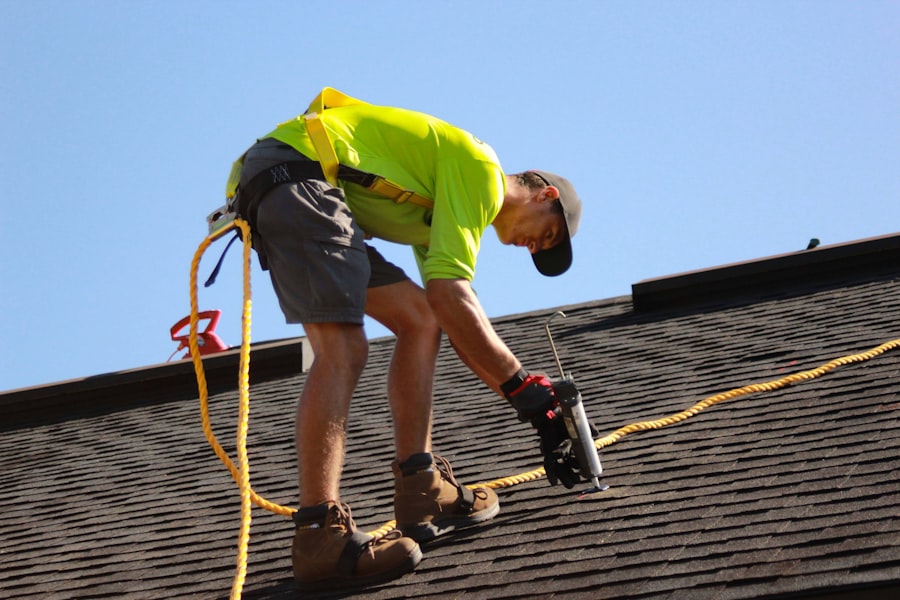
The selection of roofing materials significantly impacts the aesthetics, durability, and performance of your home in Power Ranch. Gilbert’s climate presents unique challenges that certain materials are better equipped to handle.
Asphalt Shingles: The Popular Choice
Asphalt shingles are the most common roofing material in residential construction due to their affordability and wide range of styles.
Types and Durability
- 3-Tab Shingles: These are the most basic type, characterized by their uniform, rectangular shape. They are the least expensive option but also have the shortest lifespan.
- Architectural Shingles: Also known as laminate or dimensional shingles, these are made of two or more layers bonded together, creating a thicker, more textured appearance resembling wood shakes or slate. They are more durable, wind-resistant, and generally last longer than 3-tab shingles.
- Impact-Resistant Shingles: For areas prone to hail, consider impact-resistant shingles, often designated Class 3 or Class 4. These are constructed with stronger materials and can better withstand impacts.
Considerations for Power Ranch Climate
- Algae Resistance: The arid climate of Arizona can sometimes contribute to algae growth on roofing materials, though it’s less common than in humid regions. Many modern asphalt shingles are manufactured with algae-resistant additives.
- Heat Reflectivity: Darker colored shingles can absorb more heat, increasing your home’s cooling load. Lighter colors or shingles with reflective granules can improve energy efficiency by reflecting solar radiation.
Tile Roofing: A Durable and Aesthetic Option
Tile roofs, made from clay or concrete, are a popular choice in Arizona for their longevity, fire resistance, and aesthetic appeal, offering a distinct southwestern look.
Benefits and Drawbacks
- Exceptional Lifespan: Tile roofs can last 75 years or more, making them a significant long-term investment.
- Fire Resistance: They are inherently fire-resistant, offering an added layer of safety.
- Energy Efficiency: Tiles create an air space between the roof deck and the tiles, which helps with insulation and can keep your home cooler.
- Weight: Tile roofs are very heavy, requiring a reinforced roof structure. If your current framing is not designed for the weight, it will need to be upgraded, adding to the cost.
- Cost: The initial material and installation costs for tile roofs are considerably higher than asphalt shingles.
- Maintenance: While durable, individual tiles can break if walked on improperly, and they may require occasional cleaning to prevent moss or debris buildup.
Installation Nuances
- Specialized Installers: Installing tile roofs requires specialized knowledge and experience. Ensure your chosen contractor has a proven track record with this material.
- Underlayment Importance: Proper underlayment is critical to prevent water infiltration, especially in areas where tiles might crack or shift.
Metal Roofing: Modern Efficiency and Longevity
Metal roofing has gained popularity for its durability, energy efficiency, and modern aesthetics.
Types and Advantages
- Standing Seam: This is a popular style where vertical panels are joined by raised seams. It offers excellent water shedding and is very low maintenance.
- Panel Design: Metal roofs can come in various panel designs that mimic shingles, shakes, or tiles, offering versatile aesthetic options.
- Longevity: Metal roofs can last 50-70 years or more, providing excellent long-term value.
- Energy Efficiency: Many metal roofs are highly reflective, reducing heat absorption and lowering cooling costs. Some are coated with cool roofing technology.
- Durability and Wind Resistance: They are highly resistant to wind, fire, and impact.
Considerations for Power Ranch
- Noise: While often perceived as noisy, modern metal roofs with proper insulation and underlayment significantly mitigate noise during rain or hail.
- Cost: Similar to tile, metal roofing has a higher upfront cost than asphalt shingles.
- Expansion and Contraction: Metal expands and contracts with temperature changes. The installation system must account for this to prevent buckling or damage.
The Contractual Agreement: Protecting Your Investment

Entering into a contract for a significant home improvement project like a roof replacement requires careful attention to detail. The contract is your legal safeguard.
Key Contractual Clauses
- Scope of Work: This section should meticulously detail everything the contractor will do, including the tear-off of the old roof, inspection and repair of the decking, installation of underlayment and new roofing materials, flashing, ventilation, and cleanup. Be specific about the type and brand of materials to be used.
- Materials List: A clear enumeration of all materials to be used, including brand names, model numbers, colors, and quantities. This prevents substitutions of inferior products.
- Payment Schedule: Understand how and when payments are due. A typical schedule might involve an initial deposit, progress payments at specific milestones (e.g., after tear-off, after decking inspection), and a final payment upon satisfactory completion and final inspection. Avoid contractors demanding full payment upfront.
- Warranty Information: The contract should clearly outline both the manufacturer’s warranty (for materials) and the contractor’s warranty (for workmanship). Understand the duration and coverage of each.
- Change Order Procedures: Home improvement projects can sometimes encounter unforeseen issues. A well-written contract will detail how change orders are handled, including the process for estimating additional costs and obtaining your written approval before any work deviates from the original agreement.
- Timeline and Completion Date: While weather can cause delays, the contract should specify an estimated start date and a projected completion date or timeframe.
- Insurance and Licensing: The contract should state that the contractor is licensed and insured, and you should have verified this independently.
What to Do Before Signing
- Read Thoroughly: Read every word of the contract before signing. Don’t skim. If you don’t understand something, ask for clarification.
- Ask Questions: No question is too small. If a clause seems unclear or concerning, ask the contractor to explain it in simpler terms or revise it if necessary.
- Get Everything in Writing: Verbal agreements are difficult to enforce. Ensure all promises and discussions are incorporated into the written contract.
- Independent Legal Review (Optional but Recommended): For high-value projects, consider having an attorney review the contract, especially if it’s complex or you have significant concerns.
- Confirm Permit Acquisition: Ensure the contract specifies that the contractor will obtain all necessary permits from the City of Gilbert.
When considering roof replacement contractors in Power Ranch, Gilbert, AZ, it’s essential to choose professionals who stay updated with industry standards and practices. A great resource for understanding the importance of ongoing education in the roofing field can be found in this article on continuing education in the roofing industry. This information can help homeowners make informed decisions when selecting a contractor who is committed to quality and expertise.
Post-Installation: Ensuring Satisfaction and Longevity
| Contractor Name | Number of Roof Replacements Completed | Customer Satisfaction Rating |
|---|---|---|
| ABC Roofing | 50 | 4.8/5 |
| XYZ Roofing | 65 | 4.5/5 |
| 123 Roofing | 40 | 4.7/5 |
The completion of your roof replacement is not the end of your contractor’s responsibility or your involvement. It’s important to finalize the project correctly.
Final Inspection and Walk-Through
- Conduct a Thorough Inspection: Once the contractor declares the job complete, take your time to perform a detailed walk-through of your property. Inspect the roof from the ground using binoculars if necessary, but also, if safely accessible, walk the roof with the contractor to identify any immediate issues.
- Check for Debris: Ensure the work area is completely clean. Look for stray nails, roofing debris, or damage to landscaping, gutters, or siding.
- Verify Installation Quality: Visually check the shingles for consistent alignment, proper fastening, and no visible defects.
- Confirm Drainage: Ensure gutters and downspouts are clear and water is draining away from your home properly.
- Attic Inspection: If possible, inspect your attic for any signs of damage from the installation process or any lingering moisture issues that might have been masked by the old roof.
Warranty and Documentation
- Collect All Paperwork: Ensure you receive all warranty documents for both materials and workmanship. Keep these in a safe place, ideally electronically and in hard copy, as they are vital for future claims or issues.
- Understand Warranty Conditions: Familiarize yourself with the terms and conditions of your warranties. Know what is covered, for how long, and any specific maintenance requirements to keep the warranties valid. For instance, some manufacturers require periodic inspections.
- Contractor’s Contact Information: Have the contractor’s contact information readily available in case you need to utilize the workmanship warranty.
Ongoing Maintenance for Longevity
- Regular Inspections: Schedule periodic roof inspections, at least once a year or after major storms. This can help identify minor issues before they become major problems.
- Keep Gutters Clean: Regularly clean your gutters to prevent water backup and ice dams in cooler months.
- Trim Overhanging Branches: Tree branches can damage shingles and create debris buildup. Trim them back to prevent excessive contact with your roof.
- Address Issues Promptly: If you notice any new leaks, damage, or signs of wear, contact your roofing contractor immediately to address the issue while it’s still minor.
By approaching your roof replacement in Power Ranch, Gilbert, AZ, with knowledge and diligence, you can ensure a successful project that protects your home and provides peace of mind for years to come. Remember, your roof is a significant investment, and taking the necessary steps to choose the right professionals and materials will pay dividends in the long run.
FAQs
1. What is the average cost of a roof replacement in Power Ranch, Gilbert, AZ?
The average cost of a roof replacement in Power Ranch, Gilbert, AZ can vary depending on the size of the roof, the materials used, and the contractor hired. However, the average cost typically ranges from $5,000 to $15,000.
2. How long does a roof replacement typically take in Power Ranch, Gilbert, AZ?
The duration of a roof replacement project in Power Ranch, Gilbert, AZ can vary based on the size and complexity of the roof, as well as weather conditions. On average, a roof replacement can take anywhere from a few days to a couple of weeks to complete.
3. What are the most common types of roofing materials used in Power Ranch, Gilbert, AZ?
The most common types of roofing materials used in Power Ranch, Gilbert, AZ include asphalt shingles, tile, and metal. Each material has its own advantages and considerations, so it’s important to consult with a professional contractor to determine the best option for your specific needs.
4. How can I find a reputable roof replacement contractor in Power Ranch, Gilbert, AZ?
To find a reputable roof replacement contractor in Power Ranch, Gilbert, AZ, consider asking for recommendations from friends, family, and neighbors. Additionally, you can research local contractors online, read reviews, and check their credentials and certifications before making a decision.
5. What should I look for in a contract for a roof replacement in Power Ranch, Gilbert, AZ?
When hiring a contractor for a roof replacement in Power Ranch, Gilbert, AZ, it’s important to ensure that the contract includes details such as the scope of work, materials to be used, project timeline, payment schedule, and warranty information. Be sure to review the contract carefully and ask any questions before signing.