What do you look for when choosing a roofing contractor?
Selecting the right roofing contractor is one of the most important decisions you’ll make for your home, especially in a place like Anchorage, Alaska. With the unique weather patterns and environmental concerns, it’s crucial to have a reliable and skilled contractor who understands the local conditions.
Understanding the Importance of Roofing Contractors
The roof is one of the most critical components of your home. It’s not just about shelter; it’s your first line of defense against the elements. A good roofing contractor ensures that your roof is not merely functional but contributes to the overall safety and aesthetics of your home.
What to Look For in a Roofing Contractor
When evaluating roofing contractors in Anchorage, consider several key factors:
- Experience: You want a contractor who has been in the business for several years. Look for someone who has experience specifically with the types of roofing materials that are common in Alaska.
- Reputation: Online reviews, referrals, and testimonials can give you a solid sense of a contractor’s reliability and quality of work.
- Licensing and Insurance: Always confirm that your contractor is licensed to operate in Alaska and carries the necessary insurance to protect you from liability in case of accidents during the job.
- Warranty: A reputable contractor will offer a warranty on both their workmanship and the materials used.
- Local Knowledge: Knowledge of local building codes and weather patterns can make a significant difference in the longevity and quality of your roof.
Types of Roofing Materials in Anchorage
In Anchorage, you’ll encounter various roofing options. Each material has its advantages and disadvantages, which can influence your decision.
Asphalt Shingles
Asphalt shingles are perhaps the most popular roofing material. They are affordable and come in many colors and styles. However, they may not hold up as well in extreme weather conditions over time, so proper installation and maintenance are critical.
Metal Roofing
Metal roofs have gained traction in Anchorage due to their durability. They can withstand heavy snow loads and wind, making them a smart long-term investment. Maintenance is generally low, but the initial cost can be higher than asphalt shingles.
Wood Shingles and Shakes
Wood shingles offer a classic look but require more maintenance than other materials. They are prone to rot and insect damage, making it essential to properly treat and maintain them.
Flat Roofs
Flat roofs can be suitable for some buildings in Anchorage, especially commercial ones. They require regular maintenance to prevent water pooling and leaks.
Slate and Tile Roofing
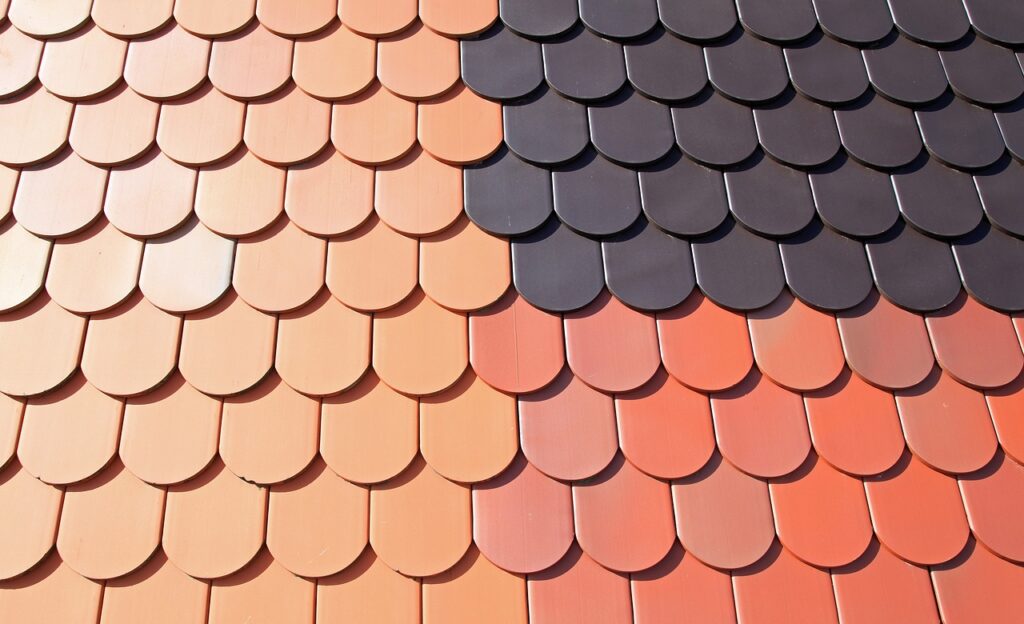
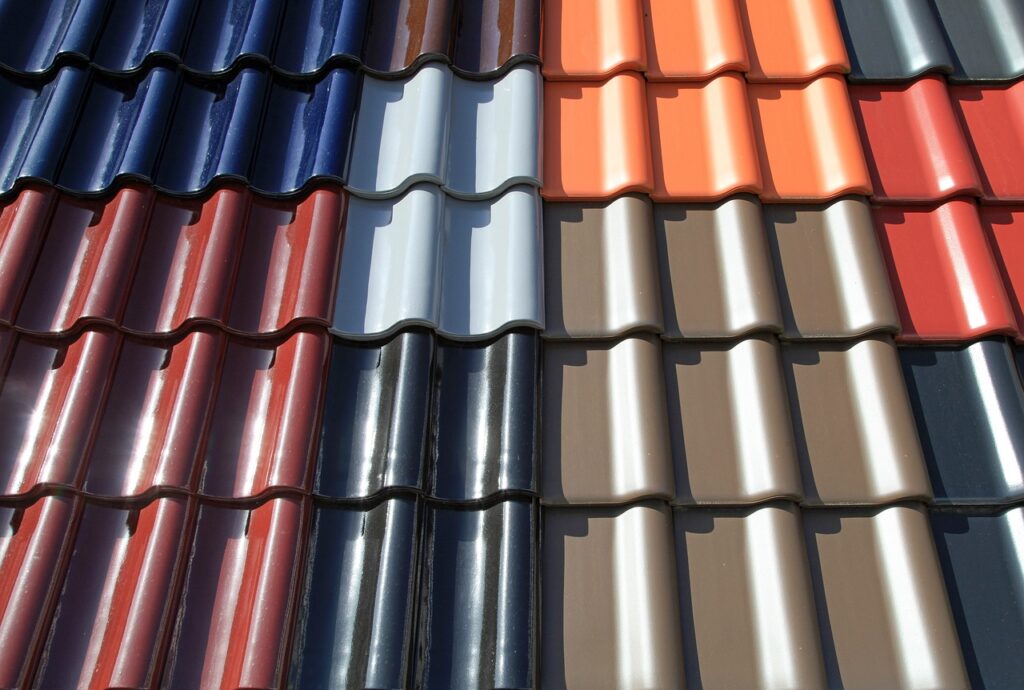
While more expensive, slate and tile roofs can provide excellent durability and an upscale appearance. However, their weight may not be suitable for every building, requiring evaluation by a knowledgeable contractor.
Questions to Ask Your Roofing Contractor
Once you’ve narrowed down your choices, it’s time to interview potential contractors. Here are essential questions to guide your discussions.
What is Your Experience with Local Roofs?
Understanding your contractor’s familiarity with Anchorage-specific roofing challenges can shed light on their expertise.
Can You Provide References?
A trustworthy contractor should readily give you contact information for past clients. Speaking with these references can provide insights into the contractor’s reliability and craftsmanship.
What Is Your Estimated Timeline for the Project?
Every project is unique. Learning about the expected timeline can help align your scheduling and expectations.
What About Clean-Up?
It’s essential to clearly outline clean-up responsibilities ahead of time. Some contractors may include this in their services, while others may not.
What is Your Payment Schedule?
Discussing payment upfront can prevent potential misunderstandings later. Know what to expect and when.
Understanding the Costs of Roofing Projects
Costs can vary widely based on the type of material, the size of the roof, and the contractor’s rates. Here’s a general idea:
| Roofing Material | Cost per Square Foot | Longevity (Years) | Maintenance |
|---|---|---|---|
| Asphalt Shingles | $3 – $6 | 20 – 25 | Moderate |
| Metal Roofing | $7 – $12 | 40 – 70 | Low |
| Wood Shingles | $6 – $9 | 20 – 30 | High |
| Flat Roofs | $4 – $7 | 10 – 20 | High |
| Slate and Tile | $10 – $20 | 50+ | Low |
Taking these costs into account while planning your budget can save you a lot of hassle down the line.
The Installation Process
So, what can you expect during the roofing installation?
Initial Inspection
A thorough inspection begins the process. Your contractor will evaluate structural integrity and identify any issues that could compromise the new roof.
Planning and Permitting
Before any work starts, your contractor will need to secure the necessary permits and make a plan tailored to your roof’s specific needs.
Material Delivery
Order your materials well in advance. Arranging for timely delivery can keep the project on schedule.
Removal of Old Roofing
For most roofing jobs, the existing roof must be stripped down to the decking. This step is vital for ensuring the new roof adheres correctly and protects against leaks.
Installation
The installation will vary based on your chosen material. Following the manufacturer’s guidelines is crucial to guarantee the warranty remains valid.
Final Inspection
Once the job is done, a final inspection helps ensure everything is up to standard and has been completed per the local building codes.
Maintenance After Installation
Once your new roof is in place, maintaining it is the key to longevity. Here are some simple tasks you can manage:
Regular Inspections
Inspect your roof every season. Look for signs of wear or damage, such as missing shingles or signs of leaks.
Clean Gutters and Downspouts
Debris accumulation can lead to water pooling and damage. Clean your gutters and downspouts regularly, especially in the fall.
Trim Overhanging Branches
Branches that hang over your roof can scrape and damage roofing materials over time. Regularly trimming them back can help minimize this risk.
Insulate the Attic Properly
Proper attic insulation can regulate your home’s temperature and help prevent ice dams in winter.
Document Repairs and Maintenance
Keep a detailed log of any maintenance, repairs, and inspections. This documentation can be beneficial for future contractors and insurance purposes.
Common Roofing Problems in Anchorage
Understanding common issues faced by roofs in Anchorage can help you be proactive.
Ice Dams
Ice dams form when snow melts on the roof and refreezes at the eaves, potentially causing water to back up under shingles and leak into your home.
Wind Damage
High winds can lead to the loss of shingles or even damage to the roof deck. Regular inspections and prompt repairs can help mitigate these risks.
Leaks
Leaks often stem from age or improper installation. Address any leaks immediately to prevent more severe water damage.
Finding the Right Contractor
Now that you understand the complexities of roofing in Anchorage, how do you find the right contractor for your job?
Online Research
Start by checking online reviews and ratings. Websites like Yelp or Houzz can provide a wealth of information from customer experiences.
Ask for Recommendations
Don’t underestimate the power of word-of-mouth. Talk to neighbors, friends, or family who have recently had roofing work done.
Get Multiple Quotes
Obtaining quotes from at least three contractors can help you gauge the standard price range for your project.
Visit Completed Projects
If possible, request to see completed projects. Evaluating a contractor’s previous work will give you a sense of their style and quality.
Verify Credentials
Always request proof of licensing and insurance. The last thing you want is to be liable for an accident on your property.
An Overview of Local Building Codes
Anchorage has specific building codes governing roofing projects to ensure safety and compliance. Understanding these codes can impact your contractor selection and avoid potential fines.
Fire Codes
Local fire codes may dictate particular materials and installation methods to help prevent wildfires, particularly if you live in a more wooded area.
Structural Requirements
Certain structural requirements may dictate the types of materials you can use, especially if you live in areas prone to heavy snow loads.
Energy Efficiency Standards
Anchorage encourages energy efficiency, so it can be beneficial to consider roofing materials that contribute to better insulation and reduced energy costs.
The Benefits of Hiring Local Contractors
Working with local roofing contractors can offer numerous advantages:
- Local Knowledge: They understand the climate, terrain, and unique challenges of roofing in Alaska.
- Better Communication: A local contractor can provide more personalized communication and support throughout the project.
- Quick Response Times: Being local means quicker response times for emergencies or repairs.
Conclusion
Choosing the right roofing contractor in Anchorage is essential for safeguarding your home while enhancing its value. By doing your research, asking the right questions, and understanding costs and materials, you can confidently select a contractor who meets your specific needs.
Remember, your roof isn’t just a part of your home; it plays a core role in your safety and comfort. So, take your time, be diligent, and you’ll find a contractor who will help you create a sturdy, beautiful roof over your head. Take those steps toward having the secure and reliable roof you deserve!