
Are you in need of reliable and professional roofing contractors in Charlotte, North Carolina? Look no further! Our team of skilled experts is here to provide you with top-notch roofing services that will meet your needs and exceed your expectations. With years of experience in the industry, we are equipped to handle any roofing project, whether it’s installation, repair, or maintenance. Trust us to keep your home safe and dry with our exceptional craftsmanship and attention to detail. Don’t wait any longer, contact us today for all your roofing needs in Charlotte, North Carolina!
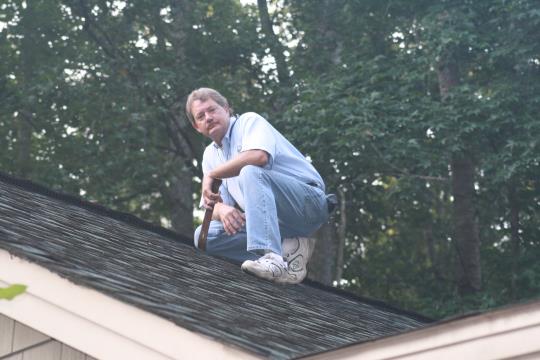
Services Offered by Roofing Contractors
Roof Installation
When it comes to installing a new roof, hiring a professional roofing contractor is crucial. Experienced roofing contractors in Charlotte, North Carolina can provide you with the expertise and knowledge needed to install a roof that will last for years to come. They will ensure that the roof is installed correctly, using high-quality materials and adhering to the latest industry standards. A reliable roofing contractor will also take into account your specific needs and preferences, offering you a wide range of roofing options to choose from.
Roof Repair
Whether your roof has suffered from storm damage, leaks, or general wear and tear, hiring a roofing contractor for roof repair is essential. Roofing contractors in Charlotte have the necessary skills and experience to accurately assess the damage and provide effective and long-lasting repairs. From fixing broken shingles to repairing flashing, a professional roofing contractor can restore the integrity of your roof and protect your home from further damage.
Roof Replacement
If your roof is beyond repair or nearing the end of its lifespan, it may be time to consider a roof replacement. Hiring a qualified roofing contractor in Charlotte is crucial to ensure a successful roof replacement project. These professionals have the expertise and tools required to safely remove the old roof and install a new one. They can guide you through the process, helping you choose the right materials and ensuring that the new roof meets your aesthetic preferences and budget.
Roof Inspection
Regular roof inspections are essential to identify potential issues and prevent major problems down the line. Professional roofing contractors in Charlotte offer comprehensive roof inspection services. They will thoroughly examine your roof, checking for signs of damage, leaks, or wear and tear. Roofing contractors can provide you with a detailed report of their findings and recommend any necessary repairs or maintenance. By scheduling regular roof inspections, you can prolong the lifespan of your roof and prevent costly repairs in the future.
Gutter Installation and Repair
Properly functioning gutters are vital to protect your home’s foundation and prevent water damage. Roofing contractors in Charlotte offer gutter installation and repair services to ensure that your gutters are working effectively. They can install new gutters, replace damaged sections, and provide routine maintenance to keep them clean and debris-free. With their expertise, roofing contractors can help you choose the right gutter system for your home and make sure it is properly installed and maintained.
Attic Insulation
Proper insulation is essential for energy efficiency and comfort in your home. Professional roofing contractors in Charlotte can inspect your attic and assess the insulation needs. They can install insulation materials, such as fiberglass or spray foam, to ensure that your attic is properly insulated. Effective attic insulation can help regulate temperature, reduce energy costs, and prevent ice dams during winter months.
Emergency Roofing Services
Roofing emergencies can happen at any time, whether it’s due to severe weather, fallen trees, or unexpected structural issues. In such situations, having access to emergency roofing services is crucial. Roofing contractors in Charlotte offer 24/7 emergency services to promptly address any roofing issues and minimize further damage to your home. They have the necessary tools and expertise to quickly assess the situation and provide temporary or permanent repairs, ensuring the safety and security of your home.
Qualities of a Reliable Roofing Contractor
When hiring a roofing contractor, it’s important to choose a reliable and reputable professional. Here are some key qualities to look for:
Experience and Expertise
A reliable roofing contractor should have extensive experience in the industry. Look for contractors who have been in business for several years and have a proven track record of successful projects. Experienced contractors have the knowledge and expertise to handle various roofing issues and can provide you with quality workmanship.
License and Insurance
Before hiring a roofing contractor, always verify their license and insurance. A licensed contractor has met the necessary requirements and regulations to operate legally. Insurance coverage, such as liability insurance and worker’s compensation, is essential to protect you from any potential liability in case of accidents or property damage during the project.
Local Knowledge
Opt for a roofing contractor with local knowledge and familiarity with the Charlotte area. Local contractors understand the unique weather conditions, building codes, and regulations specific to the region. They can offer valuable insights and recommendations tailored to your specific needs.
Excellent Customer Reviews
Check online reviews and testimonials to gauge the reputation of a roofing contractor. Positive reviews and ratings from satisfied customers are indicators of a reliable and trustworthy contractor. Take the time to read through reviews and look for recurring themes of professionalism, quality work, and customer satisfaction.
Quality Materials and Workmanship
A reliable roofing contractor will prioritize using high-quality materials and employing skilled workmanship. They will be knowledgeable about the latest roofing materials and techniques, ensuring that your roof is built to withstand the elements and provide long-lasting protection for your home.
Timely Project Completion
Reliable contractors understand the importance of staying on schedule and completing projects within the agreed-upon timeframe. They will provide you with a realistic timeline for the project and work diligently to meet deadlines.
Transparent Pricing
Choose a roofing contractor who provides transparent and detailed pricing information. A reliable contractor will provide you with a written estimate that clearly outlines the costs of materials, labor, and any additional expenses. Avoid contractors who give vague or verbal estimates.
Attention to Safety
A reputable roofing contractor prioritizes safety during all stages of the project. They will adhere to safety protocols and use proper safety equipment to protect their workers and your property. Ask potential contractors about their safety procedures and ensure that they follow industry-standard practices.
Good Communication Skills
Effective communication is crucial throughout the roofing project. A reliable contractor will listen to your concerns, address any questions or issues promptly, and provide regular updates on the project’s progress. Clear and open communication ensures that everyone is on the same page and helps build trust and confidence in the contractor.
Warranty and Guarantee
Choose a roofing contractor who offers warranties and guarantees on their work. A reliable contractor stands behind their craftsmanship and will provide you with warranties on materials and workmanship. This gives you peace of mind knowing that any future issues will be addressed and resolved.

Factors to Consider when Hiring Roofing Contractors
When hiring a roofing contractor in Charlotte, North Carolina, consider the following factors to ensure you choose the right professional for your project:
Local Reputation
Start by researching local roofing contractors and asking for recommendations from friends, family, or neighbors. Look for contractors with a strong local presence and a good reputation. Local contractors are often more familiar with regional weather conditions, building codes, and regulations.
Portfolio and Past Projects
Review the contractor’s portfolio and look for examples of their past projects. This will give you a sense of their capabilities, craftsmanship, and style. Look for projects similar to yours to ensure that they have the experience and expertise required to handle your specific roofing needs.
Credentials and Licensing
Verify that the contractor holds the necessary licenses and credentials required to operate legally. Check if they are members of any professional organizations or have received certifications in the roofing industry. These qualifications indicate their commitment to professional standards and ongoing training.
Insurance Coverage
Ensure that the contractor has proper insurance coverage, including liability insurance and worker’s compensation. Request to see their insurance certificates and verify their validity with the insurance provider. This protects you from potential liability in case of accidents or property damage during the project.
References and Recommendations
Ask the contractor for references or contact information of past clients. Reach out to these references to inquire about their experience working with the contractor. Ask about their level of satisfaction, the quality of workmanship, and any concerns or issues they encountered during the project.
Written Estimates
Obtain written estimates from multiple roofing contractors before making a decision. The estimates should outline all the costs associated with the project, including materials, labor, permits, and any additional fees. Be cautious of contractors who provide verbal or vague estimates.
Communication and Responsiveness
During the initial consultation and throughout the project, evaluate the contractor’s communication skills and responsiveness. A reliable contractor will promptly answer your calls or emails, address your questions or concerns, and provide regular updates on the project’s progress.
Contract Terms and Agreements
Before hiring a contractor, carefully review the contract terms and agreements. Ensure that all the project details, including materials, costs, timeline, and warranties, are clearly outlined in the contract. If anything is unclear or you have concerns, discuss them with the contractor before signing.
Availability and Schedule
Consider the contractor’s availability and schedule when planning your roofing project. Discuss the timeline and ensure that the contractor can accommodate your desired start and completion dates. Factors such as weather conditions or the contractor’s workload may influence the project schedule.
Price and Payment Options
While price should not be the sole determining factor, it is important to consider your budget when hiring a roofing contractor. Obtain detailed pricing information from each contractor and compare the value they provide. Discuss payment options and ensure that they align with your financial preferences.
Importance of Hiring Professional Roofing Contractors
Hiring a professional roofing contractor for your roofing needs offers numerous benefits:
Expertise and Knowledge
Professional roofing contractors have the expertise and knowledge required to handle various roofing projects. They stay updated with industry trends, regulations, and best practices, ensuring that your roof is built or repaired to the highest standards. Their experience allows them to identify potential issues before they become major problems.
Safety and Risk Prevention
Roofing can be a dangerous job, with potential risks of falls or accidents. Professional roofing contractors are trained in safety protocols and use the necessary equipment to mitigate risks. They prioritize safety for their workers and the occupants of your home, ensuring a safe working environment.
Time and Cost Efficiency
Hiring a professional roofing contractor can save you time and money in the long run. They have the knowledge and tools to efficiently complete the project within the agreed-upon timeframe. They can also help you save money by recommending cost-effective materials and preventing costly mistakes often made during DIY projects.
Quality Assurance
Professional roofing contractors are committed to delivering high-quality workmanship. They have access to quality materials and know the best practices for installation or repairs. Their work is often backed by warranties, ensuring that any future issues will be properly addressed.
Insurance Coverage
Working with a professional roofing contractor gives you the added protection of insurance coverage. Licensed contractors typically carry liability insurance and worker’s compensation, protecting you from any liability in case of accidents or property damage during the project.
Compliance with Building Codes
Roofing contractors are familiar with local building codes and regulations, ensuring that your roof installation or repair meets all the necessary requirements. This compliance gives you peace of mind knowing that your project will pass inspections and adhere to safety standards.
Avoiding DIY Mistakes
Attempting to repair or install a roof yourself can lead to costly mistakes and headaches. Professional roofing contractors have the necessary skills and experience to handle various roofing challenges. By hiring a professional, you avoid common DIY errors and ensure the longevity and durability of your roof.

Steps to Find the Best Roofing Contractor in Charlotte
If you’re looking for the best roofing contractor in Charlotte, North Carolina, follow these steps to make an informed decision:
Research and Gather Recommendations
Start by researching local roofing contractors in Charlotte. Ask friends, family, or neighbors for recommendations. You can also search online directories or websites dedicated to connecting homeowners with reliable contractors.
Check Online Reviews and Ratings
Read online reviews and ratings for the recommended roofing contractors. Look for recurring themes of excellent customer service, quality workmanship, and professionalism. Pay attention to any negative reviews and consider how the contractor addressed those concerns.
Evaluate Credentials and Licenses
Verify the credentials of the roofing contractors you’re considering. Check if they hold the necessary licenses and certifications required to operate legally. Look for any additional qualifications or memberships in professional organizations.
Verify Insurance Coverage
Ask contractors for their insurance certificates and verify the validity with the insurance provider. Ensure that they have liability insurance and worker’s compensation to protect you from potential liability in case of accidents or property damage during the project.
Contact and Interview Potential Contractors
Contact the roofing contractors you’re interested in and schedule initial consultations. Use this opportunity to ask questions and assess their professionalism, knowledge, and communication skills. Ask about their experience, previous projects, and their approach to your specific roofing needs.
Request and Compare Written Estimates
Obtain written estimates from multiple roofing contractors. The estimates should include detailed breakdowns of costs, materials, labor, permits, and any additional expenses. Compare the estimates to get an idea of the value each contractor provides.
Read and Understand Contract Terms
Carefully read and review the contract terms and agreements provided by the roofing contractors. Ensure that all project details, timelines, costs, and warranties are clearly outlined. Seek clarification on any unclear terms or concerns before signing the contract.
Confirm Availability and Schedule
Discuss the contractor’s availability and schedule to ensure it aligns with your desired start and completion dates. Consider external factors like weather conditions or the contractor’s workload that may affect the project timeline.
Finalize Payment Terms
Discuss and agree upon the payment terms with the contractor. Some may require a deposit upfront, while others may offer payment plans or milestone-based payments. Ensure that the payment terms are fair and align with your financial preferences.
Sign the Contract Agreement
Once you’ve selected a roofing contractor and reviewed the contract, sign the agreement. Make sure you and the contractor both retain copies of the signed contract for reference. This signed agreement solidifies the agreement and protects both parties throughout the project.
Common Roofing Issues Faced by Homeowners
Understanding common roofing issues can help you identify problems and take timely action. Here are some common issues faced by homeowners:
Leaking Roofs
Leaks are one of the most common roofing problems. They can be caused by damaged shingles, gaps in flashing, deteriorated sealant, or poor installation. Promptly addressing leaks is crucial to prevent water damage and mold growth.
Missing or Damaged Shingles
Missing or damaged shingles can leave your roof vulnerable to leaks and further damage. Shingles can be damaged by severe weather, age, or poor installation. Replacing missing or damaged shingles in a timely manner helps maintain the integrity of your roof.
Roof Ventilation Problems
Inadequate roof ventilation can lead to a range of problems, including heat and moisture buildup, reduced energy efficiency, and premature deterioration of the roof. Proper ventilation ensures good airflow, preventing damage to the roof and the overall structure.
Flashing Issues
Flashing is the material used to seal joints and prevent water intrusion. Damaged or improperly installed flashing can result in leaks. Regularly inspect and maintain flashing to ensure it remains in good condition.
Pooling Water on Flat Roofs
Flat roofs are susceptible to water pooling due to inadequate drainage. Standing water can lead to roof leaks and structural damage. Proper installation of drains and regular inspections can help prevent pooling water.
Condensation and Ice Dam Formation
Condensation in the attic can lead to moisture-related issues, including mold growth and wood rot. Additionally, ice dams can form on roofs during winter, causing water to back up and potentially enter the home. Proper insulation, ventilation, and attic moisture control can help prevent these issues.
Sagging or Deteriorating Roofs
Sagging or deteriorating roofs can indicate structural issues or damage. These issues should be addressed promptly, as they can compromise the structural integrity of your home. Consult a professional roofing contractor to properly assess and address the problem.
Pest Infestations
Pests, such as rodents or birds, can cause damage to the roofing system. They may chew through shingles, create nests, or clog gutters. Regular inspections and maintenance can help detect and address any pest infestations.
High Energy Bills
If you notice a significant increase in your energy bills, it may be a sign of an issue with your roof’s insulation or ventilation. Poorly insulated or ventilated roofs can let temperature-controlled air escape, leading to higher energy consumption.

Choosing the Right Roofing Materials
Selecting the right roofing materials is crucial for the durability, energy efficiency, and aesthetic appeal of your roof. Here are some popular roofing materials to consider:
Asphalt Shingles
Asphalt shingles are one of the most common and cost-effective roofing materials. They are available in a variety of colors, styles, and thicknesses, and are relatively easy to install. Asphalt shingles offer good protection against weather elements and have a lifespan of about 20 to 30 years.
Metal Roofing
Metal roofs are known for their durability, longevity, and energy efficiency. They can withstand extreme weather conditions and have a lifespan of 50 years or more. Metal roofs come in various styles, including standing seam, corrugated panels, and metal shingles.
Slate Tiles
Slate tiles are natural stone tiles that offer a luxurious and timeless appearance. They are durable, fire-resistant, and can last over 100 years with proper maintenance. Slate tiles are often chosen for their aesthetic appeal and durability.
Wood Shakes
Wood shakes or shingles provide a classic and rustic look. They are typically made from cedar or redwood and offer excellent insulation properties. Wood shakes require proper maintenance to prevent rot or pests and have a lifespan of about 30 to 40 years.
Clay or Concrete Tiles
Clay or concrete tiles are popular for their durability and aesthetic appeal. They are resistant to fire, rot, and insects. These tiles are available in various colors and profiles, offering versatility in design. Clay or concrete tiles have a lifespan of 50 to 100 years.
Rubber Roofing
Rubber roofing, also known as EPDM roofing, is a durable and cost-effective option for flat or low-slope roofs. It is resistant to UV rays, ozone, and weathering. Rubber roofing is relatively easy to install and has a lifespan of 20 to 30 years.
Composite Roofing
Composite roofing materials, such as composite shingles or synthetic slates, offer a combination of durability, aesthetics, and affordability. They mimic the appearance of natural materials while providing added benefits like fire resistance and low maintenance.
Green Roofing Solutions
Green roofing solutions, like vegetative roofs or solar roofs, offer environmentally friendly options. Vegetative roofs utilize living plants to provide insulation and reduce stormwater runoff. Solar roofs incorporate solar panels to generate renewable energy. These green roofing solutions contribute to energy efficiency and sustainability.
Tips for Maintaining your Roof’s Integrity
Proper maintenance and care are vital to ensure the integrity and longevity of your roof. Here are some essential tips for maintaining your roof:
Regular Inspections
Schedule regular inspections of your roof to identify any potential issues or damage. Inspect for missing or damaged shingles, cracked flashing, or signs of leaks. Regular inspections help you address problems early and prevent costly repairs.
Cleaning Gutters and Downspouts
Regularly clean your gutters and downspouts to prevent clogs and water backup. Blocked gutters can lead to water overflow, which can damage the roofing materials and the foundation of your home. Remove debris, such as leaves or twigs, from the gutters to ensure proper water flow.
Trimming Surrounding Trees
Overhanging branches can damage your roof, particularly during storms or high winds. Trim tree branches that hang over or touch your roof to prevent them from falling or causing damage. This reduces the risk of broken shingles or punctured roofing materials.
Removing Debris and Moss
Remove any debris, such as leaves or branches, from your roof regularly. Debris can trap moisture, leading to mold or moss growth. Use a soft-bristle brush or a leaf blower to gently remove debris. If you notice moss growth, consider using a moss control solution or contacting a professional for removal.
Addressing Repairs Promptly
Address any roofing repairs promptly to prevent further damage. Whether it’s replacing a few missing shingles or fixing a leak, timely repairs ensure the longevity and integrity of your roof. Consult a professional roofing contractor for any repairs beyond your expertise.
Protecting Against Pest Infestations
To prevent pest infestations, address any potential entry points or gaps in your roof structure. Regularly inspect and seal any cracks or holes that pests can use to access your home. Trim trees or vegetation near your roof to reduce the chances of pests entering your attic.
Ensuring Proper Ventilation
Proper ventilation is crucial for maintaining your roof’s health. Ensure that your attic has proper ventilation to reduce heat buildup and prevent moisture-related issues. Consult a professional roofing contractor to assess your ventilation needs and make necessary adjustments.
Preventing Ice Dams
Ice dams can form on roofs during winter, causing water backup and potential leaks. Ensure proper attic insulation and ventilation to prevent the formation of ice dams. Consider adding insulation or roof heating cables to mitigate the risk of ice dam formation.
Scheduled Roof Maintenance
Consider scheduling regular roof maintenance with a professional roofing contractor. They can provide routine inspections, cleaning, and maintenance to keep your roof in optimal condition. Regular maintenance helps identify and address minor issues before they escalate.

Questions to Ask Roofing Contractors
When interviewing potential roofing contractors in Charlotte, North Carolina, ask the following questions to make an informed decision:
How long have you been in business?
Inquire about the contractor’s experience and how long they have been in the roofing industry. More experienced contractors often have a greater understanding of various roofing challenges and can provide quality workmanship.
Are you licensed and insured?
Confirm that the contractor holds the necessary licenses and insurance coverage, such as liability insurance and worker’s compensation. This protects both you and the contractor in case of accidents or property damage during the project.
Do you have local references?
Ask for references from previous clients in the Charlotte area. Contact these references to gather insights into the contractor’s professionalism, quality of work, and timeliness.
What roofing materials do you recommend?
Discuss roofing material options with the contractor. A knowledgeable contractor can recommend materials suitable for your climate, aesthetic preferences, and budget. Consider their expertise and assess the pros and cons of different material options.
What is the estimated timeline for the project?
Inquire about the estimated timeline for your roofing project. This helps you plan and ensures that the contractor’s schedule aligns with your needs and expectations.
How do you handle unexpected issues or delays?
It’s important to understand how the contractor handles unexpected issues or delays. Ask about their problem-solving approach and how they communicate with clients in such situations.
Will you obtain the necessary permits?
For roofing projects that require permits, ensure that the contractor will handle the permit application process. This saves you the hassle of navigating the permitting requirements yourself.
What is your warranty and guarantee policy?
Ask about the warranty and guarantee policy for the contractor’s workmanship and the materials used. A reliable contractor typically offers warranties that cover their work for a specified period.
How do you ensure safety during the project?
Inquire about the contractor’s safety protocols and equipment. Safety should be a top priority to protect the workers and your property during the project.
What are the payment options?
Discuss the payment options available to you. Some contractors require a deposit upfront, while others offer payment plans or milestone-based payments. Ensure that the payment terms align with your financial preferences.
Permits and Regulations for Roofing Projects in Charlotte
Roofing projects in Charlotte, North Carolina may require permits and compliance with specific regulations. Here are some important considerations:
Permit Requirements
Certain roofing projects, such as full roof replacements or significant structural modifications, may require permits. It is essential to research and understand the specific permit requirements for your roofing project. Your roofing contractor can assist you in obtaining the necessary permits and ensuring compliance.
Code Compliance
Roofing projects must adhere to local building codes and regulations. These codes ensure the safety and structural integrity of the roofs. Hiring a professional roofing contractor with knowledge of local building codes helps ensure compliance and avoids potential issues during inspections.
HOA Restrictions
If your property is part of a homeowners’ association (HOA), there may be additional restrictions or guidelines for roofing projects. Consult your HOA documents or contact the association to understand any specific requirements or approvals needed for your roofing project.
Environmental Regulations
Charlotte, North Carolina, has certain environmental regulations that may impact roofing projects. For example, the disposal of roofing materials or the use of certain materials may have specific guidelines or restrictions. Ensure that your roofing contractor follows all environmental regulations to minimize any negative impact on the environment.
Safety Standards
Roofing projects must adhere to safety standards to protect workers, occupants, and the surrounding property. Safety measures include using proper equipment, following fall protection guidelines, and ensuring a safe working environment. Choose a roofing contractor who prioritizes safety and follows the necessary safety standards.
Insurance Requirements
Some roofing projects may have insurance requirements to protect both the contractor and the property owner. Review your insurance policy and consult your roofing contractor to ensure compliance with the necessary insurance coverage.
In conclusion, hiring a reliable roofing contractor is essential for any roofing project in Charlotte, North Carolina. Professional contractors offer a wide range of services, including roof installation, repair, replacement, and maintenance. When selecting a contractor, consider their experience, credentials, local reputation, and communication skills. It is important to evaluate factors such as insurance coverage, references, and written estimates. Hiring a professional roofing contractor ensures expertise, safety, and compliance with building codes. Regular maintenance, prompt repairs, and proper materials selection are essential for maintaining your roof’s integrity. Finally, asking relevant questions, understanding local permits and regulations, and considering environmental impacts are crucial steps in finding the best roofing contractor in Charlotte.