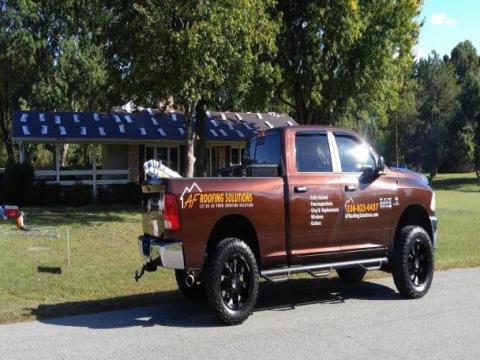
Are you in need of a trustworthy and reliable roofing contractor in Greensboro, North Carolina? Look no further! We have the expertise and experience to handle all your roofing needs. Whether you require a roof repair, replacement, or installation, our team of professionals is ready to assist you. With a commitment to top-notch quality and customer satisfaction, we strive to provide you with the best roofing services in Greensboro. Trust us to protect your home and keep you safe and dry.

1. Services Provided by Roofing Contractors
Roofing contractors offer a wide range of services to cater to the needs of both residential and commercial clients. Whether you need a simple repair or a complete roof replacement, these professionals have the expertise and tools to get the job done efficiently and effectively. Here are some of the key services provided by roofing contractors:
1.1 Residential Roofing Services
When it comes to your home, the roof is one of the most important components. Residential roofing services encompass a variety of tasks, including roof repair, installation, and replacement. Whether you have a leaky roof, damaged shingles, or an aging roof that needs to be replaced, a reputable roofing contractor can handle it all. They have the knowledge and experience to assess your roof’s condition and recommend the best course of action.
1.2 Commercial Roofing Services
Commercial roofs have different requirements compared to residential roofs. They are usually larger in scale and more complex in design. Commercial roofing services include installation, repair, and maintenance of roofs for businesses, offices, and other commercial establishments. These services require specialized expertise and equipment to ensure that the roof is able to withstand the unique challenges of commercial environments.
1.3 Roof Repair and Maintenance
Roof repair and maintenance are essential to prolonging the lifespan of your roof. Even a minor issue like a small leak can quickly escalate into a major problem if left unaddressed. Roofing contractors have the skills and knowledge to conduct thorough inspections, identify any issues, and provide the necessary repairs. They can also perform routine maintenance tasks such as cleaning gutters, clearing debris, and sealing roof penetrations to prevent future problems.
1.4 Roof Installation
Whether you’re building a new home or constructing a commercial building, proper roof installation is crucial. Hiring a professional roofing contractor ensures that the installation is done correctly and in compliance with building codes and industry standards. They have the expertise to handle different types of roofing materials and can provide recommendations based on your specific needs and preferences.
1.5 Roof Replacement
If your roof has reached the end of its lifespan or has sustained significant damage, a roof replacement may be necessary. Roofing contractors can guide you through the process of selecting the most suitable replacement materials and ensure a seamless installation. They will remove your old roof, prepare the surface, and install the new roof to ensure its longevity and functionality.
2. Qualities of a Reliable Roofing Contractor
When it comes to hiring a roofing contractor, it’s important to choose one with the right qualities and credentials. A reliable contractor will not only deliver high-quality workmanship but also provide a positive experience from start to finish. Here are some key qualities to look for when selecting a roofing contractor:
2.1 Experience and Expertise
One of the most important qualities of a reliable roofing contractor is their experience and expertise in the industry. Look for contractors with a proven track record of successful projects and a solid reputation in the market. Experienced contractors have the knowledge and skills to handle various roofing challenges and can provide effective solutions tailored to your specific needs.
2.2 Licensing and Insurance
It’s crucial to hire a roofing contractor who is properly licensed and insured. A valid license indicates that the contractor has met the necessary requirements and has the legal authority to operate. Insurance, on the other hand, is essential to protect both you and the contractor in case of any accidents or damages during the roofing project. Make sure to ask for proof of licensing and insurance before hiring a contractor.
2.3 Good Reputation and References
A reputable roofing contractor should have a good reputation within the industry and among their past clients. Look for online reviews and ratings to get an idea of their reputation. Additionally, ask the contractor for references from previous customers. Contacting these references can provide valuable insights into the contractor’s workmanship, professionalism, and overall satisfaction level.
2.4 Competitive Pricing
While pricing shouldn’t be the sole determining factor, it’s still important to consider the contractor’s pricing. A reliable roofing contractor will provide fair and competitive pricing for their services. Be cautious of extremely low prices, as they may indicate subpar quality or the use of inferior materials. Aim for a balance between quality and affordability when evaluating the quotes provided by different contractors.
2.5 Accurate Estimates
A reliable roofing contractor should provide accurate and detailed estimates for the work to be performed. This includes a breakdown of the costs involved, the timeline of the project, and any additional services or materials required. By providing accurate estimates, the contractor demonstrates transparency and ensures that you have a clear understanding of the scope and cost of the project.
3. Understanding Roofing Materials
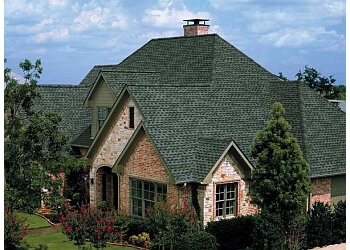
Choosing the right roofing material is crucial for the longevity, functionality, and aesthetics of your roof. There are several different types of roofing materials available, each with its own unique characteristics and benefits. Understanding the options will help you make an informed decision when it comes to selecting the roofing material for your property. Here are some common types of roofing materials:
3.1 Asphalt Shingles
Asphalt shingles are the most popular and widely used roofing material in North America. They are affordable, easy to install, and come in a variety of colors and styles to suit different architectural styles. Asphalt shingles are durable and offer good weather resistance, making them suitable for various climates.
3.2 Metal Roofing
Metal roofing is known for its durability and longevity. It can last up to 50 years or more with proper care and maintenance. Metal roofs are resistant to fire, rot, and pests, making them an excellent choice for areas prone to extreme weather conditions. They are available in a variety of styles, including standing seam, corrugated, and metal tiles.
3.3 Tile Roofing
Tile roofing is a popular choice for its aesthetic appeal and durability. Tiles are available in various materials, including clay, concrete, and composite. Tile roofs are known for their longevity, lasting up to 50 years or more. They provide excellent insulation properties and are resistant to fire, rot, and insect damage. Tile roofs are commonly seen in Mediterranean and Spanish-style architecture.
3.4 Slate Roofing
Slate roofing is highly regarded for its timeless beauty and exceptional durability. Slate tiles are natural stone and can last over a century with proper installation and maintenance. They offer excellent fire resistance and are highly resistant to harsh weather conditions. Slate roofs are often seen on historical and high-end residential buildings.
3.5 Wood Shake Roofing
Wood shake roofing provides a natural and rustic look to your property. It offers excellent insulation properties and is energy efficient. Wood shakes are typically made from cedar or other durable wood species. However, they require regular maintenance, including sealing and treating, to prevent rot and prolong their lifespan. Wood shake roofs are commonly found in traditional and cottage-style homes.
4. Factors to Consider when Choosing a Roofing Contractor
Selecting the right roofing contractor is crucial for the success of your roofing project. By considering certain factors, you can ensure that you hire a contractor who meets your expectations and delivers satisfactory results. Here are some important factors to consider when choosing a roofing contractor:
4.1 Local Knowledge and Experience
Hiring a roofing contractor with local knowledge and experience is advantageous. Local contractors understand the unique challenges and weather conditions in your area. They are familiar with the local building codes and regulations, ensuring that your roof installation or repair meets the required standards. Local contractors also have established relationships with suppliers and other professionals in the industry, which can facilitate a smooth and efficient construction process.
4.2 Certifications and Manufacturers’ Warranties
Roofing contractors who hold relevant certifications and have partnerships with manufacturers offer an added level of assurance. Certifications indicate that the contractor has received specialized training and is knowledgeable about the latest industry standards. Additionally, working with a contractor who is authorized by manufacturers allows you to take advantage of extended warranties on the materials used for your roof.
4.3 Customer Reviews and Ratings
Reading customer reviews and checking the ratings of a roofing contractor can provide valuable insights into their reputation and the quality of their work. Online platforms and review websites are good sources for unbiased feedback from previous customers. Positive reviews and high ratings indicate a contractor’s reliability, professionalism, and customer satisfaction.
4.4 Workmanship and Warranty
A reputable roofing contractor takes pride in their workmanship and stands behind it with a warranty. Look for contractors who offer warranties on both labor and materials. A comprehensive warranty provides peace of mind and ensures that the contractor will address any issues that may arise after the completion of the project. Be sure to read and understand the warranty terms and conditions before finalizing the agreement.
4.5 Communication and Responsiveness
Effective communication and responsiveness are key qualities of a reliable roofing contractor. Look for contractors who promptly return your calls or emails and clearly communicate the project timeline, progress, and any potential challenges. Good communication ensures that you are kept informed throughout the entire roofing process, allowing you to make necessary decisions and stay updated on the project’s status.
5. Steps to Hiring a Roofing Contractor
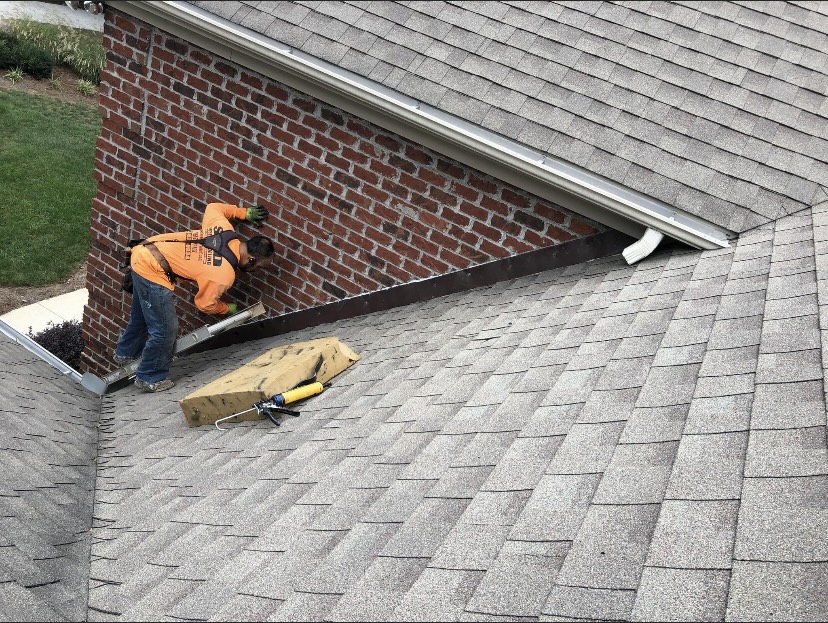
When it comes to hiring a roofing contractor, following a systematic approach can help ensure a smooth and successful experience. By taking these steps, you can make an informed decision and select a contractor who is the right fit for your needs. Here are the steps you should follow when hiring a roofing contractor:
5.1 Research and Gather Recommendations
Start by conducting thorough research on roofing contractors in your area. Ask friends, family, and neighbors for recommendations based on their own experiences. Additionally, check online directories and review websites to gather a list of potential contractors. Take the time to read customer reviews and ratings to get an idea of their reputation and the quality of their work.
5.2 Check Licensing and Insurance
Before hiring a roofing contractor, verify their licensing and insurance. Request to see their license and certifications to ensure that they are legally authorized to perform roofing work in your area. Additionally, ask for proof of insurance to protect yourself and the contractor in case of any accidents or damages during the project.
5.3 Request and Evaluate Quotes
Contact multiple roofing contractors and request detailed quotes for your project. The quotes should include a breakdown of the costs, the materials to be used, and the estimated timeline. Carefully evaluate the quotes, considering not only the price but also the quality of materials and the scope of work included. Be wary of unusually low or high quotes, as they may indicate poor quality or hidden costs.
5.4 Review Contracts and Warranties
Once you have narrowed down your list of potential contractors, request copies of their contracts and warranties. Review the contracts thoroughly, paying attention to the scope of work, payment terms, and warranty details. If there is any ambiguity or if you have any questions, don’t hesitate to seek clarification from the contractor. Ensure that both parties are in agreement and that all requirements are clearly stated in the contract.
5.5 Finalize the Agreement
After reviewing the contracts and warranties, select the roofing contractor who best meets your requirements. Contact the chosen contractor to finalize the agreement and schedule the project. Make sure to sign the contract and keep a copy for your records. Prior to the start of the project, communicate with the contractor to confirm any final details and to ensure that all necessary permits and materials are in order.
6. Common Roofing Problems in North Carolina
North Carolina is no stranger to roofing problems, thanks to its diverse climate and potential for severe weather. Being aware of these common roofing issues can help you take proactive measures to prevent or address them promptly. Here are some of the most common roofing problems in North Carolina:
6.1 Moisture and Leaks
Moisture and leaks are pervasive problems that can cause significant damage to your roof and the underlying structure. The combination of heavy rainfall and humidity in North Carolina can lead to the accumulation of moisture and the development of leaks. It’s important to promptly address any signs of moisture or leaks, such as water stains or dampness on your ceiling.
6.2 Storm Damage
North Carolina experiences a variety of extreme weather conditions, including hurricanes, thunderstorms, and heavy winds. These weather events can cause severe damage to roofs, such as missing shingles, torn flashing, or even complete roof collapses. After a storm, it’s crucial to have your roof inspected by a professional to assess the extent of the damage and determine the necessary repairs or replacements.
6.3 Shingle or Tile Damage
Shingles and tiles are often susceptible to damage due to their exposure to the elements. High winds, heavy rain, and hail can dislodge or crack shingles and tiles, compromising the integrity of your roof. Regularly inspect your roof for any signs of damage, such as cracked or missing shingles, loose tiles, or granule loss. Prompt repairs or replacements can prevent further damage and prolong the lifespan of your roof.
6.4 Improper Installation
Improper installation is a common issue that can lead to various roofing problems. If your roof was not installed correctly, it may be more prone to leaks, poor ventilation, and premature deterioration. Hiring a professional and experienced roofing contractor for installation is essential to ensure proper techniques and adherence to industry standards. Investing in proper installation upfront can save you from costly repairs and replacements down the line.
6.5 Insufficient Ventilation
Inadequate ventilation is a prevalent issue in many homes and can cause a range of problems, including moisture buildup, mold growth, and increased energy consumption. North Carolina’s hot and humid climate makes proper roof ventilation crucial for maintaining a comfortable indoor environment and preventing damage to your roof and attic. A reputable roofing contractor can evaluate your roof’s ventilation system and recommend appropriate solutions.
7. Benefits of Professional Roof Repair and Maintenance
Regular roof repair and maintenance are essential for ensuring the longevity and performance of your roof. By investing in professional services, you can enjoy a range of benefits that will ultimately save you time, money, and stress. Here are some of the key benefits of professional roof repair and maintenance:
7.1 Extends Roof Lifespan
A well-maintained roof has a longer lifespan than one that is neglected. Professional roof repair and maintenance can address minor issues before they escalate into major problems that require costly repairs or replacements. Regular inspections, cleaning, and minor repairs can significantly extend the lifespan of your roof, saving you from the expense of premature replacement.
7.2 Prevents Costly Repairs
By addressing issues early on, professional roof repair and maintenance can help prevent costly repairs. Leaks, cracks, and other minor damage can worsen over time and lead to extensive water damage, mold growth, and structural issues. By fixing these issues promptly, you can avoid the need for expensive repairs and mitigate the risk of more significant damage.
7.3 Enhances Energy Efficiency
A properly maintained roof contributes to better energy efficiency in your home or commercial building. Leaks, gaps, and insufficient insulation can lead to significant heat loss during the colder months and higher cooling costs during the hot summer months. Professional roof repair and maintenance can ensure that your roof is properly sealed, insulated, and ventilated, improving energy efficiency and reducing your energy bills.
7.4 Improves Curb Appeal
The condition of your roof significantly impacts the overall curb appeal of your property. A well-maintained roof enhances the aesthetic appeal of your home or commercial building, making it more visually appealing to potential buyers or visitors. Regular cleaning, repair of damaged shingles, and removal of debris can help keep your roof looking its best and maintain a positive impression.
7.5 Increases Property Value
Investing in professional roof repair and maintenance can increase the value of your property. A well-maintained roof is an attractive feature for potential buyers and can differentiate your property from others on the market. A roof in good condition and with a long lifespan can be seen as a valuable asset when it comes to selling or appraising your property.
8. Green Roofing Solutions and Sustainable Practices
In recent years, there has been a growing emphasis on environmentally friendly practices and sustainable solutions in the construction industry, including roofing. Green roofing solutions not only benefit the environment but also offer a range of advantages for property owners. Here are some common green roofing practices and their benefits:
8.1 Energy-Efficient Roofing Materials
Energy-efficient roofing materials are designed to reflect sunlight and reduce the transfer of heat into your property. This can help lower cooling costs during the hot summer months, reduce reliance on air conditioning systems, and minimize your carbon footprint. Energy-efficient roofing materials include cool roofs, reflective shingles, and metal roofs with reflective coatings.
8.2 Roof Insulation
Proper roof insulation plays a crucial role in maintaining comfortable indoor temperatures and reducing energy consumption. Adequate insulation prevents heat loss during the winter and heat gain during the summer. It helps maintain a consistent and comfortable indoor temperature, reducing the need for excessive heating or cooling. Well-insulated roofs can result in lower energy bills and reduced greenhouse gas emissions.
8.3 Rainwater Harvesting
Rainwater harvesting involves collecting and storing rainwater for various non-potable uses, such as irrigation and toilet flushing. Installing a rainwater harvesting system on your roof reduces the strain on municipal water supplies, conserves water resources, and reduces water bills. It is an environmentally friendly practice that promotes water sustainability and conservation.
8.4 Solar Panels
Solar panels, also known as photovoltaic systems, convert sunlight into electricity. Installing solar panels on your roof allows you to generate clean and renewable energy, reducing your reliance on fossil fuels and lowering your electricity bills. Solar panels can have a significant impact on reducing your carbon footprint and contribute towards a more sustainable future.
8.5 Cool Roof Systems
Cool roof systems are designed to minimize heat absorption and maximize heat reflection. They are typically made with light-colored or reflective materials that reduce the temperature of the roof surface, thereby reducing the amount of heat transferred into the building. Cool roofs can significantly reduce energy consumption, lower cooling costs, and improve indoor comfort.
Implementing these green roofing solutions and sustainable practices can not only benefit the environment but also provide long-term savings and improved energy efficiency for property owners.
9. Importance of Proper Roof Installation
Proper roof installation is crucial to ensure the long-term integrity and functionality of your roof. Cutting corners or hiring inexperienced contractors can result in a host of problems down the line. Here are some key reasons why proper roof installation is essential:
9.1 Ensures Structural Integrity
Proper roof installation ensures that your roof is structurally sound and capable of withstanding the elements. Skilled roofing contractors are trained to follow industry best practices and use proper installation techniques. By adhering to these standards, they can ensure that your roof is structurally stable, reducing the risk of collapses or other structural failures.
9.2 Prevents Leaks and Water Damage
One of the primary purposes of a roof is to protect your property from water intrusion. Improper installation can result in gaps, loose shingles, or other entry points for water. A well-installed roof, on the other hand, provides a reliable barrier against moisture, preventing leaks and water damage to the interior of your property.
9.3 Protects against Harsh Weather
Properly installed roofs are designed to withstand the harsh weather conditions prevalent in North Carolina, including high winds, heavy rain, and hail. Contractors familiar with local weather patterns know how to design and install roofs that can withstand these challenges. Investing in proper installation ensures that your roof is resilient and can provide adequate protection during extreme weather events.
9.4 Improves Energy Efficiency
A properly installed roof contributes to improved energy efficiency in your property. By having a well-sealed roof with proper insulation, you can minimize heat loss during the winter and heat gain during the summer. This results in reduced energy consumption, lower heating and cooling costs, and a more comfortable indoor environment.
9.5 Validates Manufacturer Warranties
Many roofing material manufacturers offer warranties on their products, but these warranties often require proper installation by a certified roofing contractor. Without proper installation, the manufacturer may not honor the warranty in case of issues or defects. By hiring a professional roofing contractor for installation, you can ensure that your roof is eligible for any potential manufacturer warranties, providing added protection and peace of mind.
10. Conclusion
Choosing the right roofing contractor and understanding the services they provide is crucial for the success of your roofing project. Whether you need residential or commercial roofing services, it’s important to hire a reliable contractor with experience, expertise, and a good reputation. Understanding the different roofing materials available and the factors to consider when selecting a contractor will help you make an informed decision.
Proper roof repair and maintenance are essential for prolonging the lifespan of your roof, preventing costly repairs, and enhancing energy efficiency. Investing in green roofing solutions and sustainable practices can further contribute to a more environmentally friendly property.
By prioritizing proper roof installation, you can ensure the structural integrity of your roof, protect against leaks and water damage, and improve energy efficiency. Following the steps to hiring a roofing contractor and being aware of common roofing problems in North Carolina will help you navigate the process more effectively.
In conclusion, by understanding the importance of roofing services, selecting a reliable contractor, and prioritizing the well-being of your roof, you can enjoy a long-lasting, functional, and visually appealing roof that adds value to your property.