
When you look up at your roof, one of the first signs that something might be amiss is the condition of your shingles. If you notice that they are curling or buckling, it’s a clear indication that your roof is in distress. Curling shingles often occur due to age, poor installation, or inadequate ventilation.
As the shingles age, they lose their flexibility and can no longer lie flat against the roof surface. This not only affects the aesthetic appeal of your home but also compromises the roof’s ability to protect against the elements. Buckling shingles, on the other hand, can be a result of moisture trapped beneath the roofing material or improper installation techniques.
When shingles buckle, they create gaps that can allow water to seep through, leading to potential leaks and further damage. If you find yourself in this situation, it’s crucial to address the issue promptly. Ignoring curling or buckling shingles can lead to more extensive repairs down the line, costing you both time and money.
Regular inspections and maintenance can help catch these problems early, ensuring your roof remains in good condition for years to come.
Key Takeaways
- Shingles that are curling or buckling may indicate a need for roof repair or replacement
- A leaking roof can lead to water damage and should be addressed promptly
- Visible damage to the roof, such as missing shingles or cracks, should be inspected by a professional
- The age of the roof can impact its integrity and may require maintenance or replacement
- A sagging roof may indicate structural issues and should be evaluated by a professional promptly
Roof is Leaking
A leaking roof is one of the most alarming signs that your roofing system needs immediate attention. The sound of dripping water or the sight of water stains on your ceiling can send anyone into a panic. Leaks can occur for various reasons, including damaged shingles, worn-out flashing, or even clogged gutters.
When water penetrates your roof, it can lead to significant structural damage and mold growth if not addressed quickly. To determine the source of a leak, you may need to conduct a thorough inspection of your roof. Look for missing or damaged shingles, as well as any areas where water might be pooling.
If you’re not comfortable climbing onto your roof, consider hiring a professional to assess the situation. Remember that a small leak can quickly escalate into a much larger problem if left untreated. Taking action at the first sign of a leak can save you from costly repairs and ensure your home remains safe and dry.
Visible Damage to Roof
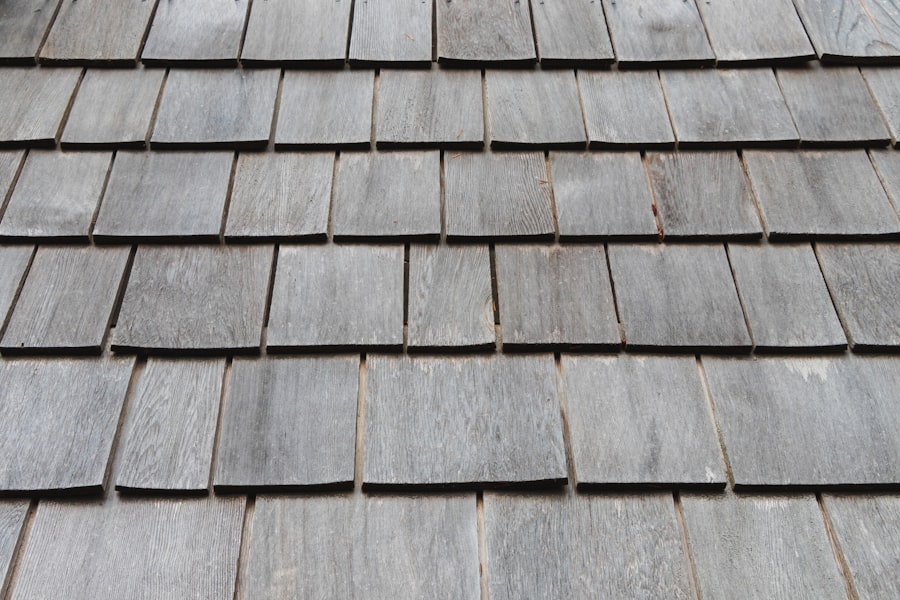
Visible damage to your roof is another critical indicator that it may be time for repairs or even a full replacement. This damage can manifest in various forms, such as missing shingles, cracks, or even holes in the roofing material. Each of these issues can compromise the integrity of your roof and expose your home to potential water damage and other hazards.
When you notice visible damage, it’s essential to assess the extent of the problem. Minor issues may be repairable with simple patching or shingle replacement, but more severe damage could necessitate a complete roof overhaul. Regular inspections can help you catch these problems early before they escalate into more significant concerns.
If you’re unsure about the severity of the damage, consulting with a roofing professional can provide clarity and guidance on the best course of action.
Age of Roof
The age of your roof plays a significant role in its overall health and functionality. Most roofing materials have a lifespan ranging from 20 to 50 years, depending on the type used. If your roof is approaching or has surpassed its expected lifespan, it’s time to start considering replacement options.
An aging roof is more susceptible to damage from weather elements and may not provide adequate protection for your home. Even if your roof appears to be in decent condition, age-related wear and tear can lead to hidden issues that may not be immediately visible. Regular inspections become increasingly important as your roof ages, allowing you to identify potential problems before they become critical.
If you find yourself frequently repairing your roof due to age-related issues, it may be more cost-effective in the long run to invest in a new roofing system that will provide better protection and peace of mind.
Sagging Roof
A sagging roof is a serious concern that should never be ignored. This issue often indicates underlying structural problems that could compromise the safety of your home. A sagging roof can result from various factors, including excessive weight from snow or ice accumulation, water damage, or even poor construction practices.
If you notice any sagging areas on your roof, it’s crucial to take immediate action. Ignoring a sagging roof can lead to catastrophic consequences, including complete roof failure. It’s essential to have a professional evaluate the situation to determine the cause of the sagging and recommend appropriate solutions.
In some cases, reinforcing the structure may be possible; however, if the damage is extensive, a full replacement may be necessary. Prioritizing repairs for a sagging roof is vital for maintaining the safety and integrity of your home.
Increased Energy Bills

If you’ve noticed a sudden spike in your energy bills without any changes in usage patterns, it could be an indication that your roof is not performing as it should. A compromised roofing system can lead to poor insulation and ventilation, causing your heating and cooling systems to work overtime to maintain comfortable indoor temperatures. This inefficiency not only affects your comfort but also puts unnecessary strain on your wallet.
To address this issue, consider having an energy audit conducted on your home. This assessment can help identify areas where energy loss is occurring and determine whether your roof is contributing to the problem. In some cases, simple repairs or upgrades to insulation may suffice; however, if your roof is significantly aged or damaged, a replacement may be necessary to improve energy efficiency.
Investing in a new roofing system can lead to long-term savings on energy bills while enhancing your home’s overall comfort.
Moss or Algae Growth
Moss and algae growth on your roof may seem like a minor aesthetic issue at first glance, but it can indicate more significant problems lurking beneath the surface. These organisms thrive in damp environments and can trap moisture against your roofing material, leading to deterioration over time. If left unchecked, moss and algae can cause shingles to lift or break down prematurely.
To combat moss and algae growth, regular cleaning and maintenance are essential. You can use specialized cleaning solutions designed for roofs or hire professionals who specialize in this type of work. Additionally, ensuring proper drainage and ventilation can help prevent future growth by reducing moisture accumulation on your roof’s surface.
Addressing moss and algae issues promptly will not only improve your home’s curb appeal but also extend the life of your roofing system.
Roof Decking Issues
Roof decking issues are often hidden from view but can have serious implications for the overall integrity of your roofing system. The decking serves as the foundation for your roof and provides support for shingles and other materials. If you notice signs of sagging or feel soft spots when walking on your roof, it could indicate that the decking has been compromised by water damage or rot.
Addressing decking issues requires immediate attention from a qualified professional who can assess the extent of the damage and recommend appropriate repairs or replacements. Ignoring these problems can lead to further deterioration and potentially costly repairs down the line. Regular inspections are crucial for identifying decking issues early on, allowing you to take proactive measures to protect your home and ensure its longevity.
In conclusion, being vigilant about the condition of your roof is essential for maintaining the safety and integrity of your home. From curling shingles to visible damage and age-related concerns, recognizing these signs early can save you time and money in the long run. Regular inspections and maintenance are key components in prolonging the life of your roofing system while ensuring that it continues to provide adequate protection against the elements.
Whether it’s addressing leaks or tackling moss growth, taking action at the first sign of trouble will help keep your home safe and secure for years to come.
If you are considering a roof replacement, it is important to gather quotes and estimates from reputable roofing contractors. Requesting Roofing Quotes and Estimates is a crucial step in the process, as outlined in this informative article here. Whether you are in Fresno, California or Buffalo, New York, finding the right roofing contractor is essential to ensuring a successful roof replacement project. Check out this article on Roofing Contractors in Fresno, California here or this one on Roofing Contractors in Buffalo, New York here for more information.
FAQs
What are the signs that indicate a need for roof replacement?
Some common signs that indicate a need for roof replacement include missing or damaged shingles, water stains on the ceiling, sagging roof deck, and excessive granules in the gutters.
How often should a roof be replaced?
The lifespan of a roof can vary depending on the material used and the climate. However, most roofs need to be replaced every 20-30 years.
What are the benefits of replacing a roof?
Replacing a roof can improve energy efficiency, increase property value, and provide better protection against leaks and water damage.
What are the different types of roofing materials available for replacement?
Some common roofing materials for replacement include asphalt shingles, metal roofing, wood shakes, and tile roofing. Each material has its own advantages and disadvantages.
How much does it cost to replace a roof?
The cost of replacing a roof can vary depending on the size of the roof, the materials used, and the complexity of the job. On average, the cost can range from $5,000 to $10,000 or more.