
Smart roofing systems represent a significant advancement in the field of construction and home improvement. These innovative roofing solutions integrate technology with traditional roofing materials to create a more efficient, durable, and intelligent structure. You might think of them as the next generation of roofs that not only protect your home from the elements but also enhance its overall functionality.
By incorporating sensors, energy-efficient materials, and smart technology, these systems can monitor environmental conditions, manage energy consumption, and even communicate with other smart devices in your home. As you explore the concept of smart roofing systems, you’ll find that they are designed to adapt to various weather conditions and user needs. For instance, some systems can automatically adjust their thermal properties based on temperature changes, while others may include features like solar panels or green roofs.
This adaptability not only improves the comfort of your living space but also contributes to energy savings and sustainability. In essence, smart roofing systems are a fusion of engineering and technology, aimed at creating a more resilient and efficient home environment.
Key Takeaways
- Smart roofing systems are advanced technologies that are integrated into traditional roofing materials to provide additional benefits such as energy efficiency, durability, and environmental sustainability.
- The benefits of smart roofing systems include energy cost savings, improved indoor comfort, extended roof lifespan, and reduced environmental impact.
- There are various types of smart roofing systems available, including solar panels, green roofs, cool roofs, and reflective roofs, each offering unique advantages for different climates and building structures.
- Smart roofing systems work by utilizing technology such as sensors, insulation, and reflective materials to optimize energy efficiency, monitor roof conditions, and reduce heat absorption.
- The cost of smart roofing systems can vary depending on the type of technology used, installation requirements, and long-term savings on energy bills, making it important to consider the overall return on investment.
Benefits of Smart Roofing Systems
The benefits of smart roofing systems are numerous and can significantly enhance your living experience. One of the most compelling advantages is energy efficiency. By utilizing advanced materials and technologies, these roofs can help regulate indoor temperatures, reducing the need for excessive heating or cooling.
This translates into lower energy bills for you, making it a financially savvy choice in the long run. Additionally, many smart roofing systems are designed to work in conjunction with solar panels, allowing you to harness renewable energy and further decrease your reliance on traditional power sources. Another key benefit is the increased durability and longevity of smart roofing systems.
Traditional roofs often require frequent repairs and replacements due to wear and tear from environmental factors. However, smart roofing materials are engineered to withstand harsh weather conditions, such as heavy rain, snow, and extreme temperatures. This resilience means that you can enjoy peace of mind knowing that your roof is built to last, ultimately saving you time and money on maintenance and repairs.
Furthermore, many smart roofing systems come with warranties that reflect their durability, providing you with added assurance.
Types of Smart Roofing Systems
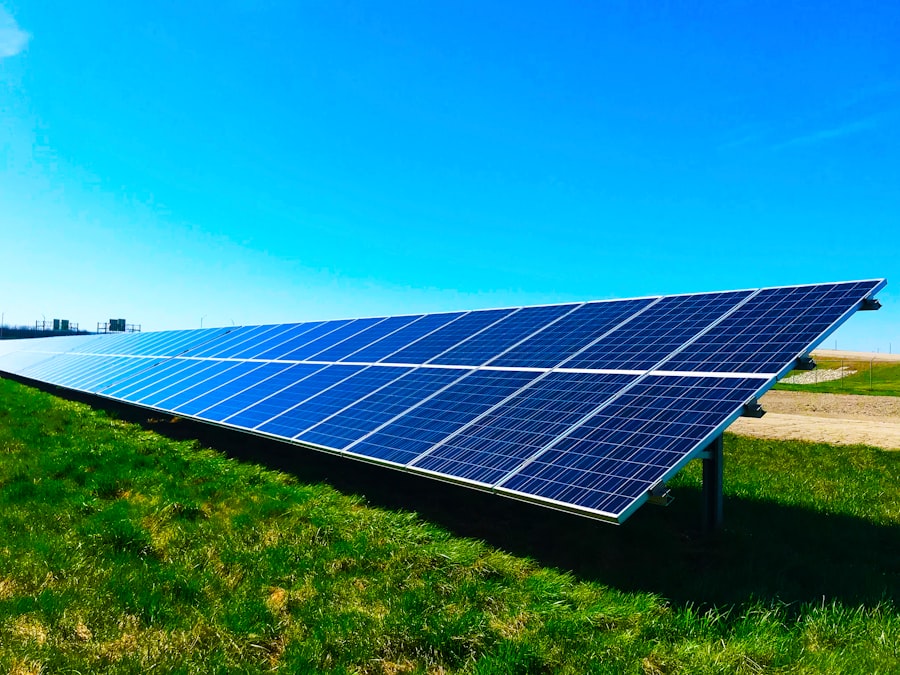
When considering smart roofing systems, it’s essential to understand the various types available on the market. One popular option is the solar roof system, which integrates photovoltaic panels directly into the roofing material. This type of system allows you to generate electricity from sunlight while maintaining the aesthetic appeal of your home.
If you’re looking to reduce your carbon footprint while enjoying the benefits of renewable energy, a solar roof could be an excellent choice for you. Another type of smart roofing system is the green roof, which incorporates vegetation into the roofing design. This not only provides insulation but also helps manage stormwater runoff and improves air quality.
If you’re passionate about sustainability and want to contribute positively to the environment, a green roof may align perfectly with your values. Additionally, there are smart roofs equipped with sensors that monitor temperature, humidity, and other environmental factors. These systems can provide real-time data to help you make informed decisions about energy usage and maintenance needs.
How Smart Roofing Systems Work
Understanding how smart roofing systems work can help you appreciate their value even more. At their core, these systems utilize advanced technology to monitor and respond to environmental conditions. For instance, many smart roofs are equipped with sensors that track temperature fluctuations and humidity levels.
This data is then processed by an integrated system that can adjust the roof’s properties accordingly. For example, if the temperature rises significantly, the roof may change its reflective properties to reduce heat absorption, keeping your home cooler. In addition to temperature regulation, some smart roofing systems can communicate with other smart devices in your home.
This interconnectedness allows for seamless integration with your home automation system. Imagine being able to control your roof’s features from your smartphone or having it automatically adjust based on your daily routines. This level of convenience not only enhances your comfort but also promotes energy efficiency by optimizing resource usage throughout your home.
Cost of Smart Roofing Systems
When considering a smart roofing system for your home, it’s crucial to evaluate the associated costs. While these advanced systems may have a higher upfront investment compared to traditional roofing options, it’s essential to view them as a long-term investment. The initial costs can vary significantly based on factors such as the type of system you choose, the size of your roof, and any additional features you may want to incorporate.
For instance, solar roofs tend to be more expensive due to the technology involved but can lead to substantial savings on energy bills over time. Moreover, many homeowners find that the long-term benefits outweigh the initial costs. With reduced energy consumption and lower maintenance requirements, smart roofing systems can pay for themselves over time through savings on utility bills and repair costs.
Additionally, some regions offer incentives or tax credits for installing energy-efficient systems like solar roofs, which can further offset your investment. As you weigh your options, consider not only the upfront costs but also the potential savings and benefits that a smart roofing system can provide in the years to come.
Maintenance of Smart Roofing Systems
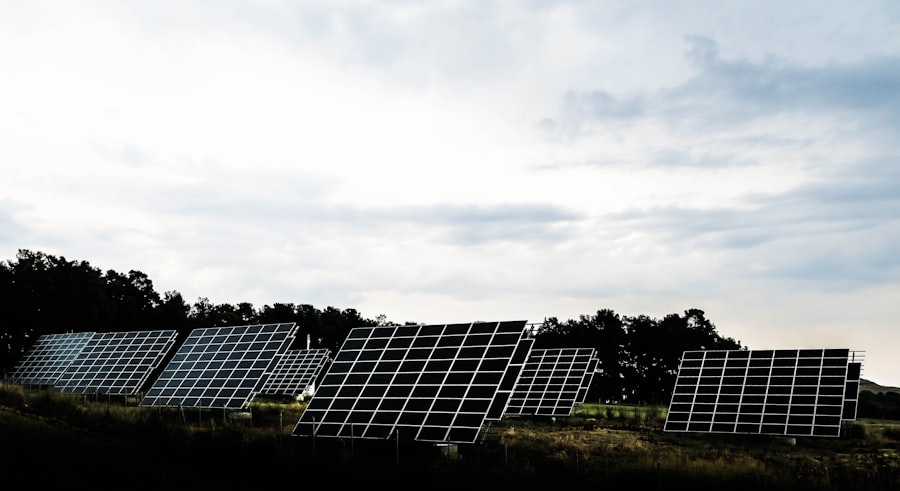
Maintaining a smart roofing system is generally less demanding than traditional roofs due to their advanced materials and technology. However, regular inspections and maintenance are still essential to ensure optimal performance and longevity. You should schedule periodic checks to assess the condition of both the roofing material and any integrated technology components.
This proactive approach can help identify potential issues before they escalate into costly repairs. In addition to routine inspections, keeping your roof clean is vital for its performance. Debris such as leaves, branches, or dirt can accumulate on the surface and hinder its ability to function effectively.
If you have a solar roof system, ensuring that the panels are free from obstructions is crucial for maximizing energy production. Depending on your comfort level, you may choose to perform these maintenance tasks yourself or hire a professional service that specializes in smart roofing systems.
Environmental Impact of Smart Roofing Systems
The environmental impact of smart roofing systems is one of their most appealing aspects. By incorporating sustainable materials and technologies, these roofs contribute positively to reducing your carbon footprint. For instance, solar roofs harness renewable energy from the sun, allowing you to generate electricity without relying on fossil fuels.
This shift towards renewable energy sources is essential in combating climate change and promoting a more sustainable future. Moreover, green roofs play a significant role in enhancing urban biodiversity and improving air quality. By introducing vegetation into urban environments, these roofs provide habitats for various species while also absorbing carbon dioxide and releasing oxygen.
Additionally, they help manage stormwater runoff by absorbing rainwater, reducing the burden on drainage systems during heavy rainfall events. As you consider a smart roofing system for your home, think about how it aligns with your commitment to environmental sustainability and how it can contribute positively to your community.
Choosing the Right Smart Roofing System for Your Home
Selecting the right smart roofing system for your home involves careful consideration of several factors. First and foremost, assess your specific needs and preferences. Are you primarily interested in energy efficiency?
Or perhaps you want a roof that enhances your home’s aesthetic appeal? Understanding your priorities will help narrow down your options. Next, consider consulting with professionals who specialize in smart roofing systems.
They can provide valuable insights into the various types available and help you determine which system best suits your home’s architecture and location. Additionally, researching local regulations or incentives related to smart roofing installations can provide further guidance in making an informed decision. Ultimately, investing in a smart roofing system is not just about enhancing your home; it’s about embracing a lifestyle that prioritizes sustainability, efficiency, and innovation.
As you embark on this journey, remember that each choice you make contributes not only to your comfort but also to a healthier planet for future generations.
Smart Roofing Systems can greatly benefit from implementing safety training and certifications for their employees. This can ensure that workers are equipped with the necessary knowledge and skills to perform their jobs safely and efficiently. For more information on safety training and certifications for roofing contractors, check out this article on safety training and certifications.
FAQs
What are smart roofing systems?
Smart roofing systems are advanced roofing technologies that incorporate sensors, automation, and other smart features to enhance the performance, efficiency, and sustainability of the roof.
What are the benefits of smart roofing systems?
Some benefits of smart roofing systems include improved energy efficiency, reduced maintenance costs, enhanced durability, better protection against weather elements, and the ability to integrate with other smart home technologies.
What are some examples of smart roofing system features?
Examples of smart roofing system features include solar panels for energy generation, moisture sensors to detect leaks, automated ventilation systems, and remote monitoring and control capabilities.
How do smart roofing systems contribute to sustainability?
Smart roofing systems contribute to sustainability by reducing energy consumption through features like solar panels and improved insulation, as well as by minimizing the need for frequent repairs and replacements, which reduces waste.
Are smart roofing systems cost-effective?
While the initial cost of installing a smart roofing system may be higher than traditional roofing, the long-term cost savings from improved energy efficiency, reduced maintenance, and longer lifespan can make them cost-effective in the long run.