
When you’re a homeowner in Vistancia, Peoria, Arizona, you’re accustomed to a certain level of comfort and predictability. Your home is your sanctuary, and you’ve invested in a place that reflects your lifestyle and provides security. Vistancia is known for its well-maintained neighborhoods and beautiful desert landscapes, and you’ve done your part to maintain your property. However, the Arizona monsoon season, while a welcome respite from the intense heat, can bring with it a significant threat to your most vulnerable asset: your roof. Understanding storm damage and its potential impact on your Vistancia home is crucial, and this guide will help you navigate the aftermath of a severe weather event.
The Arizona monsoon season typically runs from June 15th to September 30th, and while it’s characterized by its intense heat and humidity, it’s the accompanying thunderstorms that pose the greatest risk to your roofing system. These aren’t your gentle spring showers; these are often violent outbursts characterized by high winds, heavy rainfall, and sometimes even hail.
Wind’s Destructive Force
Wind plays a significant role in damaging your roof. During a monsoon, gusts can reach speeds that can lift and tear away shingles, break tiles, and even dislodge entire sections of your roofing material.
Shingle Uplift and Granule Loss
The relentless force of wind can get underneath the edges of your shingles. This creates an uplift pressure that, over time, can cause them to curl, crack, or even be pulled off entirely. You might notice a significant loss of granules from your asphalt shingles after a strong wind event. These granules are vital for protecting the asphalt layer from UV rays and preventing premature aging. Their absence leaves your shingles vulnerable.
Tile Displacement and Cracking
If you have a tile roof, which is common in many Vistancia homes, high winds can cause tiles to shift out of place. This not only creates an immediate leak pathway but can also lead to tiles cracking or breaking due to impact from debris or being rubbed against each other. The weight of dislodged tiles can also be a concern for the underlying structure.
Debris Impact
Wind doesn’t just exert direct force; it also picks up and hurls debris. Branches, dirt, and other loose items can become projectiles that strike your roof, causing punctures, cracks, and significant damage to various roofing materials.
The Perils of Heavy Rainfall
While you likely appreciate the rain for its cooling effect, excessive amounts can overwhelm your roof’s drainage system and lead to water intrusion.
Clogged Gutters and Downspouts
Vistancia’s desert environment can lead to a buildup of debris, especially after windy days. Leaves, dirt, and small branches can accumulate in your gutters and downspouts, effectively blocking them. When heavy rain falls, this blockage prevents water from flowing away from your home, causing it to pool on your roof’s edges and potentially seep under shingles or tiles.
Overwhelmed Roof Drainage
Even without clogs, an exceptionally heavy downpour can exceed the capacity of your gutters and downspouts. This can lead to water backing up and finding its way into vulnerable areas of your roof, such as around vents, chimneys, and skylights.
Water Intrusion and Interior Damage
The ultimate consequence of poor drainage and breaches in your roofing system is water intrusion. This can manifest as leaks in your attic, damp spots on your ceilings, and even visible water stains. Once water enters your home, it can damage drywall, insulation, and wooden structural elements, creating a breeding ground for mold and mildew.
Hail: The Silent Smasher
Although less frequent than wind and rain in Vistancia, hailstorms can be incredibly destructive. The size and velocity of hailstones can inflict significant damage.
Granule Loss and Bruised Shingles
Even small hailstones can cause a loss of granules on asphalt shingles, similar to wind damage. Larger hailstones can create dents or “bruises” on the shingles, compromising their protective layer and making them more susceptible to future damage.
Cracks and Punctures in Tiles and Shingles
Impact from larger hail can cause direct cracks or even punctures in both asphalt shingles and clay or concrete tiles. These create immediate entry points for water. Finding these dents and cracks after a hailstorm is often difficult without a close inspection.
If you’re looking for insights on storm damage roofing services in Vistancia, Peoria, AZ, you may find it helpful to explore a related article on roofing contractors in San Jose, California. This article provides valuable information on selecting reliable roofing professionals and understanding the repair process after storm damage. You can read more about it here: Roofing Contractors in San Jose, California.
Recognizing the Signs: Post-Storm Roof Inspection
After a significant storm, it’s your responsibility as a homeowner to assess your roof for any potential damage. This proactive approach can save you considerable expense and hassle down the line. Prompt identification and repair often prevent minor issues from escalating into major problems.
Visual Exterior Inspection
The first line of defense is a thorough visual inspection of your roof from the ground. Look for obvious signs of distress.
Shingle Condition from Afar
Can you see any shingles that are missing, curled, or appear to be lifting? Are there any areas where the shingles seem to be in disarray? Even from the ground, some damage can be quite apparent, especially if large portions of your roofing material are gone.
Debris Accumulation
Is there a significant amount of debris on your roof, such as branches, leaves, or even loose roofing material? This can indicate stress on the roof and potentially clogged drainage areas.
Visible Damage to Vents and Flashings
Take a visual scan of areas around vents, chimneys, and skylights. Are there any noticeable cracks or detachments in the flashing that seals these areas? These are common weak points where water can enter.
Interior Clues: What to Look For Inside Your Home
Damage to your roof doesn’t always remain solely on the exterior. Pay close attention to the interior of your home for telltale signs of leaks.
Attic Inspection for Water Stains and Dampness
If you have an accessible attic, this is a prime location to spot roof leaks. Look for water stains on the underside of the roof decking, damp insulation, or even standing water. The smell of mildew or mold can also be a strong indicator of a persistent moisture problem.
Ceiling Stains and Discoloration
Water that travels down from the attic can manifest as discolored or water-stained patches on your ceiling. These are clear indicators of a leak originating from above. The longer these stains remain unaddressed, the more the underlying drywall can be compromised.
Peeling Paint or Wallpaper
In areas where water has seeped through the ceiling or walls, you might notice peeling paint or wallpaper. This is another sign that moisture has compromised the structural integrity of the interior surfaces.
When to Call a Professional
Some roof damage is subtle and requires the expertise of a qualified professional. Don’t hesitate to call for help if you notice any of the following.
Suspected Hidden Damage
If you suspect there’s damage but can’t see it, or if the damage is in a hard-to-reach area, it’s best to let a professional assess the situation. They have the tools and experience to identify issues you might miss.
Significant Granule Loss
Even if no shingles are missing, a noticeable and widespread loss of granules is a sign of compromised shingles that may require replacement.
Any Signs of Water Intrusion
If you see even the slightest hint of water intrusion inside your home, regardless of the apparent cause, it’s imperative to have it professionally inspected. Prompt action can prevent extensive interior damage.
Navigating the Repair Process: Your Vistancia Roofer
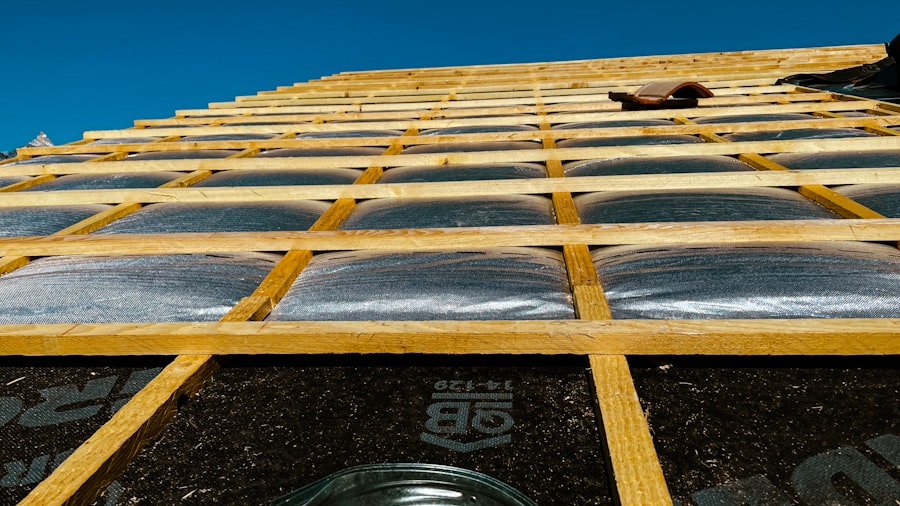
Once you’ve identified potential storm damage, the next critical step is to find a reliable roofing contractor in the Vistancia and Peoria area. Not all roofing companies are created equal, and choosing the right one is paramount for effective and lasting repairs.
Finding a Reputable Vistancia Roofer
Your choice of contractor will directly impact the quality of the repairs and the longevity of your roof. Look for established businesses with a proven track record.
Local Experience Matters
A roofer who is familiar with the specific challenges of Vistancia’s climate and common roofing materials used in the area will be better equipped to handle your repairs. They’ll understand the nuances of monsoon storms and how they typically affect roofs in your community.
Licensing and Insurance
Ensure any contractor you consider is fully licensed and insured. This protects you from liability in case of accidents on your property and guarantees they meet professional standards. Ask for proof of both before signing any contract.
Reviews and Testimonials
Look for online reviews on platforms like Google, Yelp, or the Better Business Bureau. Pay attention to what other homeowners in your area have to say about their experiences with the roofer. Positive testimonials and a good overall rating are strong indicators of reliability.
The Assessment and Estimation Process
A professional roofer will conduct a thorough assessment and provide a detailed estimate for the necessary repairs.
Comprehensive Roof Inspection
A qualified contractor will perform a detailed inspection of your entire roof, both from the exterior and, if necessary, the interior of your attic. They’ll document any damage they find and identify the underlying causes.
Detailed Scope of Work
Your estimate should clearly outline the specific repairs to be performed, the materials to be used, and the projected timeline for completion. Never agree to a bid that lacks this level of detail.
Understanding Your Warranty
Inquire about the warranty offered on both materials and workmanship. A reputable company will stand behind its repairs with a solid warranty. Understand what it covers and for how long.
Communicating with Your Insurance Company
Storm damage to your roof is often covered by your homeowner’s insurance policy. The repair process will likely involve coordinating with your insurance provider.
Filing Your Claim
Your roofer can often assist you in the claims process by providing documentation and photos of the damage. Familiarize yourself with your policy and deductible.
The Adjuster’s Inspection
Your insurance company will send an adjuster to assess the damage. It’s beneficial to have your roofer present during this inspection to ensure all damage is accounted for.
Understanding Your Coverage
Review your insurance policy to understand what types of storm damage are covered and what your deductible is.
Preventing Future Damage: Proactive Maintenance
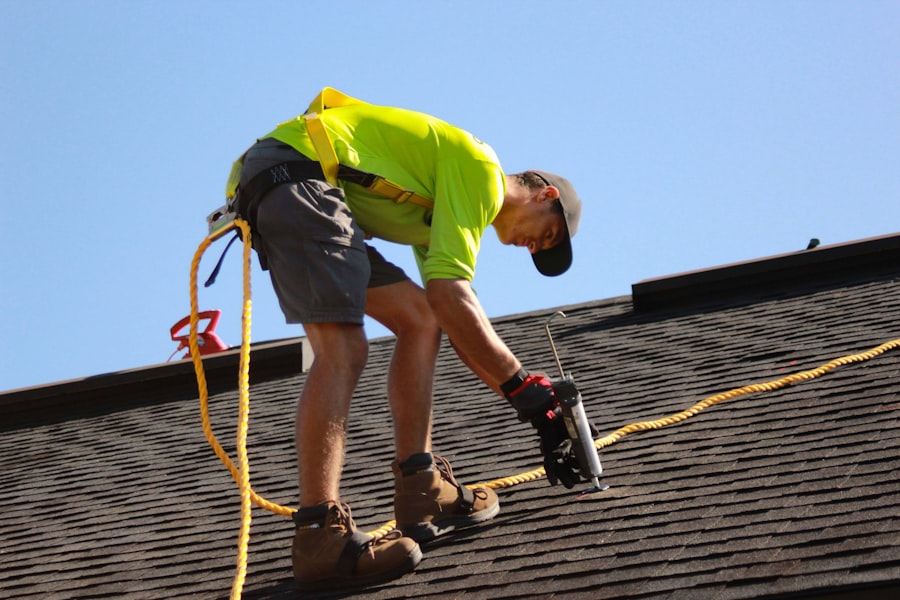
While you can’t control the weather, you can take steps to minimize the impact of future storms on your Vistancia roof. Regular maintenance is key to extending the lifespan of your roofing system and reducing the likelihood of costly repairs.
Routine Roof Cleaning
Keeping your roof clean can prevent a multitude of problems.
Gutter and Downspout Clearing
As mentioned earlier, clogged gutters are a major culprit for water damage. Regularly clear your gutters of leaves, dirt, and debris, especially after windy days and before the monsoon season begins.
Debris Removal from the Roof Surface
Periodically inspect your roof for any accumulated debris, such as fallen branches or leaves. Remove these to prevent them from causing damage or holding moisture against your roofing materials.
Regular Inspections
Beyond post-storm assessments, schedule regular maintenance inspections.
Seasonal Check-ups
Consider scheduling roof inspections at the beginning and end of the monsoon season. This allows you to address any minor issues before they become major problems exacerbated by heavy weather.
Professional Inspections
In addition to your own visual checks, have a professional roofer inspect your roof annually. They can identify potential problems that you might overlook.
Addressing Minor Issues Promptly
Don’t let small problems fester. Addressing minor roof concerns early can prevent them from evolving into expensive repairs.
Replacing Damaged Shingles or Tiles
If you notice a few loose or damaged shingles or tiles, get them replaced as soon as possible. This prevents water from getting underneath and causing further damage.
Sealing Flashing and Joints
Inspect the flashing around vents, chimneys, and skylights, as well as any joints in your roofing system. If you notice any signs of cracking or deterioration, have them sealed by a professional to prevent leaks.
If you’re dealing with storm damage roofing in Vistancia, Peoria, AZ, it’s essential to understand the various options available for repairs and replacements. A related article discusses the importance of choosing the right roofing contractors, which can significantly impact the outcome of your project. You can read more about this topic in the article on roofing contractors to gain insights that may help you make informed decisions for your home.
The Long-Term Investment: Protecting Your Vistancia Home
| Roofing Company | Location | Number of Storm Damage Cases | Roof Repair Cost |
|---|---|---|---|
| ABC Roofing | Vistancia, Peoria, AZ | 25 | 15,000 |
| XYZ Roofing | Vistancia, Peoria, AZ | 30 | 20,000 |
Investing in your roof is not just about immediate repairs; it’s about protecting the overall value and integrity of your Vistancia home. A well-maintained and storm-resilient roof ensures your comfort, security, and the continued appreciation of your property.
Preserving Your Home’s Value
Your roof is a significant component of your home’s structure and curb appeal. Damage from storms can detract from its aesthetic appeal and lead to a decrease in its market value. Regular maintenance and prompt repairs help preserve its condition and, consequently, its value.
Ensuring Your Family’s Safety and Comfort
A compromised roof poses a direct threat to your family’s safety and comfort. Leaks can lead to structural damage, mold growth, and unhealthy living conditions. A secure and watertight roof provides peace of mind, knowing your home can withstand the elements.
The Cost of Neglect vs. Investment
The cost of regular maintenance and prompt repairs is often significantly lower than the cost of extensive repairs or complete roof replacement after severe storm damage. Proactive care is an investment, while neglect can be a costly mistake. Building a relationship with a trusted Vistancia roofer is a worthwhile endeavor for any homeowner in this beautiful community.
FAQs
1. What are common types of storm damage to roofing in Vistancia, Peoria, AZ?
Common types of storm damage to roofing in Vistancia, Peoria, AZ include missing or damaged shingles, leaks, dents or punctures from hail, and damage from fallen trees or debris.
2. How can I identify storm damage to my roof in Vistancia, Peoria, AZ?
You can identify storm damage to your roof in Vistancia, Peoria, AZ by looking for signs such as missing or damaged shingles, leaks in the attic or ceiling, dents or cracks in the roof, and debris or fallen trees on the roof.
3. What should I do if my roof in Vistancia, Peoria, AZ is damaged by a storm?
If your roof in Vistancia, Peoria, AZ is damaged by a storm, you should immediately contact a professional roofing contractor to assess the damage and make necessary repairs. It’s important to address storm damage promptly to prevent further issues such as leaks and structural damage.
4. How can I prevent storm damage to my roof in Vistancia, Peoria, AZ?
To prevent storm damage to your roof in Vistancia, Peoria, AZ, you can take proactive measures such as regular roof inspections, maintenance, and repairs, trimming overhanging tree branches, and ensuring proper drainage to prevent water buildup.
5. What should I look for in a roofing contractor for storm damage repairs in Vistancia, Peoria, AZ?
When hiring a roofing contractor for storm damage repairs in Vistancia, Peoria, AZ, look for a licensed and insured professional with experience in handling storm damage. It’s also important to get multiple quotes, check references, and ensure the contractor offers a warranty on their work.