
In recent years, the concept of eco-friendly home improvement has gained significant traction as homeowners become increasingly aware of their environmental impact. The push towards sustainability is not merely a trend; it reflects a growing consciousness about climate change, resource depletion, and the need for a healthier living environment. Eco-friendly home improvement encompasses a wide range of practices and materials that aim to reduce energy consumption, minimize waste, and promote the use of renewable resources.
By adopting these practices, homeowners can not only enhance the comfort and aesthetic appeal of their living spaces but also contribute positively to the planet. The journey towards an eco-friendly home begins with understanding the various options available for sustainable living. From energy-efficient lighting to renewable energy sources, each aspect of home improvement can be tailored to align with environmental goals.
This article delves into several key areas of eco-friendly home improvement, providing insights into how homeowners can make informed choices that benefit both their households and the environment. By integrating these sustainable practices, individuals can create a home that is not only beautiful and functional but also responsible and forward-thinking.
Key Takeaways
- Eco-friendly home improvement focuses on reducing environmental impact and promoting sustainability.
- Energy-efficient lighting options can significantly reduce energy consumption and lower utility bills.
- Sustainable flooring materials, such as bamboo and cork, are durable and renewable.
- Low-flow plumbing fixtures help conserve water and reduce water usage in the home.
- Eco-friendly paints and finishes contain fewer harmful chemicals and emit fewer volatile organic compounds (VOCs).
Energy-Efficient Lighting Options
One of the most straightforward ways to enhance a home’s eco-friendliness is by upgrading to energy-efficient lighting options. Traditional incandescent bulbs consume a significant amount of electricity and have a relatively short lifespan, leading to increased energy bills and frequent replacements. In contrast, LED (light-emitting diode) bulbs offer a remarkable alternative.
They use up to 80% less energy than incandescent bulbs and can last up to 25 times longer. This longevity not only reduces waste but also translates into substantial savings over time. Furthermore, LEDs are available in various color temperatures and styles, allowing homeowners to customize their lighting to suit their preferences while maintaining energy efficiency.
Another innovative option in energy-efficient lighting is the use of smart lighting systems. These systems allow homeowners to control their lighting remotely through smartphones or voice-activated devices. Smart bulbs can be programmed to turn off when not in use or dimmed according to the time of day, further reducing energy consumption.
Additionally, incorporating natural light into home design through strategically placed windows or skylights can significantly decrease reliance on artificial lighting during daylight hours. By embracing these energy-efficient lighting solutions, homeowners can create a more sustainable living environment while enjoying the benefits of modern technology.
Sustainable Flooring Materials
When it comes to flooring, the choices made can have a profound impact on both the environment and indoor air quality. Traditional flooring materials such as vinyl and laminate often contain harmful chemicals and are not biodegradable, contributing to landfill waste. In contrast, sustainable flooring options prioritize renewable resources and low environmental impact.
Bamboo flooring is an excellent example; it is harvested from fast-growing bamboo plants that regenerate quickly, making it a highly renewable resource. Bamboo is also durable and resistant to moisture, making it suitable for various areas within the home. Another sustainable flooring option is reclaimed wood.
This material is sourced from old buildings, barns, or other structures that are being demolished or renovated. By repurposing this wood, homeowners can reduce the demand for new lumber while adding character and history to their spaces. Reclaimed wood flooring often features unique grains and colors that cannot be replicated in new materials, providing an aesthetic appeal that is both rustic and sophisticated.
Additionally, cork flooring is gaining popularity due to its eco-friendliness; harvested from the bark of cork oak trees without harming the tree itself, cork is naturally resistant to mold and mildew and provides excellent insulation properties.
Low-Flow Plumbing Fixtures
Water conservation is a critical aspect of eco-friendly home improvement, and one of the most effective ways to achieve this is through the installation of low-flow plumbing fixtures. Traditional faucets and showerheads can use an excessive amount of water, leading to higher utility bills and unnecessary waste. Low-flow fixtures are designed to reduce water consumption without sacrificing performance.
For instance, low-flow showerheads can limit water flow to as little as 1.5 gallons per minute compared to the standard 2.5 gallons per minute, resulting in significant water savings over time. In addition to showerheads, low-flow toilets are another essential component of water-efficient plumbing. Older toilets can use up to 7 gallons per flush, whereas modern low-flow models typically use only 1.28 gallons or less.
Dual-flush toilets offer even greater efficiency by providing two flushing options: one for liquid waste and another for solid waste. This feature allows homeowners to choose the appropriate amount of water needed for each type of flush, further conserving water resources. By investing in low-flow plumbing fixtures, homeowners can make a substantial impact on their water usage while also reducing their environmental footprint.
Eco-Friendly Paints and Finishes
The choice of paints and finishes used in home improvement projects can significantly affect indoor air quality and environmental health. Conventional paints often contain volatile organic compounds (VOCs), which can release harmful fumes into the air long after application. These compounds contribute to air pollution and can pose health risks to occupants.
Eco-friendly paints are formulated with low or zero VOCs, making them a safer choice for both the environment and human health. Brands such as Benjamin Moore’s Natura line or Sherwin-Williams’ Harmony line offer high-quality options that meet stringent environmental standards without compromising on performance or color vibrancy. In addition to low-VOC paints, homeowners can explore natural finishes made from plant-based ingredients or minerals.
These products not only minimize harmful emissions but also provide unique aesthetic qualities that synthetic paints cannot replicate. For example, milk paint is a biodegradable option made from milk protein, lime, and natural pigments that create a soft, matte finish ideal for rustic or vintage-style interiors. Similarly, clay-based paints offer excellent breathability and are perfect for creating textured walls with a natural look.
By selecting eco-friendly paints and finishes, homeowners can enhance their living spaces while promoting healthier indoor environments.
Energy-Efficient Appliances
ENERGY STAR Certification: A Reliable Indicator of Energy Efficiency
The ENERGY STAR certification is a reliable indicator that an appliance meets strict energy efficiency guidelines set by the U.S. Environmental Protection Agency (EPA). For instance, ENERGY STAR-rated refrigerators consume up to 15% less energy than standard models while providing advanced features such as temperature control and humidity management.
Advancements in Energy Efficiency: Dishwashers and Ovens
In addition to refrigerators, other kitchen appliances such as dishwashers and ovens have also seen significant advancements in energy efficiency. Modern dishwashers equipped with smart sensors can adjust water usage based on load size and soil level, ensuring that only the necessary amount of water is used for each cycle.
Induction Cooktops: Rapid Heating and Precise Temperature Control
Similarly, induction cooktops are becoming increasingly popular due to their rapid heating capabilities and precise temperature control, which not only enhances cooking efficiency but also reduces energy waste compared to traditional gas or electric stoves. By investing in energy-efficient appliances throughout the home, homeowners can enjoy lower utility bills while contributing to a more sustainable future.
Solar Panels and Renewable Energy Options
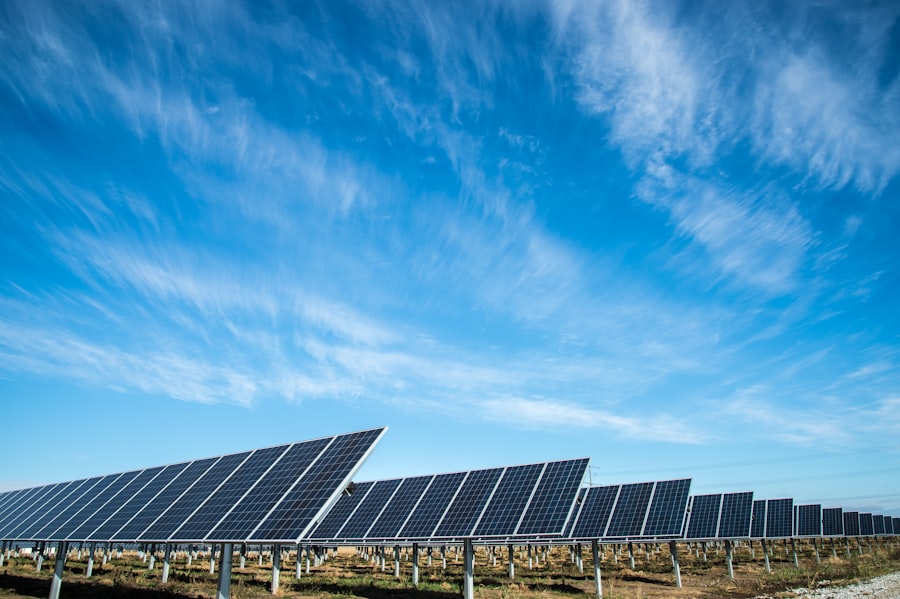
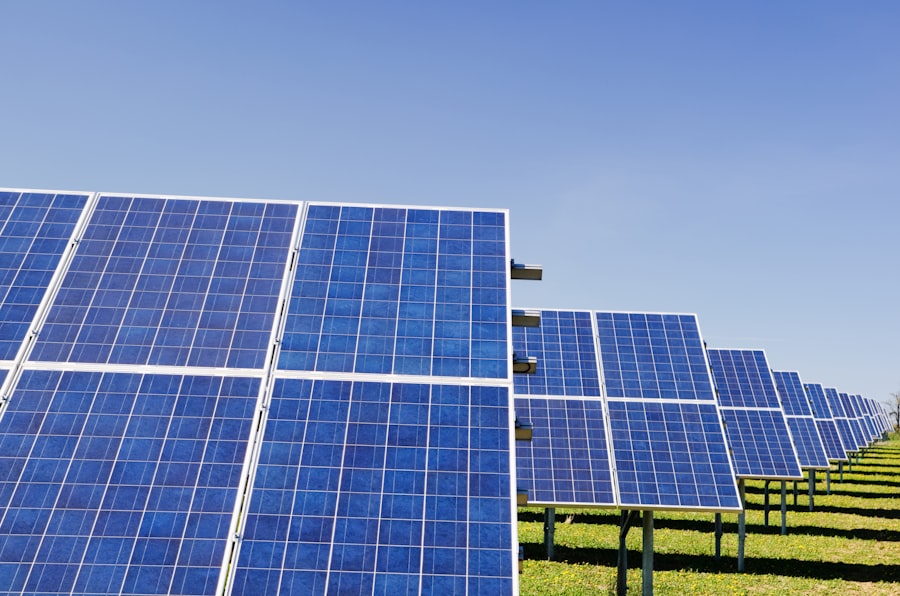
Harnessing renewable energy sources is one of the most impactful ways homeowners can reduce their carbon footprint and promote sustainability. Solar panels have emerged as a leading option for generating clean energy at home. By converting sunlight into electricity through photovoltaic cells, solar panels provide an opportunity for homeowners to generate their own power while decreasing reliance on fossil fuels.
The initial investment in solar panel installation may seem daunting; however, various incentives such as tax credits and rebates can significantly offset costs. Moreover, advancements in solar technology have made it more accessible than ever before. Homeowners can choose from different types of solar systems based on their energy needs and budget constraints—ranging from grid-tied systems that connect directly to the utility grid to off-grid systems that provide complete independence from traditional power sources.
Additionally, battery storage solutions allow homeowners to store excess energy generated during sunny days for use during nighttime or cloudy periods, further enhancing energy independence and reliability.
Green Roofing and Insulation Materials
The roof plays a crucial role in a home’s overall energy efficiency and environmental impact. Green roofing systems—also known as living roofs—are an innovative solution that involves growing vegetation on rooftops. These systems provide numerous benefits including improved insulation, reduced heat absorption, and enhanced biodiversity in urban areas.
By absorbing rainwater and providing natural insulation, green roofs help regulate indoor temperatures while reducing the need for heating and cooling systems. In addition to green roofs, selecting sustainable insulation materials is essential for maintaining energy efficiency within the home. Traditional insulation materials such as fiberglass may contain harmful chemicals and contribute to indoor air pollution.
Eco-friendly alternatives include cellulose insulation made from recycled paper products or sheep’s wool insulation that offers excellent thermal performance without compromising indoor air quality. These materials not only provide effective insulation but also contribute to a healthier living environment by minimizing exposure to toxic substances. By integrating these eco-friendly home improvement practices into their living spaces, homeowners can create environments that are not only aesthetically pleasing but also sustainable and responsible towards future generations.
Each choice made—from lighting options to roofing materials—contributes to a larger movement towards environmental stewardship and conscious living.
If you are considering eco-friendly options for home improvement projects, you may want to look into sustainable roofing materials. Roofing Contractors HQ offers a variety of roofing contractors in different locations, such as San Antonio, Texas, Anaheim, California, and San Jose, California. These contractors can help you choose environmentally friendly roofing options that not only improve the energy efficiency of your home but also reduce your carbon footprint.
FAQs
What are some eco-friendly options for flooring in home improvement projects?
Some eco-friendly options for flooring include bamboo, cork, reclaimed wood, and linoleum. These materials are sustainable and renewable, making them a more environmentally friendly choice for home improvement projects.
What are some eco-friendly options for insulation in home improvement projects?
Eco-friendly options for insulation include materials such as recycled denim, cellulose, and wool. These materials are non-toxic, energy-efficient, and made from renewable resources, making them a more sustainable choice for home improvement projects.
What are some eco-friendly options for paint in home improvement projects?
Eco-friendly paint options include low-VOC or zero-VOC paints, which emit fewer harmful chemicals into the air. These paints are better for indoor air quality and are made from more sustainable and non-toxic ingredients.
What are some eco-friendly options for energy-efficient appliances in home improvement projects?
Energy-efficient appliances, such as Energy Star-rated refrigerators, dishwashers, and washing machines, are eco-friendly options for home improvement projects. These appliances use less energy and water, reducing their environmental impact.
What are some eco-friendly options for water-saving fixtures in home improvement projects?
Water-saving fixtures, such as low-flow toilets, faucets, and showerheads, are eco-friendly options for home improvement projects. These fixtures help conserve water and reduce water usage, making them more environmentally friendly.