
Energy efficiency ratings serve as a critical benchmark for consumers and businesses alike, providing a standardized way to assess the energy consumption of various appliances, systems, and buildings. These ratings are often expressed in terms of numerical values or letters, with lower numbers or higher letters indicating better efficiency. For instance, the Energy Star label is a well-known certification that signifies products meeting strict energy efficiency guidelines set by the U.S.
Environmental Protection Agency. Appliances bearing this label typically consume less energy than their non-certified counterparts, leading to reduced utility bills and a smaller carbon footprint. Understanding these ratings is essential for making informed purchasing decisions.
For example, when selecting a refrigerator, consumers might encounter models with different energy efficiency ratings. A model rated A+++ will consume significantly less energy than one rated C, translating into substantial savings over time. Moreover, energy efficiency ratings can also influence government incentives and rebates, making it financially advantageous to choose higher-rated products.
By familiarizing themselves with these ratings, consumers can not only save money but also contribute to broader environmental goals by reducing overall energy consumption.
Key Takeaways
- Energy efficiency ratings help consumers understand the energy consumption and performance of appliances and equipment.
- Proper insulation can significantly reduce energy loss and improve the comfort of a building.
- Regular evaluation and maintenance of heating and cooling systems can improve efficiency and reduce energy costs.
- Energy-efficient lighting options, such as LED bulbs, can lower energy consumption and reduce electricity bills.
- Calculating the return on investment for energy-efficient upgrades can help prioritize and plan for cost-effective improvements.
Assessing the Impact of Insulation
Insulation plays a pivotal role in maintaining a building’s thermal integrity, directly influencing energy efficiency and comfort levels. Proper insulation minimizes heat transfer between the interior and exterior of a structure, ensuring that heating and cooling systems do not have to work overtime to maintain desired temperatures. For instance, homes with inadequate insulation may experience significant heat loss during winter months, leading to increased energy consumption as heating systems strive to compensate for the lost warmth.
Conversely, well-insulated homes can maintain stable indoor temperatures, resulting in lower energy bills and enhanced comfort. The effectiveness of insulation is often measured by its R-value, which indicates its resistance to heat flow. Higher R-values signify better insulating properties.
For example, fiberglass batts with an R-value of 30 are commonly used in attics, while walls may require insulation with an R-value of 13 to 21, depending on the climate zone. Additionally, the type of insulation material—such as spray foam, cellulose, or rigid foam—can also impact performance. Homeowners should consider conducting an insulation audit to identify areas where insulation may be lacking or deteriorating.
By investing in quality insulation, they can significantly enhance their home’s energy efficiency and comfort levels.
Evaluating the Efficiency of Heating and Cooling Systems
Heating and cooling systems are among the largest consumers of energy in residential and commercial buildings. Therefore, evaluating their efficiency is crucial for optimizing energy use and reducing costs. The Seasonal Energy Efficiency Ratio (SEER) is a key metric used to assess the efficiency of air conditioning systems, while the Annual Fuel Utilization Efficiency (AFUE) rating serves a similar purpose for furnaces.
A higher SEER or AFUE rating indicates a more efficient system that uses less energy to achieve the same level of comfort. When considering upgrades or replacements for heating and cooling systems, it is essential to look beyond just the efficiency ratings. Factors such as system size, installation quality, and maintenance practices also play significant roles in overall performance.
An oversized air conditioning unit may cool a space too quickly without adequately dehumidifying it, leading to discomfort and increased energy use. Regular maintenance, including filter changes and system inspections, can further enhance efficiency by ensuring that systems operate at peak performance. By carefully evaluating these factors, homeowners can make informed decisions that lead to long-term energy savings.
Considering Energy-Efficient Lighting Options
Lighting is another area where energy efficiency can have a substantial impact on overall energy consumption. Traditional incandescent bulbs are notorious for their high energy usage and short lifespan compared to modern alternatives like compact fluorescent lamps (CFLs) and light-emitting diodes (LEDs). For instance, an LED bulb can use up to 75% less energy than an incandescent bulb while lasting up to 25 times longer.
This dramatic reduction in energy consumption not only lowers electricity bills but also reduces the frequency of bulb replacements. In addition to choosing energy-efficient bulbs, the design and placement of lighting fixtures can further enhance energy savings. Utilizing natural light through strategic window placement or skylights can reduce reliance on artificial lighting during daylight hours.
Moreover, incorporating dimmers and motion sensors allows for greater control over lighting usage, ensuring that lights are only on when needed. By embracing these energy-efficient lighting options and practices, individuals can significantly reduce their environmental impact while enjoying improved illumination in their spaces.
Calculating the Return on Investment for Energy-Efficient Upgrades
When considering energy-efficient upgrades, calculating the return on investment (ROI) is essential for understanding the financial implications of such decisions. The ROI for energy-efficient improvements can be determined by comparing the initial costs of upgrades against the anticipated savings on utility bills over time. For example, if a homeowner invests $2,000 in new windows with an expected annual savings of $300 on heating and cooling costs, the payback period would be approximately 6.67 years.
This calculation helps homeowners gauge whether an investment is worthwhile based on their financial situation and long-term plans. Additionally, it is important to consider potential increases in property value associated with energy-efficient upgrades. Homes equipped with modern insulation, efficient heating and cooling systems, or renewable energy sources may attract buyers willing to pay a premium for lower operating costs and enhanced comfort.
Furthermore, many regions offer tax incentives or rebates for energy-efficient improvements, which can further enhance ROI calculations. By thoroughly analyzing both direct savings and potential increases in property value, homeowners can make informed decisions about which upgrades will yield the best financial returns.
Exploring Renewable Energy Options

Solar Power: A Clean and Efficient Option
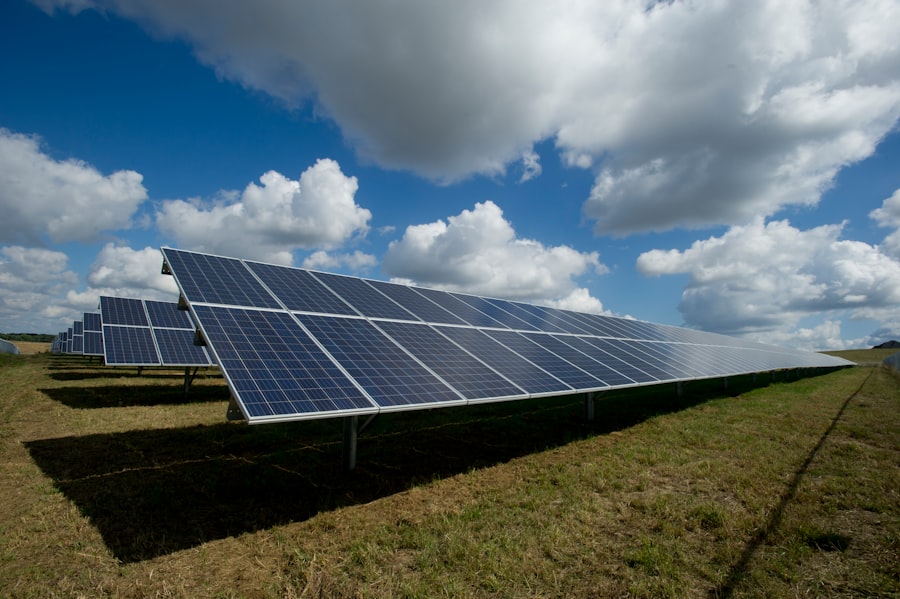
Solar power is one of the most widely recognized forms of renewable energy available for residential use. Photovoltaic (PV) panels convert sunlight into electricity, providing homeowners with a clean source of power that can significantly reduce or even eliminate electricity bills over time.
Wind Energy: Harnessing the Power of the Wind
Wind energy is another renewable option that has seen increased adoption in certain regions. Small wind turbines can be installed on residential properties to harness wind power for electricity generation. While not suitable for all locations due to zoning regulations or insufficient wind resources, wind turbines can provide substantial savings for those in favorable conditions.
Geothermal Heating Systems: Efficient and Sustainable
Additionally, geothermal heating systems utilize the earth’s stable underground temperature to provide efficient heating and cooling solutions for homes. By exploring these renewable energy options, homeowners can not only reduce their carbon footprint but also achieve long-term financial savings through decreased utility costs.
Utilizing Energy Monitoring Tools
Energy monitoring tools have emerged as invaluable resources for individuals seeking to optimize their energy consumption patterns. These tools range from simple plug-in devices that measure the electricity usage of specific appliances to comprehensive home energy management systems that provide real-time data on overall household consumption. By utilizing these tools, homeowners can gain insights into their energy usage habits and identify areas where improvements can be made.
For example, smart plugs allow users to monitor the energy consumption of individual devices and even schedule them to turn off when not in use. This capability can lead to significant savings by reducing phantom loads—energy consumed by devices when they are plugged in but not actively being used. Additionally, whole-home energy monitors provide detailed analytics on usage patterns over time, enabling homeowners to pinpoint peak consumption periods and adjust behaviors accordingly.
By leveraging these monitoring tools, individuals can take proactive steps toward reducing their energy consumption and enhancing overall efficiency.
Seeking Professional Energy Audits
Engaging in a professional energy audit is one of the most effective ways to identify opportunities for improving a building’s energy efficiency. Trained auditors utilize specialized equipment and techniques to assess various aspects of a property’s energy performance, including insulation levels, air leakage rates, heating and cooling system efficiency, and lighting usage. The audit process typically involves a thorough examination of both the interior and exterior of a building, allowing auditors to pinpoint specific areas where improvements can be made.
The findings from an energy audit provide homeowners with actionable recommendations tailored to their unique circumstances. For instance, an auditor may suggest sealing air leaks around windows and doors or upgrading insulation in key areas to enhance thermal performance. Additionally, they may recommend specific upgrades for heating and cooling systems based on their current efficiency levels.
By investing in a professional energy audit, homeowners gain access to expert insights that can lead to significant long-term savings while improving comfort levels within their homes.
If you are considering making energy-efficient home improvements, it is important to assess the energy efficiency of your choices. One way to do this is by hiring reputable roofing contractors who specialize in energy-efficient roofing materials. For example, roofing contractors in Sacramento, California offer a variety of energy-efficient roofing options that can help reduce your home’s energy consumption. By investing in these types of improvements, you can not only save money on your energy bills but also reduce your carbon footprint.
FAQs
What is energy efficiency?
Energy efficiency refers to using less energy to provide the same service. In the context of home improvement, it means making choices that reduce the amount of energy required to maintain a comfortable and functional home.
Why is it important to assess the energy efficiency of home improvement choices?
Assessing the energy efficiency of home improvement choices is important because it can help homeowners reduce energy consumption, lower utility bills, and minimize their environmental impact. It can also lead to a more comfortable and healthier living environment.
How can I assess the energy efficiency of my home improvement choices?
You can assess the energy efficiency of your home improvement choices by considering factors such as the energy efficiency of appliances, insulation, windows, and heating and cooling systems. You can also use tools like energy audits and energy efficiency ratings to evaluate the impact of your choices.
What are some energy-efficient home improvement choices?
Some energy-efficient home improvement choices include installing energy-efficient appliances, improving insulation, upgrading windows and doors, using energy-efficient lighting, and optimizing heating and cooling systems.
What are the benefits of making energy-efficient home improvement choices?
The benefits of making energy-efficient home improvement choices include lower energy bills, reduced environmental impact, increased comfort and indoor air quality, and potentially higher property value.