Montgomery Ridge Allen Texas
Trusted Roofing Contractors Montgomery Ridge Allen Tx
You’re standing in your Montgomery Ridge home, the sun streaming through a skylight, and you notice it. A small, almost imperceptible damp…
Read ArticlePractical roofing information for smarter repair, replacement, maintenance, and contractor decisions.
Your roof is one of the most important protective systems on your property. It shields your home from rain, wind, heat, snow, debris, and changing weather—but most homeowners rarely think about it until something begins leaking, deteriorating, or needs replacement.
Roofing Contractors HQ helps homeowners understand roofing materials, identify warning signs, compare repair and replacement options, estimate project costs, maintain their roofs, and make better decisions when hiring a roofing professional.
Our goal is simple: Give you the information you need before making an expensive roofing decision.
Roofing can seem complicated. You may hear terms such as:
You do not need to become a roofing contractor to understand the basics.
Roofing Contractors HQ turns technical roofing information into practical homeowner guidance.
Knowing how your roof works can help you:
Not every roofing problem requires a complete roof replacement.
Learn about:
Explore Roof RepairReplacing a roof is one of the largest maintenance investments many homeowners make.
Understand:
Explore Roof ReplacementDifferent roofing systems offer different combinations of cost, appearance, durability, maintenance, weight, climate suitability, energy performance, and expected service life.
Compare Roofing MaterialsRoutine observation and maintenance can help identify roofing problems before they cause significant interior damage.
Learn about:
Explore Roof MaintenanceSevere weather can damage a roof suddenly—and some damage is not visible from the ground.
Potential causes:
Explore Storm Damage GuidesRoofing prices vary significantly. An estimate should be evaluated based on scope, not price alone.
Explore Roofing CostsSome roof problems are immediately visible. Others may develop quietly for months or years.
Water may enter through damaged shingles, flashing, penetrations, valleys, vents, chimneys, skylights, or other vulnerable areas.
Learn About Roof LeaksWind, age, impact, installation issues, and weather exposure can damage roofing materials.
Explore Shingle ProblemsFlashing helps direct water away from vulnerable joints and penetrations. Damaged or incorrectly installed flashing can contribute to leaks.
Learn About FlashingVisible sagging may indicate moisture damage, structural problems, decking deterioration, or other conditions that deserve professional evaluation.
Learn MoreAsphalt shingles naturally lose some granules over time, but excessive granule loss may indicate deterioration or damage.
Understand Shingle WearPoor attic ventilation can contribute to excess heat, moisture problems, condensation, and premature roofing deterioration.
Explore Roof VentilationOne warning sign does not automatically mean you need a new roof.
A proper inspection helps determine the actual condition.
Look for:
Homeowners often ask: Can this roof be repaired—or should it be replaced? There is no universal answer.
Factors may include:
Different roofing systems suit different homes, climates, and budgets. There is no universal best material.
One of the most commonly used residential roofing materials.
Potential advantages:
Explore Asphalt ShinglesMetal roofing has become increasingly popular for residential properties.
Potential benefits:
Explore Metal RoofingClay and concrete tile can provide long service life and distinctive architectural character.
Consider:
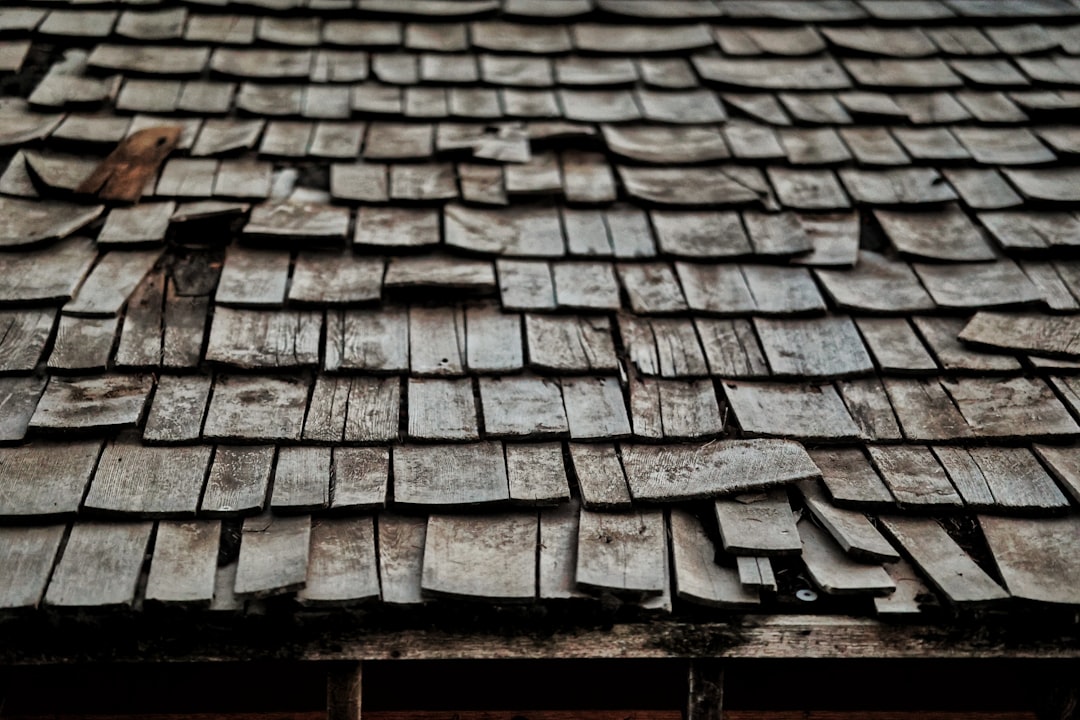
Explore Tile RoofingWood roofing offers a natural appearance but may require more maintenance and can be subject to local building or fire regulations.
Explore Wood RoofingSlate can be extremely durable but is heavier and typically requires specialized installation.
Explore Slate RoofingLow-slope roofing systems may use materials such as:
Explore Flat Roofing SystemsRoof lifespan varies significantly.
Factors include:
Avoid assuming that every roof will last exactly the manufacturer’s advertised number of years. Actual performance depends on the complete roofing system and environmental conditions.
Learn About Roof LifespanMany residential roofing projects may be completed relatively quickly, but timelines vary.
Factors include:
More complicated roofing systems can require substantially longer.
Learn About Roofing Project TimelinesRoof design and materials can influence heat transfer and attic conditions.
Considerations may include:
No single roofing material is automatically the most energy efficient in every climate.
Explore Energy-Efficient RoofingSevere weather can damage a roof suddenly. Potential causes include high winds, hail, falling branches, tornadoes, heavy rain, snow and ice, and flying debris.
After significant weather:
Look for missing roofing material, debris, damaged gutters, loose flashing, and visible impact damage.
Inspect attics, ceilings, and walls for moisture or water staining.
Take photographs when safe to do so.
Wet, damaged, steep, or unstable roofs can be hazardous.
Hidden storm damage may not always be visible from ground level.
Some situations require more immediate attention.
Possible roofing emergencies include:
When possible:
Protect occupants first.
Move belongings away from active leaks.
Avoid standing water near electricity.
Do not climb onto an unsafe roof.
Use temporary interior containment when appropriate.
Contact qualified help.
Your roof does not necessarily need constant attention—but it should not be ignored. A basic maintenance plan may include:
Look for damaged, displaced, curling, cracked, or missing materials.
Check around chimneys, walls, valleys, skylights, and vents.
Clogged or damaged gutters can contribute to water-management problems.
Look for water stains, moisture, mold, light penetration, and ventilation problems.
Attic ventilation helps manage heat and moisture beneath the roof.
Branches can scrape surfaces or fall during storms, so manage overhanging trees. Also watch for moss and algae, which can signal moisture conditions.
Roofing is not only about the material you see from outside. A roof is a system of layers and details that work together.
Shingles, metal, tile, or another visible roofing surface.
A water-management layer installed beneath the roof covering.
The structural sheathing that supports the roofing system.
Metal or membrane details that direct water away from joints and penetrations.
Intake and exhaust paths that help manage attic heat and moisture.
Channels that carry water away from roof edges, fascia, siding, and foundations.
Attic ventilation plays an important role in managing heat and moisture. A properly designed system may help:
Ventilation requirements vary depending on roof design, climate, insulation, and local building codes.
Learn About Roof VentilationGutters help move rainwater away from:
Watch for:
Roof and gutter systems should work together to manage water.
Explore Gutter MaintenanceSome basic roofing observations and maintenance tasks can be performed by homeowners. Roof work itself, however, carries meaningful fall and injury risk.
Avoid climbing onto a roof unless you have the appropriate training, equipment, and conditions to do so safely.
Roofing prices vary significantly. Factors may include:
Other factors:
A roofing estimate should be evaluated based on scope, not price alone.
When comparing proposals, look for details such as:
A vague estimate can make meaningful comparison difficult.
Read Our Roofing Estimate GuideHiring the right contractor can be as important as choosing the roofing material.
Consider asking:
Use extra caution when a contractor:
Price matters. But roofing quality, installation, communication, and accountability matter too.
Roofing projects may involve more than one type of warranty. Understand both before signing a roofing contract.
Generally relates to roofing materials.
Generally relates to installation performed by the contractor.
Coverage, exclusions, transferability, registration requirements, and duration can differ significantly. Always read the actual warranty documents. Do not rely solely on phrases such as “Lifetime roof.” Ask what “lifetime” specifically means under the warranty terms.
A typical project may involve:
Protect landscaping, siding, windows, and surrounding areas.
Existing material may be removed when required.
The underlying roof deck is evaluated.
Damaged areas may be replaced.
Required water-management layers are installed.
The selected roofing system is installed.
Critical details are completed.
Debris, nails, and discarded material are removed.
The completed work should be reviewed.
Free Homeowner Roof Inspection & Contractor Checklist
Download our Homeowner Roof Inspection & Contractor Checklist.
Use it to evaluate:
Get the Free Roofing Checklist
Enter your email to receive the checklist and occasional homeowner roofing tips. You may unsubscribe at any time.
Not necessarily. A leak can result from localized flashing, penetration, shingle, or installation problems. The overall condition of the roof should be evaluated.
Inspection frequency depends on roof age, material, climate, storms, surrounding trees, and prior problems. It is also wise to check a roof after significant weather events.
Sometimes building codes and roof conditions permit an overlay, but tear-off may offer advantages by allowing the underlying decking to be inspected. Requirements vary.
There is no universal best material. Climate, budget, architecture, structural capacity, longevity, and maintenance should all be considered.
Compare equivalent scopes of work rather than total price alone. Materials, removal, underlayment, flashing, ventilation, permits, warranties, cleanup, and decking terms should be considered.
Many homeowners remain home, although roofing work can be noisy and disruptive. Discuss access, vehicles, pets, children, and property preparation with the contractor beforehand.
Practical Information for Protecting the Roof Over Your Head
Explore our latest articles covering:
You’re standing in your Montgomery Ridge home, the sun streaming through a skylight, and you notice it. A small, almost imperceptible damp…
Read ArticleWhen you’re a homeowner in Montgomery Ridge, Allen, Texas, the prospect of roof repairs or replacement can feel daunting. You’re likely wondering…
Read ArticleYou’re a homeowner in Montgomery Ridge, Allen, TX, and you’ve just experienced a hailstorm. The aftermath can be unsettling, and the thought…
Read ArticleYou’re considering a new roof for your property in Montgomery Ridge, Allen, Texas, and asphalt shingles are on your mind. This guide…
Read ArticleYou’re standing in your living room, or perhaps it’s another area of your home in Montgomery Ridge, Allen, TX, and you notice…
Read ArticleYou’re staring up at your roof right now, aren’t you? Maybe it’s a nagging feeling, a specific shingle that’s come loose, or…
Read ArticleYour home in Montgomery Ridge, Allen, TX, is a significant investment, and its roof plays a crucial role in protecting that investment.…
Read ArticleWhen considering significant home improvements, especially those concerning the integrity and protection of your property, the importance of selecting qualified professionals cannot…
Read ArticleThe aftermath of a severe storm can leave you surveying your property, and for homeowners in Montgomery Ridge, Allen, TX, the roof…
Read ArticleWhen you’re a homeowner in Montgomery Ridge, Allen, Texas, your roof isn’t just a protective covering; it’s a significant investment and a…
Read Article