
When disaster strikes your Heritage Ranch home in McKinney, Texas, and your roof bears the brunt of it, navigating the insurance claim process can feel like a daunting undertaking. This guide is designed to equip you with the knowledge and understanding needed to approach your insurance claim for roofing damage in Heritage Ranch, McKinney, TX, with confidence and clarity.
Your homeowner’s insurance policy is your primary tool in recovering from roofing damage. It’s crucial to understand its intricacies to ensure you receive the compensation you deserve.
Policy Types and Coverage
Actual Cash Value (ACV) vs. Replacement Cost Value (RCV)
Your policy will likely stipulate either Actual Cash Value (ACV) or Replacement Cost Value (RCV) for dwelling coverage, which includes your roof. Understanding the difference is paramount.
Actual Cash Value (ACV)
ACV coverage pays for the cost to repair or replace your damaged roof, minus depreciation. Depreciation accounts for the age and wear-and-tear of your existing roof. For example, if your 10-year-old asphalt shingle roof is damaged and the expected lifespan was 20 years, depreciation would reduce the payout by 50% of the material cost. This means you’ll be responsible for the difference between the depreciated value and the cost of a new roof.
Replacement Cost Value (RCV)
RCV coverage, on the other hand, will pay you the amount it costs to replace your damaged roof with a new one of similar kind and quality, without deducting for depreciation. This is generally the more favorable option as it ensures you can afford to restore your roof to its pre-loss condition without significant out-of-pocket expenses for the materials and labor themselves. However, many policies offer RCV with a “two-phase” payment. You’ll initially receive the ACV amount, and then the remainder (the depreciated portion) will be paid out after you’ve completed the repairs and provided proof of payment to the insurance company.
Named Perils vs. All-Risk Policies
Your policy might be structured as “named perils” or “all-risk.”
Named Perils
A named perils policy only covers damage caused by specific events listed in the policy. Common named perils for roofing damage include windstorms, hail, fire, and lightning. If the damage to your roof in Heritage Ranch occurred due to an event not explicitly listed, your claim may be denied.
All-Risk Policies
An all-risk policy, also known as an open perils policy, covers damage from any cause unless specifically excluded. Exclusions often include things like poor maintenance, wear and tear, insect or rodent damage, and acts of war. While broader, it’s still essential to read the exclusions carefully.
Deductibles
Your deductible is the amount you are responsible for paying out-of-pocket before your insurance coverage begins. Your policy will clearly state your deductible amount. It’s vital to factor this into your financial planning for the roof repair. Some policies, particularly in areas prone to severe weather, may have separate deductibles for wind and hail damage, which can be a percentage of your home’s coverage limit rather than a fixed dollar amount.
Policy Exclusions and Limitations
Thoroughly review your policy for any exclusions or limitations that might affect your roofing claim. Common exclusions related to roofs include:
- Wear and Tear/Deterioration: If your roof is old and has reached the end of its lifespan, insurance companies may argue that the damage is due to age rather than a sudden event, leading to claim denial.
- Lack of Maintenance: Failure to perform necessary maintenance (e.g., clearing gutters, addressing minor leaks promptly) can weaken your roof and make it more susceptible to damage. Insurers may deny claims if they believe the damage resulted from neglected upkeep.
- Faulty Workmanship: If the original roof installation was flawed, and this contributes to the damage, the insurer might not cover it, suggesting that the issue is with the contractor, not the covered peril.
- Flood Damage: Standard homeowner’s insurance policies do not cover flood damage. If your roof damage was caused by or exacerbated by flooding, you would need a separate flood insurance policy.
- Exterior Water Intrusion (if not related to a covered peril): For example, if standing water on your roof eventually leaks in due to clogged gutters (neglect), it might not be covered. However, if a severe windstorm rips shingles off, allowing rain to enter, that ingress is generally covered.
If you’re looking for more information on roofing services and insurance claims, you might find this article helpful: Residential Roofing Services. It provides insights into various roofing options and the claims process, which can be particularly beneficial for homeowners in Heritage Ranch, McKinney, TX, dealing with roofing issues and insurance-related concerns.
The Roofing Insurance Claim Process in Heritage Ranch
Once you’ve identified damage to your Heritage Ranch roof, initiating the insurance claim process requires a systematic approach.
Initial Steps After Discovering Damage
Document Everything
The first and most critical step is to document the damage thoroughly.
Taking Photos and Videos
As soon as you notice any signs of damage, whether it’s after a storm or a gradual discovery of a leak, start taking detailed photos and videos. Capture the overall condition of the roof, close-ups of damaged shingles or other components, and any interior water damage, including stains on ceilings or walls, dripping water, and damaged belongings. Ensure good lighting and clear focus. Take pictures from various angles and distances.
Creating a Log of Events
Keep a detailed log of all communications, observations, and actions taken. This includes dates and times of the storm, when you first noticed the damage, any temporary repairs you made, and every interaction with your insurance company.
Contacting Your Insurance Company
Filing Your Claim Promptly
Once you have documented the damage, contact your insurance company to report the loss and initiate the claim. Most insurers have a dedicated claims department or a specific number to call.
Understanding Claim Numbers and Adjusters
You will be assigned a claim number, which you should use in all future communications. The insurance company will then assign an adjuster to your case. This adjuster’s role is to assess the damage and determine the payout based on your policy.
Temporary Repairs and Mitigation
Protecting Your Property
If the damage poses a risk of further harm to your home, you are typically obligated by your policy to take reasonable steps to mitigate further damage.
Securing Loose Shingles or Tarps
You may need to hire a roofer for temporary repairs, such as tarping exposed areas to prevent further water intrusion. Keep receipts for any such emergency repairs, as these costs are often reimbursable by your insurance company. However, it’s usually advisable to get pre-approval from your insurer, or at least inform them, before incurring significant temporary repair costs.
Working with an Insurance Adjuster
The Initial Inspection
The insurance adjuster will likely schedule an inspection of your roof and any interior damage. Be present during this inspection if possible, or have a trusted representative there.
What to Expect During the Inspection
The adjuster will examine the extent of the damage, assess the age and condition of your roof, and compare it to your policy terms. They may use specialized tools, take measurements, and consult with a roofing expert if necessary. Be prepared to provide them with any documentation you have gathered, such as photos, videos, and maintenance records.
Communicating Effectively
Maintain a professional and clear line of communication with your adjuster. Ask questions, clarify any points you don’t understand, and ensure you are both on the same page regarding the findings.
Assessing Your Roofing Damage Accurately
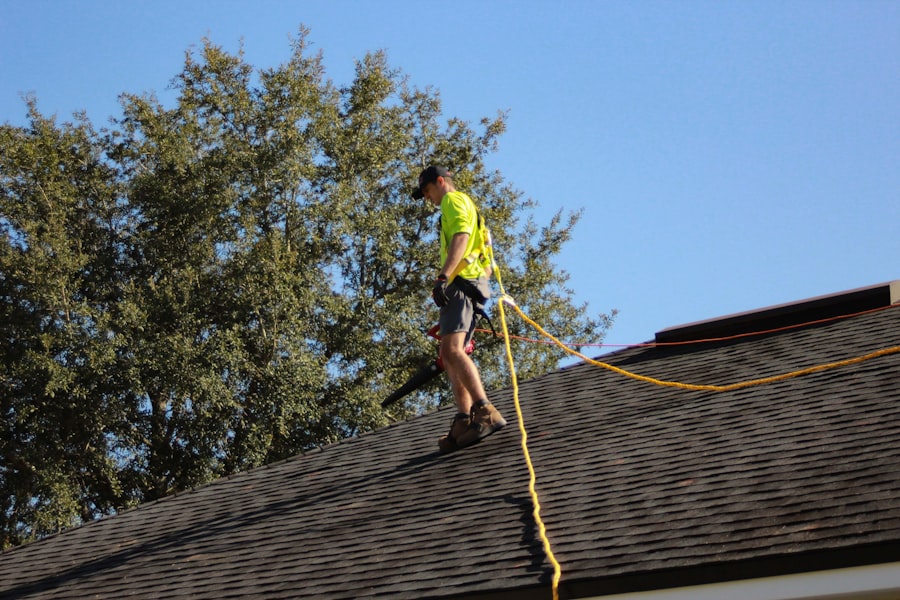
A thorough and accurate assessment of the damage is fundamental to a successful insurance claim. This involves more than just a cursory glance at the shingles.
Identifying the Cause of Damage
Wind Damage

Wind damage can manifest in various ways, from loose or missing shingles to more severe structural compromise.
Lifted and Cracked Shingles
High winds can lift shingles, causing them to crack, tear, or become detached entirely. Look for shingles that are cupped, buckled, or have lost their protective granules, which will often appear in your gutters or downspouts.
Stripped Shingles and Debris Impact
Strong gusts can strip shingles off your roof, exposing the underlayment or decking. Debris carried by the wind, such as tree branches, can also cause impact damage, creating punctures or cracks.
Hail Damage
Hail can be deceptive, sometimes causing only minor cosmetic damage that can lead to significant problems down the line.
Bruising and Granule Loss
Hailstones, depending on their size and impact force, can create small dents or bruises on the asphalt shingles. This bruising can compromise the integrity of the shingle and lead to premature granule loss, making the asphalt layer more vulnerable to UV rays and weathering.
Fractured Shingles
Larger hailstones can cause shingles to fracture or even break entirely, leaving openings for water to penetrate. Even if the damage appears minor, repeated hail events can significantly shorten the lifespan of your roof.
Other Causes of Damage
Water Intrusion and Leaks
Water is a roof’s nemesis. Understanding how it infiltrates your home is key.
Punctures and Cracks
Beyond storm-related damage, punctures from falling debris or cracks from extreme temperature fluctuations can allow water to seep in.
Damaged Flashing and Sealants
The flashing around chimneys, vents, and skylights, as well as the sealant used to create waterproof barriers, can degrade over time or be damaged by weather. Compromised flashing is a common entry point for water, leading to rot in the underlying structures.
Identifying Hidden Damage
Attic Inspections
Damage isn’t always visible from the ground. Your attic can provide crucial evidence.
Soffit and Rafter Damage
Inspect your attic for signs of moisture, such as dark stains, mold growth, or warped wood on your rafters or soffits. Damp insulation or water drips in the attic are clear indicators of a roof leak.
Sheathing Degradation
In severe cases, water intrusion can lead to the degradation of the roof sheathing (the wooden boards beneath the shingles). This can weaken the structural integrity of your roof.
Exterior Components
Navigating the Insurance Claim Resolution in Heritage Ranch
| Insurance Claim | Roofing | Heritage Ranch | Mckinney Tx |
|---|---|---|---|
| Number of Claims | Roofing Material | Heritage Ranch Location | Mckinney Tx Location |
| Claim Process Time | Roofing Inspection | Heritage Ranch Roofing Projects | Mckinney Tx Roofing Projects |
| Claim Approval Rate | Roofing Repair Cost | Heritage Ranch Roofing Contractors | Mckinney Tx Roofing Contractors |
Once the adjuster has completed their assessment, the claim moves towards resolution. This stage requires vigilance and understanding.
Reviewing the Adjuster’s Report and Estimate
Understanding the Scope of Work
The adjuster’s report and estimate will detail their findings and the proposed cost of repairs. Carefully review this document.
Scrutinizing the Materials and Labor Costs
Pay close attention to the type and quantity of materials specified, the estimated labor costs, and any deductions for depreciation. Ensure the repair recommendations align with industry standards and your policy coverage.
Negotiation and Contesting Estimates
When Estimates Don’t Align
It’s not uncommon for the insurance company’s estimate to differ from what you believe is necessary for a proper repair.
Obtaining a Second Opinion
If you have concerns about the adjuster’s assessment, consider obtaining your own estimate from a reputable, licensed, and insured roofing contractor in Heritage Ranch. This contractor should be experienced in working with insurance claims.
Presenting Your Case
Armed with your contractor’s estimate and your documentation, you can enter into negotiations with the insurance company. Clearly articulate your reasons for disagreeing with their assessment, referencing your policy terms and photographic evidence.
Understanding Policy Limitations and Depreciation
The Depreciation Factor
As mentioned earlier, if you have an ACV policy, depreciation will be deducted. Understand how this is calculated.
Recovering the Depreciated Amount
If you have an RCV policy, remember that you are entitled to the depreciated amount once you’ve completed the repairs and provided proof of expenditure. Don’t forget to follow up on this aspect of your claim.
Settlement and Final Payment
Receiving the Settlement Check
Once an agreement is reached, you will receive a settlement check. This may be a single payment or multiple payments.
Endorsements and Payees
Be aware that insurance checks can sometimes be made out to you and your mortgage company. You will need to coordinate with your lender to have the check endorsed for repairs.
Completing Repairs and Finalizing the Claim
Contractor Selection and Oversight
Choose a qualified roofing contractor for the repairs. Ensure they are licensed, insured, and have good reviews. Obtain a detailed written contract outlining the scope of work, materials, warranty, and payment schedule.
Submitting Proof of Repair
After the work is completed, you will need to provide proof of repair to your insurance company, such as paid invoices and final lien waivers from the contractor. This is particularly important for recovering the depreciated amount on an RCV policy.
If you’re considering enhancements for your roofing project in Heritage Ranch, McKinney, TX, you might find it beneficial to explore various options that can improve both aesthetics and functionality. For instance, adding features like skylights or dormers can significantly enhance your home’s appeal while potentially increasing its value. To learn more about these enhancements and how they can complement your roofing needs, check out this informative article on roofing enhancements.
Hiring a Reputable Roofing Contractor in Heritage Ranch
The contractor you choose can significantly impact the outcome of your repairs and your overall experience with the claim.
Vetting Potential Contractors
Licensing and Insurance Verification
Always ensure any contractor you consider is properly licensed by the State of Texas and carries general liability insurance and worker’s compensation insurance. Ask for proof of these and verify them independently.
Reputation and Reviews
Research potential contractors by checking online reviews, asking for references from past clients in Heritage Ranch, and inquiring about their experience with insurance claims.
Experience with Insurance Claims
Understanding the Claims Process
A contractor experienced in working with insurance companies will understand the complexities of the claims process.
Communicating with Your Insurer
They can often assist in communicating with your insurance adjuster, providing detailed estimates and justifications for the work needed, which can streamline the process.
Navigating Estimates and Scope of Work
An experienced contractor can help you interpret the insurance company’s estimate and ensure that the scope of work agreed upon is comprehensive enough to address all the damage and restore your roof to its pre-loss condition.
Contractual Agreements
Clear and Detailed Contracts
A good roofing contractor will provide a clear, written contract that details everything from the scope of work and materials to the timeline and warranty.
Payment Schedules and Warranties
Understand the payment schedule, including any required deposits and final payment terms. Inquire about the contractor’s warranty on their workmanship and the materials they use.
If you’re looking for insights on managing insurance claims for roofing repairs in Heritage Ranch, McKinney, TX, you might find it helpful to read a related article that discusses the best practices for navigating the claims process. Understanding how to effectively communicate with your insurance provider can make a significant difference in the outcome of your claim. For more information on roofing contractors and their services, check out this informative piece on roofing contractors in Honolulu, Hawaii, which also touches on insurance-related topics.
Common Pitfalls to Avoid in Your Roofing Claim
Being aware of potential pitfalls can save you time, money, and frustration.
Underestimating the Damage
Not Documenting Thoroughly
As emphasized earlier, insufficient documentation is a primary reason for claim disputes. Every piece of evidence matters.
Failing to Inspect the Attic
Many homeowners overlook the importance of inspecting their attic for hidden water damage, which can be a critical part of your claim.
Rushing the Process
Accepting the First Offer Too Quickly
Insurance companies may present an initial offer that is lower than what you are entitled to. Resist the urge to accept it immediately without thorough review and potential negotiation.
Not Getting a Second Opinion
If you are unsure about the adjuster’s assessment or estimate, not seeking a second opinion from a qualified roofing professional is a significant misstep.
Communication Breakdowns
Not Keeping Records of Communications
Failing to keep a detailed log of all interactions with your insurance company and adjuster can lead to misunderstandings and lost information.
Not Asking Questions
If something is unclear, don’t hesitate to ask for clarification. Silence can be interpreted as agreement.
Unauthorized Repairs
Performing Major Repairs Before Approval
In some cases, making extensive repairs before the insurance company has officially approved the scope of work can jeopardize your claim. Always communicate with your insurer about proposed repairs.
Non-Compliance with Policy Terms
Neglecting Maintenance Responsibilities
While your insurer should cover damage from covered perils, they may deny claims if your roof was in a state of disrepair due to neglect.
Dealing with Unscrupulous Contractors
Hiring Unlicensed or Uninsured Professionals
This can leave you liable for damages and worker injuries, and their work may not be up to code, leading to future problems.
By understanding your policy, documenting everything meticulously, collaborating effectively with your insurance company, and hiring a reputable contractor, you can navigate the insurance claim process for your Heritage Ranch roofing damage with greater success, ultimately restoring your home to its pre-loss condition.
FAQs
What is an insurance claim for roofing?
An insurance claim for roofing is a request made by a homeowner to their insurance company for coverage of damages to their roof. This can include damage from storms, hail, wind, or other natural disasters.
How do I file an insurance claim for roofing in Heritage Ranch, McKinney, TX?
To file an insurance claim for roofing in Heritage Ranch, McKinney, TX, you should first document the damage with photos and then contact your insurance company to start the claims process. It’s also recommended to consult with a reputable roofing contractor who can assist with the claim and repairs.
What should I expect during the insurance claim process for roofing?
During the insurance claim process for roofing, an adjuster from the insurance company will typically visit your property to assess the damage. They will then determine the coverage and payout for the repairs or replacement of the roof.
What are the common reasons for insurance claims for roofing in Heritage Ranch, McKinney, TX?
Common reasons for insurance claims for roofing in Heritage Ranch, McKinney, TX include damage from severe weather such as hail, wind, and storms. Additionally, aging roofs or wear and tear can also lead to insurance claims for roofing.
How can I ensure a successful insurance claim for roofing in Heritage Ranch, McKinney, TX?
To ensure a successful insurance claim for roofing in Heritage Ranch, McKinney, TX, it’s important to document the damage thoroughly with photos, work with a reputable roofing contractor, and provide all necessary documentation and information to your insurance company in a timely manner.