
You’re considering a new roof for your home in Peoria, Arizona, and metal is on your mind. This is a practical choice, especially given the unique climate challenges of the Sonoran Desert. From the intense summer sun to infrequent but potentially powerful monsoon storms, your roof bears a significant brunt. Metal roofing offers distinct advantages that make it a compelling option for homeowners in this region. It’s not a decision without its considerations, however, and understanding the specifics of metal roofing installation in Peoria is crucial to making an informed choice. This guide will walk you through the process, from initial decision-making to the final installation, focusing on what you need to know as a homeowner in this specific locale.
Understanding Metal Roofing Styles and Materials
When you think of metal roofing, you might picture repetitive corrugated panels. While that’s one option, the landscape of metal roofing has expanded considerably. For your Peoria home, you’ll encounter various styles and materials, each with its own aesthetic appeal and performance characteristics. The key is to match the material and style to your home’s architecture, your aesthetic preferences, and your budget.
Standing Seam Metal Roofing
This is arguably the most popular and aesthetically pleasing option for residential metal roofing. Standing seam panels feature vertical seams that rise above the flat of the panel, interlocking to create a watertight seal.
Benefits of Standing Seam
- Sleek Appearance: Standing seam roofs offer a clean, modern look that can complement a wide range of architectural styles, from contemporary to Ranch homes prevalent in Peoria.
- Exceptional Durability: The interlocking seams provide superior protection against wind and water intrusion, a critical factor during monsoon season.
- Longevity: When installed correctly with quality materials, standing seam roofs can last 50 years or more, often outperforming traditional asphalt shingles significantly.
- Energy Efficiency: Many standing seam panels are coated with reflective finishes that can significantly reduce heat absorption, lowering cooling costs in the Arizona heat. You can often find Energy Star certified options.
Potential Drawbacks of Standing Seam
- Higher Initial Cost: Compared to asphalt shingles, standing seam metal roofing generally has a higher upfront investment.
- Installation Complexity: Proper installation is paramount. This style requires specialized tools and experienced installers to ensure the seams are properly sealed and the panels are fastened securely.
Metal Shingles and Shakes
If you prefer the look of traditional roofing materials but want the durability of metal, metal shingles and shakes are an excellent alternative. These are designed to mimic the appearance of asphalt shingles, wood shakes, or slate tiles.
Aesthetic Versatility
- Mimicking Traditional Materials: You can achieve the look of natural materials without the associated maintenance and lifespan limitations. This can be beneficial if you’re trying to match existing neighborhood aesthetics or prefer a more classic appearance for your Peoria home.
- Variety of Profiles: These come in a wide array of profiles, colors, and finishes, offering significant design flexibility.
Performance Considerations
- Good Durability: While they might not boast the same seam integrity as standing seam, they offer substantial protection and longevity compared to asphalt.
- Ease of Installation (Relatively): They are generally easier to install than standing seam, potentially leading to slightly lower labor costs, though still requiring specialized knowledge for metal.
Corrugated Metal Roofing
Often seen on agricultural buildings or modern industrial designs, corrugated metal is a more utilitarian option. It features a wavy, ribbed profile.
Cost-Effectiveness
- Lower Material Costs: Corrugated metal is typically the most affordable metal roofing option in terms of material price.
- Simpler Installation: The panels are generally larger and install more quickly, which can also reduce labor expenses.
Aesthetic and Practical Limitations
- Industrial Appearance: The aesthetic is less suited for many traditional residential applications in Peoria.
- Noise Transmission: Without proper insulation, rain and hail can be significantly louder on corrugated metal compared to other metal roofing types.
- Fastener Heads Exposed: Unlike standing seam, fasteners are typically exposed, which can be a point of potential leaks over time if not properly sealed and maintained, especially in a dusty environment.
Metal Materials to Consider
The type of metal used for your roofing will significantly impact its durability, appearance, and cost.
Aluminum
- Corrosion Resistance: Aluminum is highly resistant to rust and corrosion, making it a good choice for coastal areas, though less of a primary concern in inland Peoria. However, its lightweight nature is an advantage.
- Energy Reflectivity: It often comes with reflective coatings that help bounce sunlight away.
- Cost: Generally more expensive than galvanized steel.
Steel (Galvanized and Galvalume)
- Galvanized Steel: Steel that has been coated with zinc for protection against corrosion. It’s a common and relatively affordable option.
- Galvalume Steel: A coating of aluminum and zinc, offering superior corrosion resistance compared to galvanized steel, especially in harsh environments. This is often a preferred choice for its balance of cost and protection in Arizona.
- Strength and Durability: Steel offers excellent strength and impact resistance.
Copper
- Longevity and Patina: Copper is exceptionally durable and will develop a distinctive green patina over time. It’s often chosen for historical renovations or high-end custom homes.
- High Cost: Copper is the most expensive metal roofing material.
- Aesthetic Niches: Its unique appearance is not for every home.
Zinc
- Durability and Natural Patina: Similar to copper, zinc is durable and develops a bluish-grey patina. It’s known for its longevity.
- Cost: Generally falls between steel and copper in terms of price.
- Sophisticated Look: Offers a subtle, sophisticated aesthetic.
If you’re considering metal roofing installation in Peoria, Arizona, it’s essential to understand the various factors that can influence your decision, including local climate and contractor expertise. For a broader perspective on roofing options and to find reliable contractors, you might want to check out this informative article on roofing contractors in Fresno, California. It provides valuable insights that can help you make an informed choice for your roofing needs. You can read the article here: Roofing Contractors in Fresno, California.
The Metal Roofing Installation Process in Peoria
Understanding the steps involved in installing a metal roof on your Peoria home can help you manage expectations and ensure a smooth process. It’s essential to partner with a reputable contractor experienced in metal roofing specifically in the Arizona climate.
Site Preparation and Old Roof Removal
The process begins with preparing your property and, if applicable, removing your existing roofing material.
Initial Inspection and Assessment
Your chosen contractor will conduct a thorough inspection of your current roof structure.
Structural Integrity Check
- Decking Condition: They will assess the condition of your roof decking (plywood or OSB). Any rotted, water-damaged, or compromised sections will need to be repaired or replaced before metal can be installed. This is particularly important in Peoria, where occasional heavy rains can cause damage if the existing roof isn’t performing.
- Rafter Strength: The underlying rafters will also be checked for any signs of sagging or weakness, ensuring they can adequately support the weight of the new metal roof. While metal itself is lighter than some materials, a properly supported structure is always critical.
Tear-Off of Existing Roofing
If your current roof is asphalt shingles or another material, it will likely need to be removed.
Materials to be Removed
- Asphalt Shingles: This is the most common scenario. The shingles, underlayment, and any old flashing will be stripped down to the roof decking.
- Other Materials: If you have less common roofing like tile or wood shakes, the removal process can be more labor-intensive and require specific expertise.
Disposal Considerations
- Waste Management: Your contractor should have a plan for the proper disposal of the old roofing materials. This often involves renting a dumpster.
- Environmental Impact: Consider if your contractor offers any recycling options for the removed materials, though this is less common for asphalt shingles.
Underlayment and Flashing Installation
Once the decking is exposed and prepared, the underlayment and flashing are installed, creating essential layers of protection.
The Role of Underlayment
Underlayment acts as a secondary barrier against water intrusion beneath the metal panels.
Types of Underlayment
- Asphalt-Saturated Felt: A traditional and cost-effective option, though its performance can degrade over time.
- Synthetic Underlayment: Lighter, more durable, and highly resistant to tears. Many modern metal roofing installations opt for synthetic underlayment for its superior performance in extreme weather conditions.
- Ice and Water Shield: In high-moisture areas or climates prone to freeze-thaw cycles (less common in Peoria but still relevant for extreme events), a self-adhering waterproof membrane is often used along eaves, valleys, and penetrations.
Precision Flashing Installation
Flashing is critical for sealing vulnerable areas where water could potentially enter.
Key Flashing Areas
- Eaves and Rakes: Where the roof edge meets the fascia and gable ends. Proper drip edge installation is vital for directing water away from the fascia.
- Valleys: The internal angles where two roof planes meet. This is a high-traffic area for water and requires meticulous sealing.
- Chimneys, Vents, and Skylights: Any penetrations through the roof require custom-fabricated flashing to ensure a watertight seal. This is especially important in Peoria with its dust and potential for debris carried by wind.
- Wall Intersections: Where the roof meets an adjoining vertical wall.
Metal Panel Installation
This is the core of the roofing process. The method of installation will vary depending on the style of metal roofing chosen.
Standing Seam Installation Techniques
For standing seam, the installation focuses on creating those interlocking, weathertight seams.
Panel Layout and Cutting
- Custom Measurement: Panels are often custom-cut to fit the specific dimensions of your roof, minimizing waste and ensuring precise coverage.
- Seam Alignment: Careful attention is paid to aligning the vertical seams perfectly for both aesthetic appeal and optimal water shedding.
Fastening Methods
- Concealed Fasteners: The hallmark of standing seam is its hidden fastener system. Clips are attached to the roof deck, and the panels then snap or lock into these clips. This protects the fasteners from the elements, preventing rust and leaks.
- Mechanical Seaming: For some standing seam systems, the seam itself is mechanically folded and crimped together, creating an exceptionally strong and watertight seal.
Metal Shingle and Shake Installation
These are installed similarly to their shingle counterparts but with specific metal roofing considerations.
Overlapping and Sealing
- Layered Application: Shingles and shakes are installed in horizontal courses, overlapping each other to prevent water penetration.
- Proper Fastener Placement: Fasteners are placed in designated areas that will be covered by the overlying row of shingles, maintaining a clean and protected surface.
Ridge and Hip Cap Installation
- Matching Trim Pieces: Special metal trim pieces are used for ridges, hips, and eaves to provide a finished look and further seal these exposed edges.
Corrugated Panel Installation
This method is more straightforward due to the nature of the panels.
Direct Fastening
- Through-Fastened Systems: Corrugated panels are typically fastened directly to the roof decking or purlins (if installed over a metal framing system) using screws. These screws have rubber washers to create a seal around the fastener head.
- Panel Overlap: Panels are designed to overlap, with the rib of one panel fitting into the trough of the next to create a seal.
Ridge Cap, Trim, and Ventilation Installation
The final stages involve sealing the edges, peaks, and ensuring proper airflow.
Ridge Cap and Hip Cap Installation
These pieces protect the highest points of your roof.
Customization and Sealing
- Matching Aesthetic: Ridge and hip caps are chosen to match the color and style of the main roofing material.
- Secure Attachment: They are securely fastened and sealed to the underlying roofing to prevent wind uplift and water intrusion.
Installation of Soffit and Fascia Trim
These exterior elements contribute to both the look and the protection of your roof system.
Edge Protection
- Aesthetic Finish: Trim pieces provide a clean, finished edge to the roofline.
- Weather Resistance: They are designed to protect the underlying roof structure from weather elements.
Ventilation Considerations for Your Peoria Home
Proper attic ventilation is crucial for a metal roof, even in a dry climate like Peoria.
Importance of Airflow
- Heat Dissipation: In the intense Arizona sun, proper ventilation helps to dissipate heat from the attic space, keeping your home cooler and reducing the load on your air conditioning system.
- Moisture Control: While less of a concern than in humid climates, some moisture can still build up in an attic, and ventilation helps to prevent condensation and potential mold growth.
- Preventing Heat Buildup: Attics can become extremely hot, and allowing that heat to escape prevents premature aging of building materials.
Types of Ventilation
- Ridge Vents: Integrated into the ridge cap, allowing hot air to escape.
- Soffit Vents: Located under the eaves, allowing fresh air to enter the attic.
- Gable Vents: On the gable ends of the house.
- Powered Vents: Less common and usually only installed if passive ventilation is insufficient.
Maintenance and Longevity of Metal Roofing in Peoria
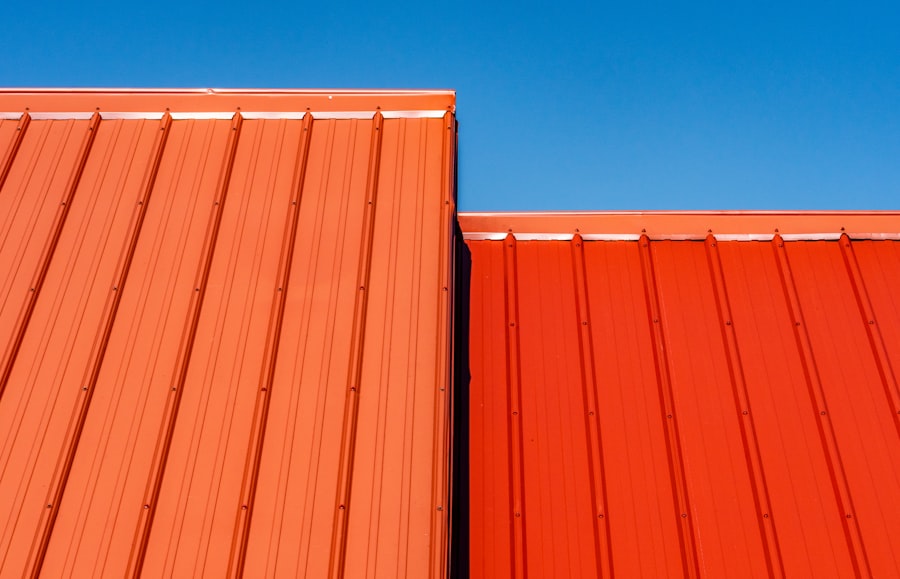
Metal roofing is celebrated for its durability, but it’s not entirely maintenance-free. Understanding what’s required to keep your metal roof in top condition in the Arizona environment will ensure you maximize its lifespan.
Routine Inspections and Cleaning
Regular checks can catch minor issues before they become significant problems.
Visual Inspections
- Frequency: Conduct visual inspections at least twice a year, and after any significant weather events (e.g., strong winds or hailstorms that can occur during monsoon season).
- What to Look For: Check for any loose panels, damaged flashing, debris accumulation, or signs of corrosion.
- Debris Removal: In Peoria, dust and pollen can accumulate. Gently remove any large debris that could trap moisture or affect the reflectivity of the coating.
Fastener Checks (if applicable)
- Tightness: For any exposed fasteners on non-standing seam roofs, ensure they remain tight and the rubber washers are intact.
Cleaning Your Metal Roof
- Gentle Approach: Most metal roofs can be cleaned with plain water and a soft brush or cloth. For stubborn dirt or stains, a mild, non-abrasive household cleaner can be used, followed by thorough rinsing.
- Avoid Harsh Chemicals: Do not use abrasive cleaners, wire brushes, or strong chemical solvents, as these can damage the protective coating of the metal.
- Moss and Algae: While not a significant issue in the dry climate of Peoria, if any growth appears, it can usually be removed with a mild detergent solution.
Addressing Minor Damage Promptly
Catching and fixing small issues early is key to preventing larger, more expensive repairs.
Loose Panels or Fasteners
- Immediate Action: If you notice any loose panels or fasteners, contact your roofing contractor immediately. Small adjustments can prevent wind damage.
Minor Scratches or Dents
- Touch-Up Paint: Small scratches on painted metal roofs can often be touched up with matching paint specifically designed for metal roofing. Ensure the area is clean and dry before applying.
- Professional Assessment: Deeper dents or significant scratches that expose the base metal should be assessed by a professional to ensure the protective coating is not compromised.
Flashing Issues
- Sealant Degradation: Over time, sealants around flashing can degrade. If you see gaps or cracks, they should be resealed by a qualified professional.
Long-Term Durability Factors in Arizona
The Arizona climate presents specific challenges and advantages for metal roofing.
The Sun’s Impact
- Heat Reflection: The intense desert sun is a significant factor. Metal roofs, especially those with reflective coatings, excel at reflecting solar radiation, which can substantially reduce your home’s cooling load. This is a major advantage over darker-colored materials.
- UV Resistance: High-quality metal roofing finishes are designed to withstand prolonged UV exposure, preventing fading and degradation.
Monsoon Season Considerations
- Wind Resistance: Metal roofs are inherently wind-resistant. Their interlocking seams and secure fastening systems can withstand higher wind speeds than many other roofing materials, which is a significant benefit during the strong winds that often accompany monsoon storms.
- Water Shedding: The smooth surface of metal allows water to shed efficiently, reducing the risk of pooling and leaks.
- Hail Impact: While metal can dent from hailstones, the structural integrity of the roof is rarely compromised. The dents are typically cosmetic. The choice of metal gauge and the type of metal (e.g., thicker steel or aluminum) can influence resistance to hail.
Dust and Sand Abrasion
- Coating Protection: The protective coatings on modern metal roofs are designed to be resistant to abrasion from wind-blown sand and dust. However, extremely long-term exposure without any cleaning could potentially wear down some coatings. Regular cleaning helps maintain the protective layer.
Choosing a Contractor for Metal Roofing Installation in Peoria

The success of your metal roofing project hinges significantly on the skill and experience of the contractor you choose. For a specialized material like metal in the demanding Arizona climate, this is even more critical.
Vetting Potential Roofing Companies
Don’t rush this decision. Take the time to thoroughly research and vet any contractor you consider.
Licensing and Insurance
- Verify Credentials: Ensure the contractor is licensed by the State of Arizona and has all the necessary local permits for work in Peoria.
- Adequate Insurance: Confirm they carry general liability insurance and workers’ compensation insurance. This protects you from financial responsibility in case of accidents or damage to your property. Request to see their certificates of insurance.
Experience with Metal Roofing
- Specialized Knowledge: Metal roofing requires different tools, techniques, and understanding than asphalt shingles. Look for contractors who specifically highlight their expertise in metal roofing installation.
- Ask About Their Experience: Inquire about the number of metal roofing projects they’ve completed, especially in the Peoria area.
Reputation and Reviews
- Online Reviews: Check reputable online review platforms (e.g., Google Reviews, Yelp) for feedback from previous clients. Look for patterns in both positive and negative reviews.
- Better Business Bureau (BBB): Review their rating and any complaints filed with the BBB.
- Ask for References: A reputable contractor will be happy to provide you with a list of past clients you can contact to ask about their experience.
Obtaining and Evaluating Bids
When you receive quotes, ensure you are comparing apples to apples.
Understanding the Scope of Work
- Detailed Proposals: Insist on detailed proposals that clearly outline all aspects of the job, including:
- Type and gauge of metal roofing material.
- Specific color and finish.
- Underlayment type.
- All flashing and trim details.
- Ventilation plan.
- Removal and disposal of old roofing.
- Cleanup procedures.
- Warranty information.
- Don’t Assume: If something is unclear, ask for clarification.
Avoiding the Lowest Bid Trap
- Quality vs. Cost: The cheapest bid is not always the best. Beware of bids that seem significantly lower than others. This could indicate an unwillingness to use quality materials, cut corners on labor, or lack proper insurance.
- Material Specifications: Ensure all bids specify the same quality and type of metal, underlayment, and flashing. A lower bid might be using inferior materials.
Warranty and Guarantees
A strong warranty is a sign of a contractor’s confidence in their work and the materials used.
Manufacturer’s Warranty
- Material Coverage: Understand the manufacturer’s warranty on the metal panels themselves, covering defects in materials and finish. Pay attention to the prorated nature of some warranties over time.
- Specifics for Arizona: Check if the manufacturer’s warranty has any exclusions or specific conditions related to high heat or UV exposure in arid climates.
Contractor’s Workmanship Warranty
- Coverage Period: This warranty covers the contractor’s labor and installation. It should cover against leaks and defects in workmanship for a specified period, typically 5-10 years or more.
- Transferability: Inquire if the workmanship warranty is transferable if you sell your home, as this can be a selling point.
When considering a metal roofing installation in Peoria, Arizona, homeowners may also want to explore various enhancements that can complement their new roof. For instance, adding skylights or dormers can significantly improve natural light and aesthetic appeal. To learn more about these enhancements and how they can work in tandem with your roofing project, check out this informative article on roofing enhancements.
The Role of Ventilation and Insulation with Metal Roofing in Peoria
| Metrics | Data |
|---|---|
| Number of Metal Roofing Installations | 200 |
| Average Installation Time | 3 days |
| Customer Satisfaction Rate | 95% |
| Number of Roofing Crews | 5 |
While metal roofing itself can be energy-efficient, its performance in your Peoria home is significantly enhanced when paired with proper ventilation and insulation. These elements work in tandem to manage heat and moisture within your attic space, directly impacting your comfort and energy bills.
Attic Ventilation: More Than Just Airflow
Ventilation in your attic is designed to create a continuous pathway for air to move through, expelling hot air and drawing in cooler air.
The Impact of the Arizona Sun
- Heat Buildup: During the scorching Peoria summers, your attic can reach extreme temperatures. Without adequate ventilation, this trapped heat radiates downwards into your living space, forcing your air conditioner to work harder, consume more energy, and potentially leading to premature wear and tear on the unit.
- Cooling Load Reduction: Effective attic ventilation can significantly reduce the heat load in your home, leading to noticeable savings on your energy bills. This is a primary benefit of well-designed ventilation with a metal roof.
Types of Ventilation Systems
- Passive Ventilation: This relies on natural convection and wind pressure.
- Soffit Vents: Located in the eaves, they allow cooler, fresh air to enter the attic. It’s crucial to have an unobstructed path for this air to move upwards.
- Ridge Vents: Installed at the peak of the roof, they allow hot, buoyant air to escape.
- Gable Vents: Located on the gable ends of the house, they can contribute to airflow but are often less effective than continuous ridge and soffit ventilation.
- Active Ventilation: These systems use fans to actively draw air out of the attic.
- Electric Attic Fans: These are powered by electricity and can be thermostatically controlled. They can be very effective but also increase your energy consumption.
- Solar-Powered Attic Fans: These are a more energy-efficient option, using solar energy to power the fan.
Ensuring Proper Airflow for Metal Roofs
- Unobstructed Pathways: It’s critical that insulation doesn’t block the airflow from soffit vents into the attic. Baffles or rafter vents are often used to create channels for air movement between the insulation and the roof decking.
- Balanced System: A balanced system of intake (soffit vents) and exhaust (ridge vents) is essential for optimal performance. The total square footage of intake vents should generally equal or exceed the total square footage of exhaust vents.
Attic Insulation: The Thermal Barrier
Insulation acts as a barrier to heat transfer, preventing heat from escaping your home in the cooler months (less of a concern in Peoria but still relevant for comfort) and, more importantly in this climate, preventing heat from entering your home from the excessively hot attic.
Types of Attic Insulation
- Fiberglass Batts/Rolls: A common and cost-effective option, installed between joists and rafters. Proper installation is key to avoid gaps.
- Blown-In Fiberglass or Cellulose: These materials are blown into the attic space, filling gaps and creating a more seamless thermal barrier. Cellulose, made from recycled paper, can offer superior R-value per inch.
- Spray Foam Insulation: Provides an excellent air seal and high R-value, but is more expensive and requires professional installation. It can be applied directly to the underside of the roof deck in some applications, creating a conditioned attic space.
The R-Value and Its Significance
- Resistance to Heat Flow: R-value measures an insulation material’s resistance to heat flow. The higher the R-value, the better the insulation.
- Arizona Recommendations: In Arizona, it’s recommended to aim for higher R-values in attics to combat intense heat. Recommendations often fall in the R-38 to R-60 range, depending on the specific climate zone within Arizona. Your roofing contractor or energy auditor can provide specific guidance for your Peoria location.
Insulation and Metal Roofing Synergy
- Reducing Heat Transfer: When combined with a reflective metal roof that repels solar radiation, good attic insulation creates a powerful defense against heat gain. The metal roof reduces the amount of heat entering the attic in the first place, and the insulation prevents that residual heat from penetrating into your living space.
- Condensation Prevention: Proper insulation, especially when paired with ventilation, helps to maintain a more stable temperature within the attic, reducing the likelihood of condensation forming on ductwork or framing members.
By understanding and prioritizing both ventilation and insulation alongside your metal roofing choice, you can create a truly energy-efficient and comfortable home in the demanding climate of Peoria, Arizona. This integrated approach ensures that your investment in a durable metal roof yields maximum benefits for your comfort and your wallet.
FAQs
What are the benefits of metal roofing installation in Peoria, Arizona?
Metal roofing in Peoria, Arizona offers several benefits, including durability, energy efficiency, and resistance to extreme weather conditions such as high winds and heavy rain. Additionally, metal roofs have a long lifespan and require minimal maintenance.
What is the average cost of metal roofing installation in Peoria, Arizona?
The cost of metal roofing installation in Peoria, Arizona can vary depending on the size of the roof, the type of metal used, and the complexity of the installation. On average, homeowners can expect to pay between $8,000 and $16,000 for a metal roof installation in the area.
What are the different types of metal roofing materials available for installation in Peoria, Arizona?
Some of the most common types of metal roofing materials available for installation in Peoria, Arizona include aluminum, steel, and copper. Each material has its own unique characteristics and benefits, so homeowners should consider their specific needs and budget when choosing a metal roofing material.
How long does it take to install a metal roof in Peoria, Arizona?
The timeline for metal roofing installation in Peoria, Arizona can vary depending on the size of the roof and the complexity of the project. On average, a professional roofing contractor can complete the installation process within a few days to a week.
Do I need to hire a professional contractor for metal roofing installation in Peoria, Arizona?
While some homeowners may attempt to install a metal roof themselves, it is highly recommended to hire a professional contractor with experience in metal roofing installation. Professional contractors have the necessary skills, tools, and knowledge to ensure a proper and efficient installation, as well as to comply with local building codes and regulations.